symptom
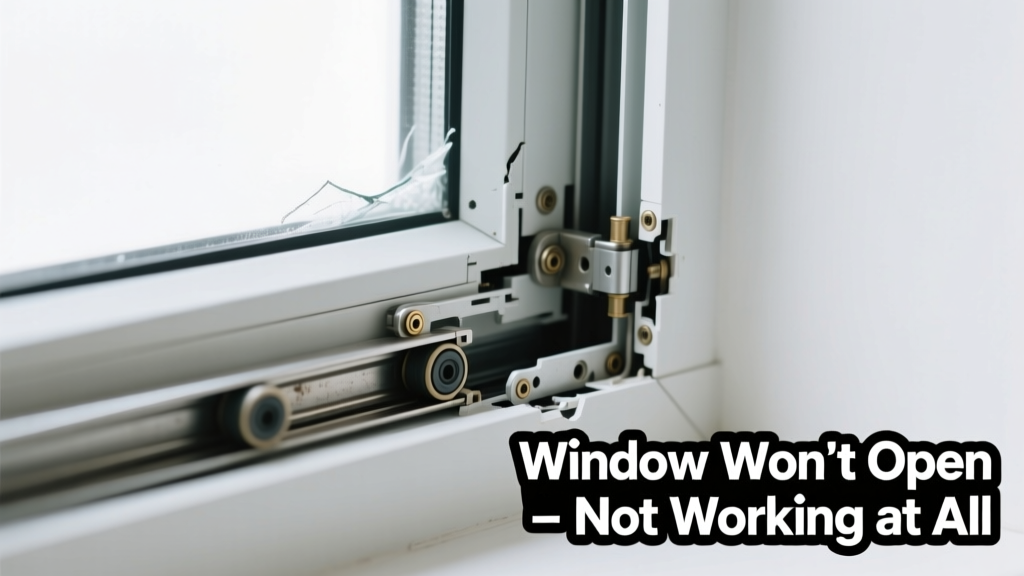
Window Won’t Open — Not Working at All: Quick Diagnosis
Learn how to pinpoint why your window is completely stuck—no movement, no give—and whether it’s safe to fix yourself. Save time and avoid costly mistakes.
Learn how to pinpoint why your window is completely stuck—no movement, no give—and whether it’s safe to fix yourself. Save time and avoid costly mistakes.
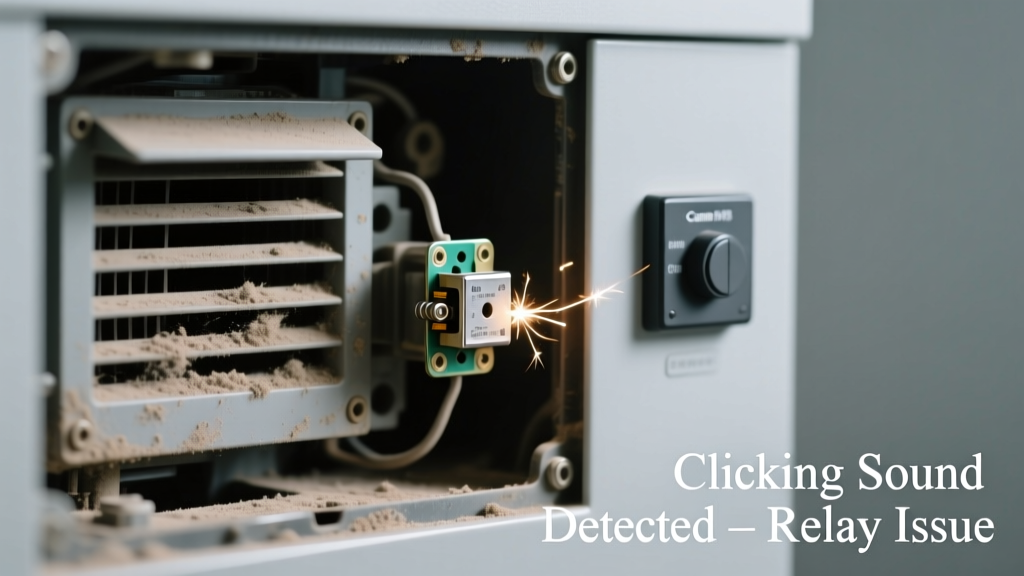
Learn how to diagnose why your furnace clicks but won’t blow air — and whether it’s safe to fix yourself. Avoid costly damage with step-by-step checks.
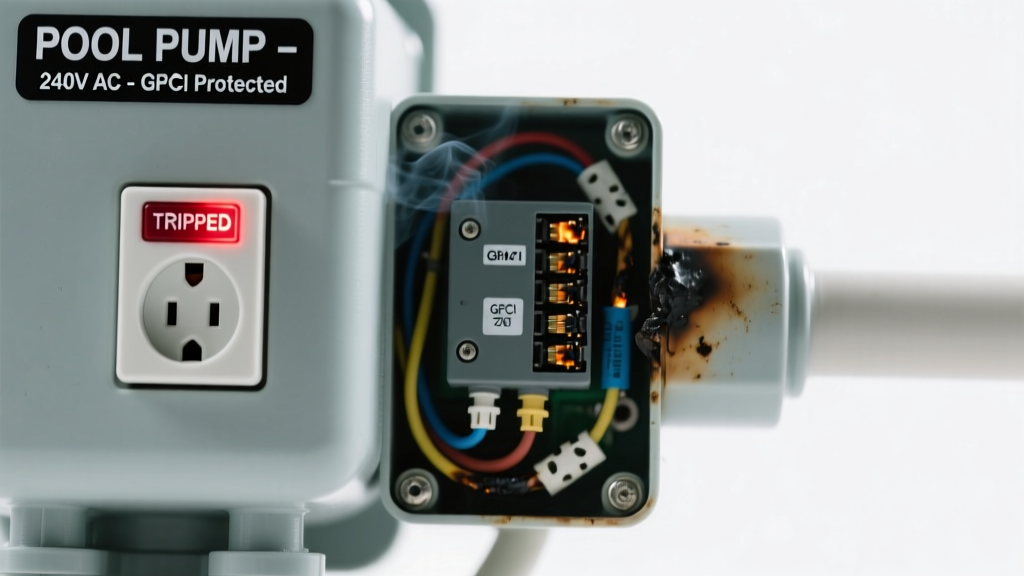
Learn how to pinpoint whether your pool pump’s GFCI tripping and bad smell signal motor failure, wiring damage, or moisture intrusion. Avoid electrocution and costly replacements.
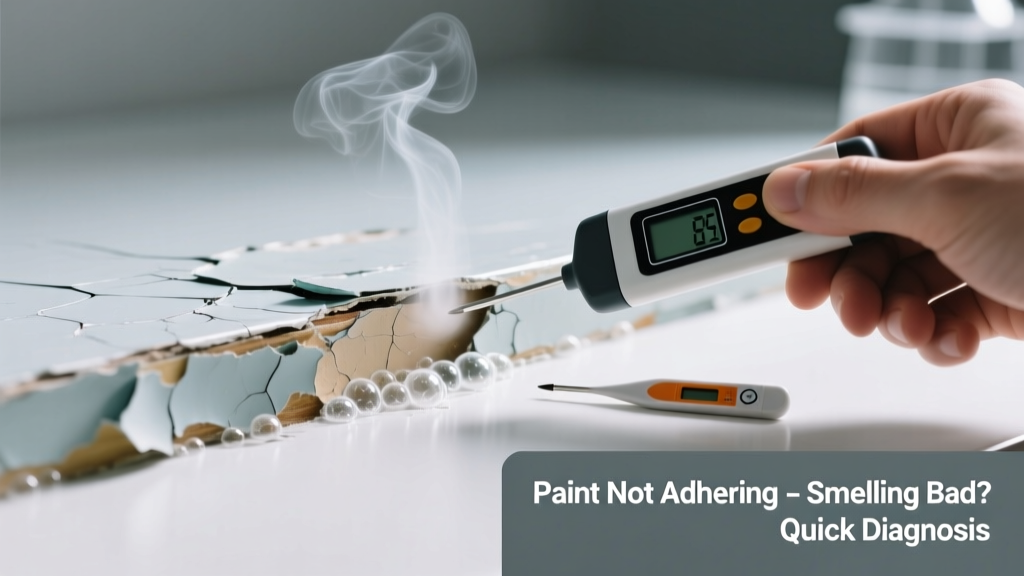
Learn how to identify whether the bad smell and poor paint adhesion stem from mold, moisture, or chemical failure. Stop further damage before it spreads.
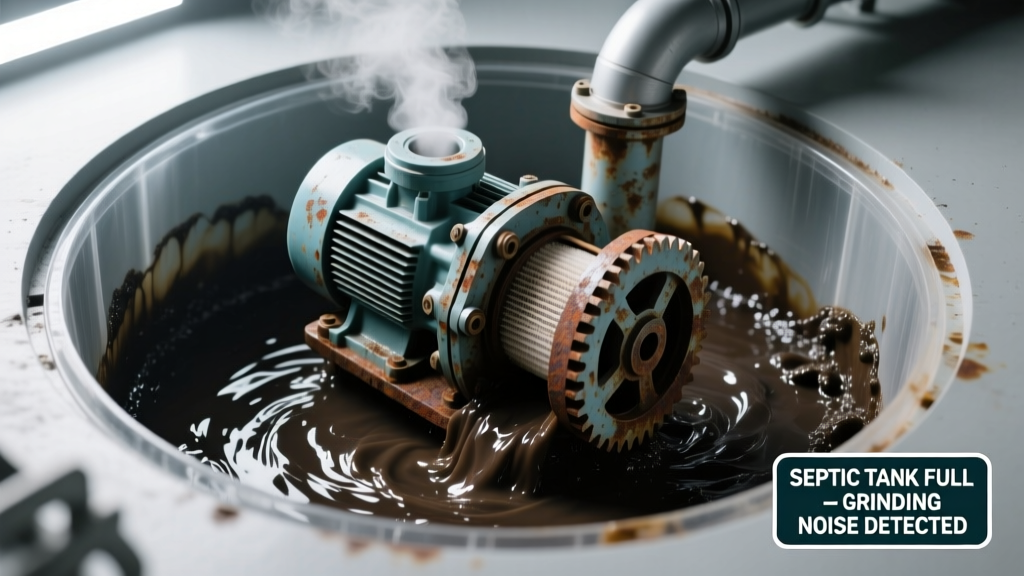
Learn how to diagnose a grinding noise from an overfull septic tank — spot the real cause fast and avoid costly damage. Read before flushing again.
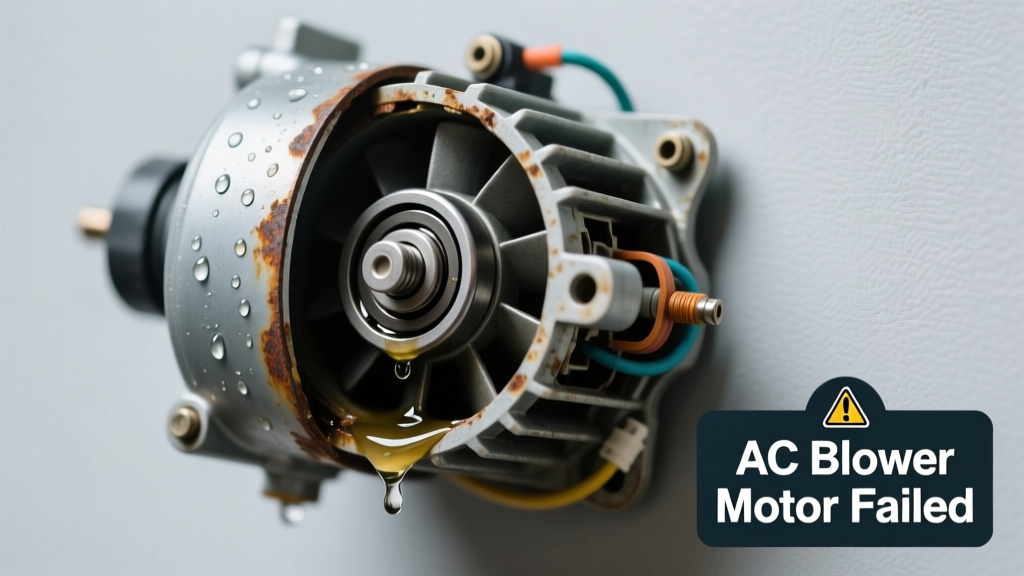
Learn how to pinpoint whether your AC blower motor failure is causing water leaks — and what to do before mold or electrical damage spreads. Read now.

Learn how to diagnose the source of clicking noises from cracked drywall — is it settling, framing stress, or moisture damage? Read before patching.
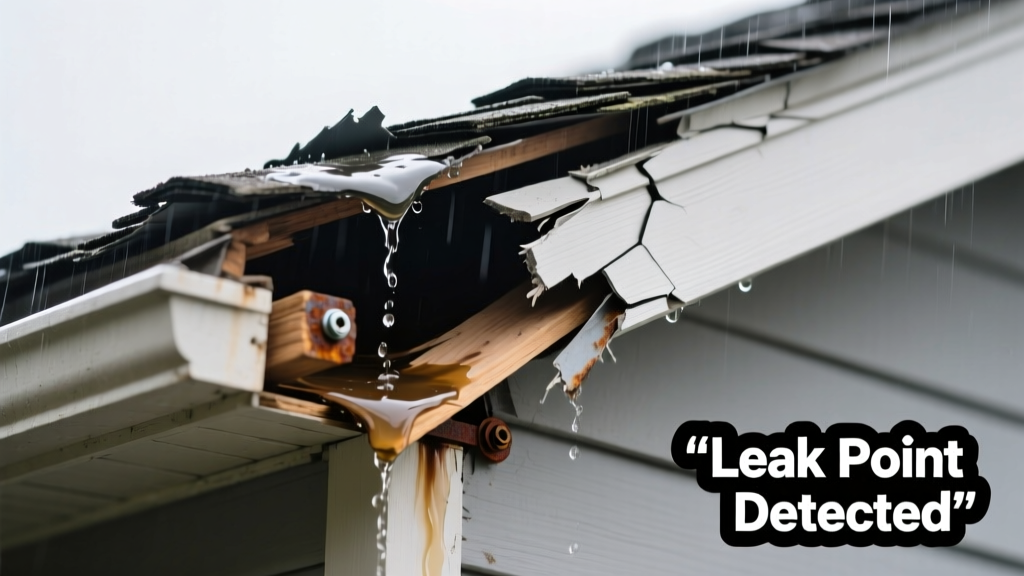
Learn how to pinpoint why your shed roof leak fix failed—and what’s really causing the water intrusion. Stop guessing and start fixing.
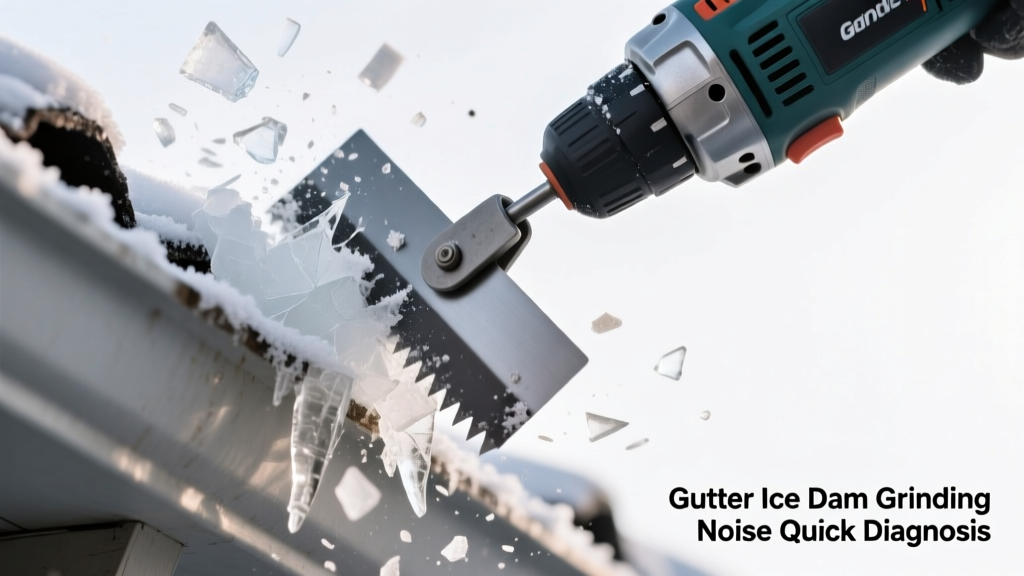
Learn how to identify why your gutter ice dam is making grinding noises—and whether it’s safe to fix yourself. Prevent roof damage before it worsens.
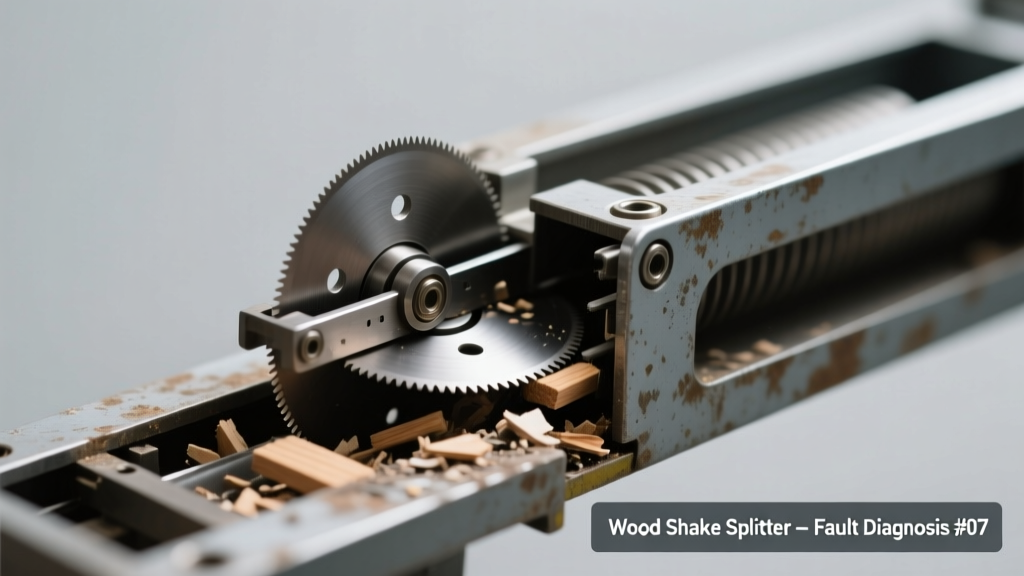
Learn how to diagnose why your wood shake splitter won’t engage or produce any splitting force. Save time and avoid costly misdiagnoses.
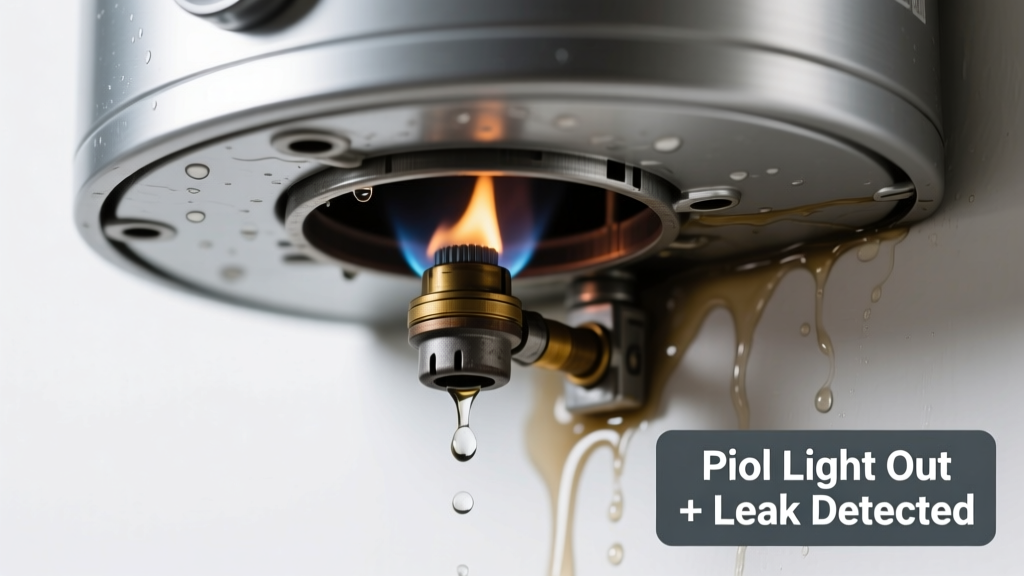
Learn how to pinpoint whether your water heater’s pilot light outage and water leak are linked — and what to do before calling a pro. Avoid costly mistakes.
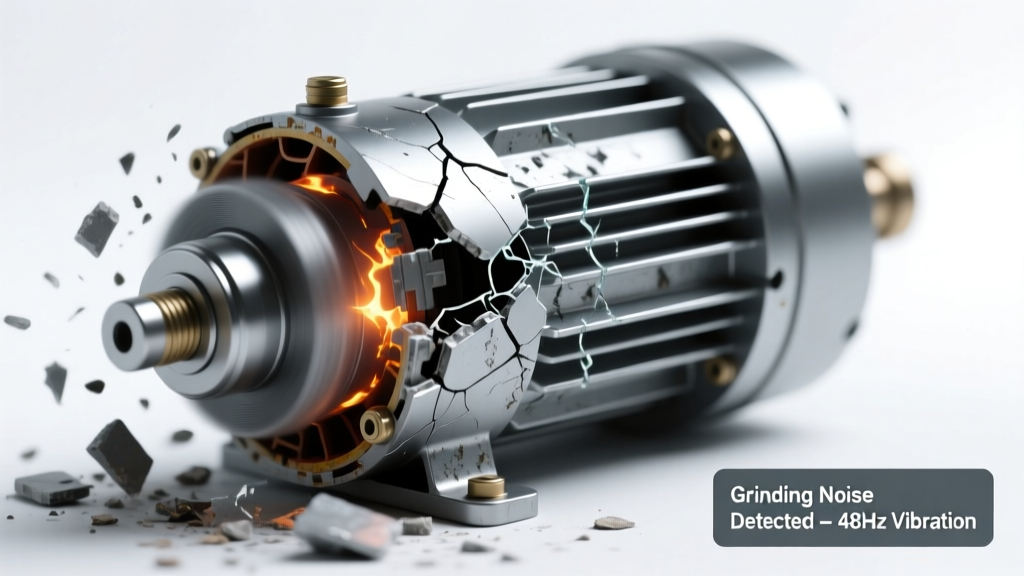
Learn how to identify why compressed insulation is grinding — and whether it’s a DIY fix or needs a pro. Prevent structural damage before it worsens.
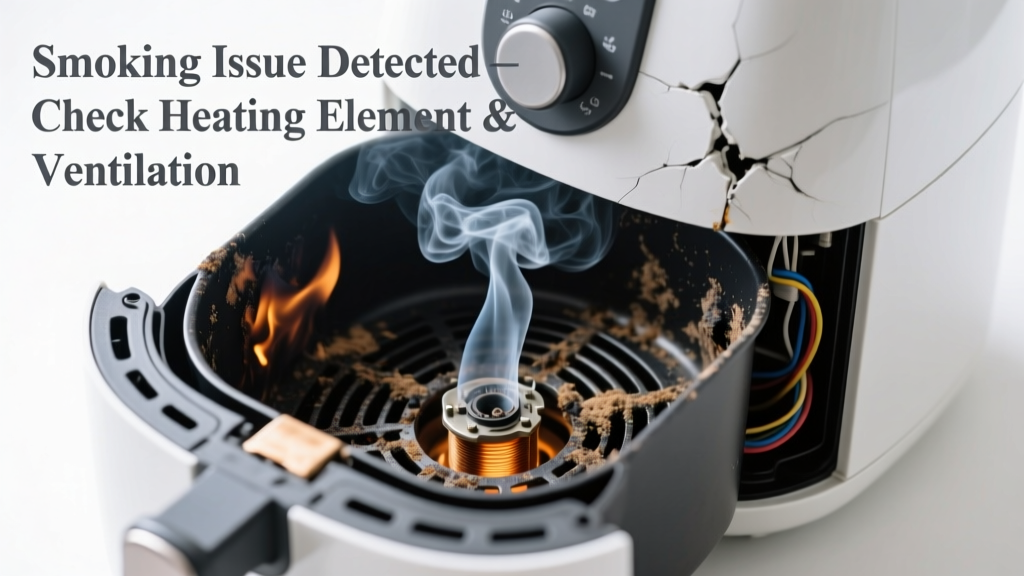
Learn how to pinpoint why your air fryer is smoking and emitting foul odors — fast, safe, and without guesswork. Stop damage before it worsens.
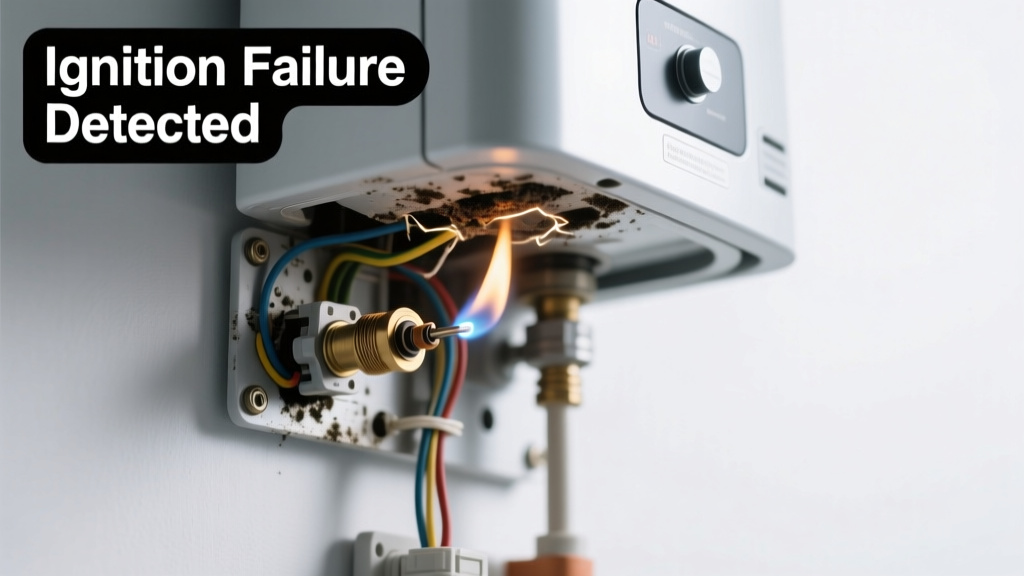
Learn how to diagnose why your tankless water heater won’t ignite — step-by-step checks, common causes, and when to call a pro. Save time and avoid costly mistakes.
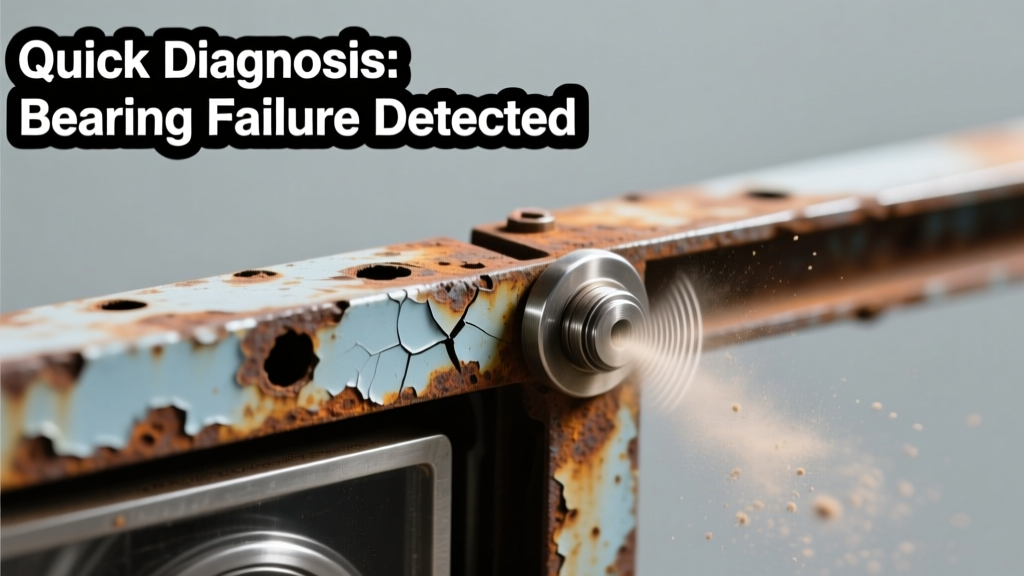
Learn how to pinpoint whether rust on your frame is causing grinding — and whether it’s safe to ride or needs urgent repair. Avoid costly mistakes.
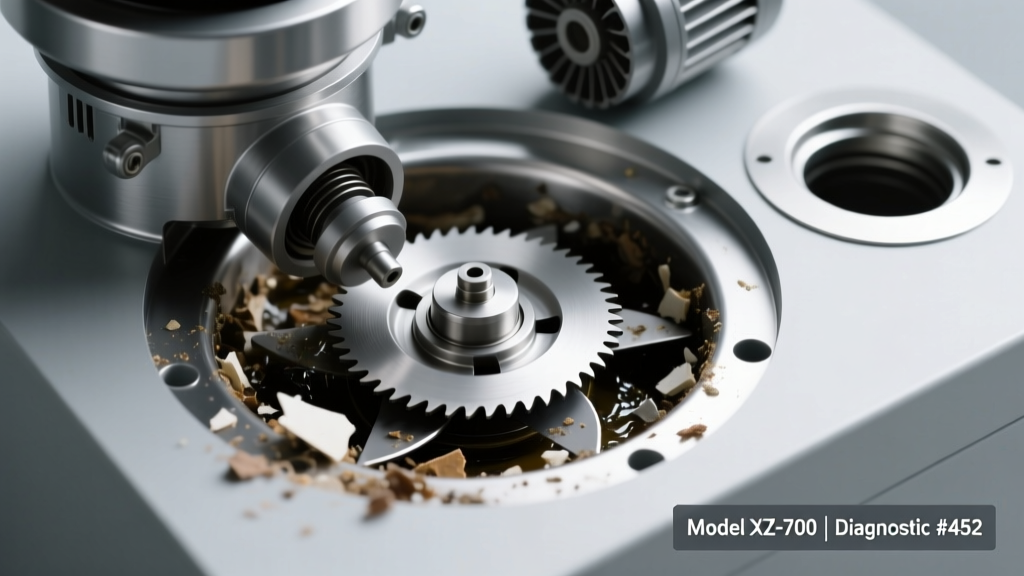
Learn how to diagnose a clogged garbage disposal that’s clicking — spot the cause fast and avoid costly damage. Stop guessing; start fixing.
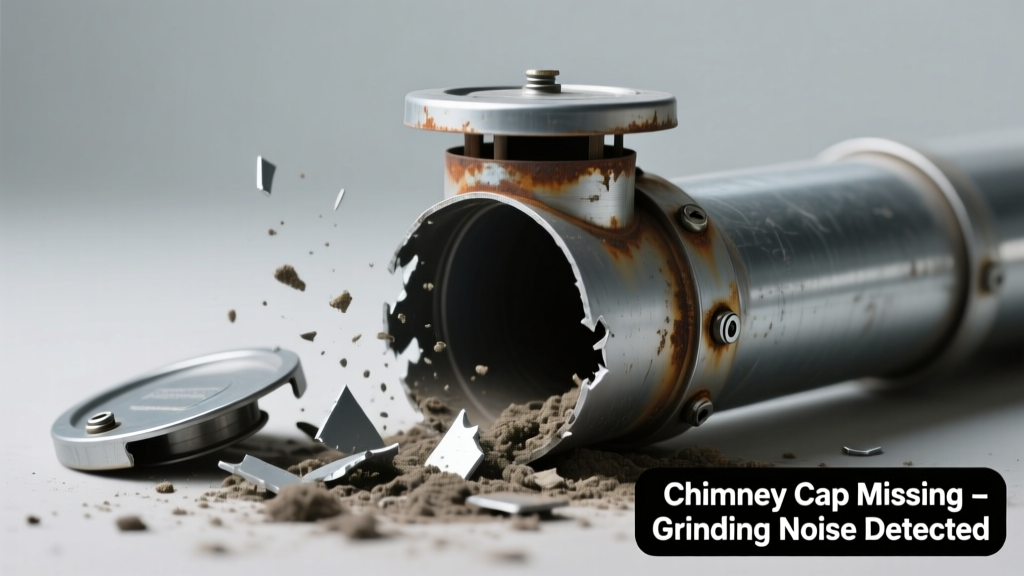
Learn how to diagnose why your missing chimney cap is causing grinding sounds—and whether it’s safe to delay repairs. Avoid costly damage with early identification.
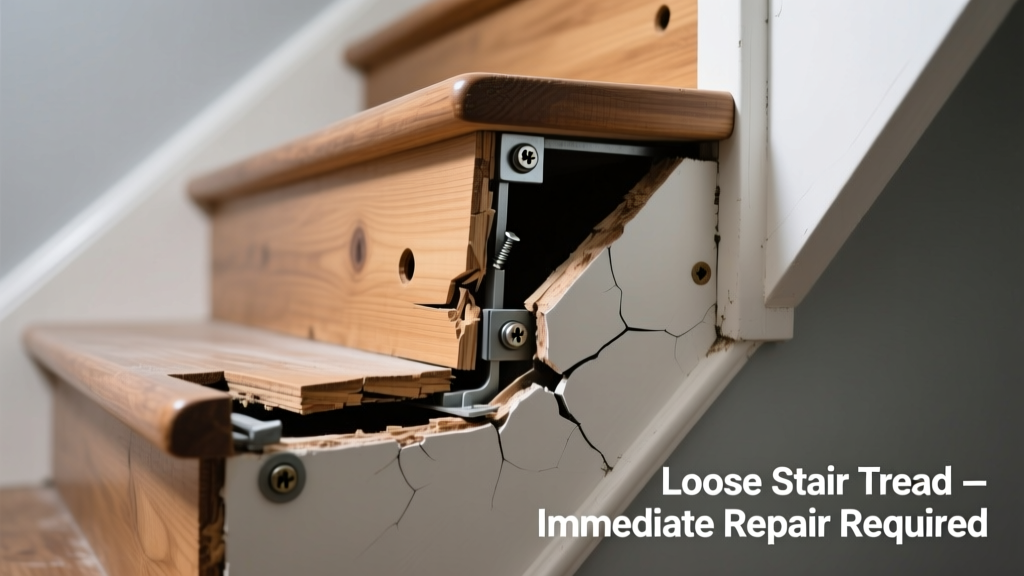
Learn how to pinpoint why your stair tread is completely loose — and whether it’s safe to walk on. Skip guesswork with proven diagnostic steps.
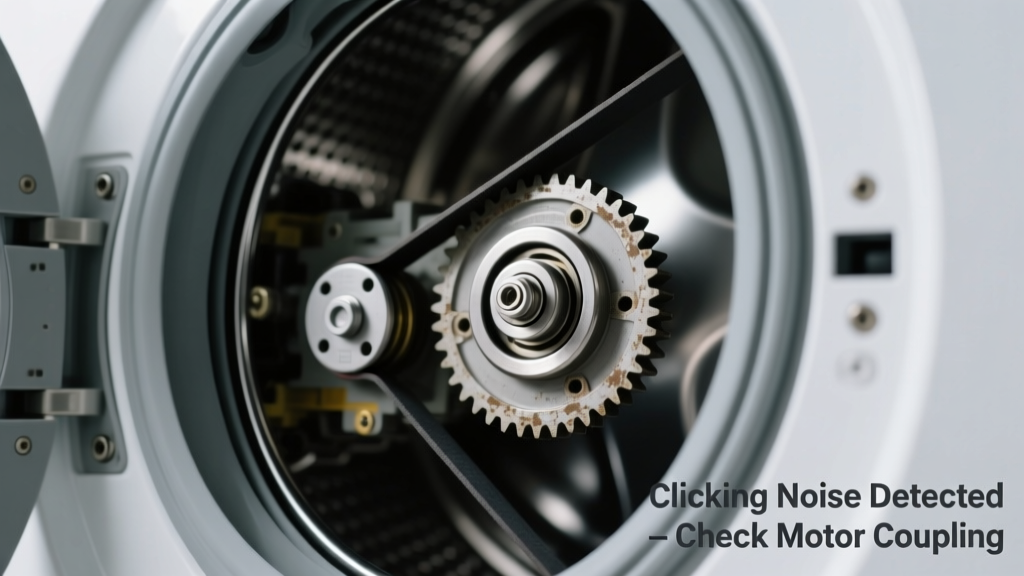
Learn how to diagnose a clicking noise when your washer won’t spin — spot the culprit in under 10 minutes. Avoid costly mistakes and unnecessary service calls.
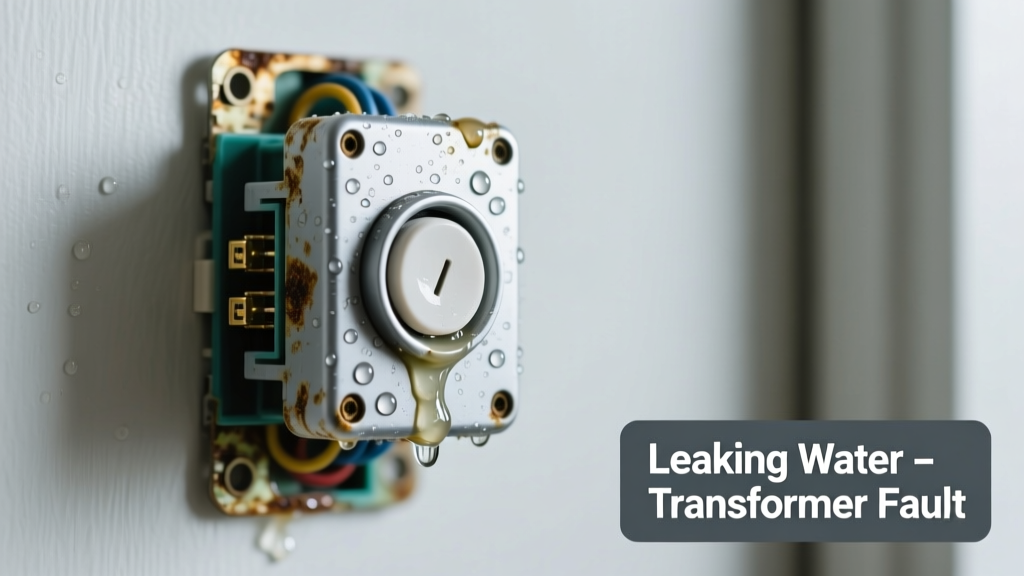
Learn how to identify whether your doorbell transformer is leaking water—and why it’s almost never the transformer itself. Stop water damage before it spreads.
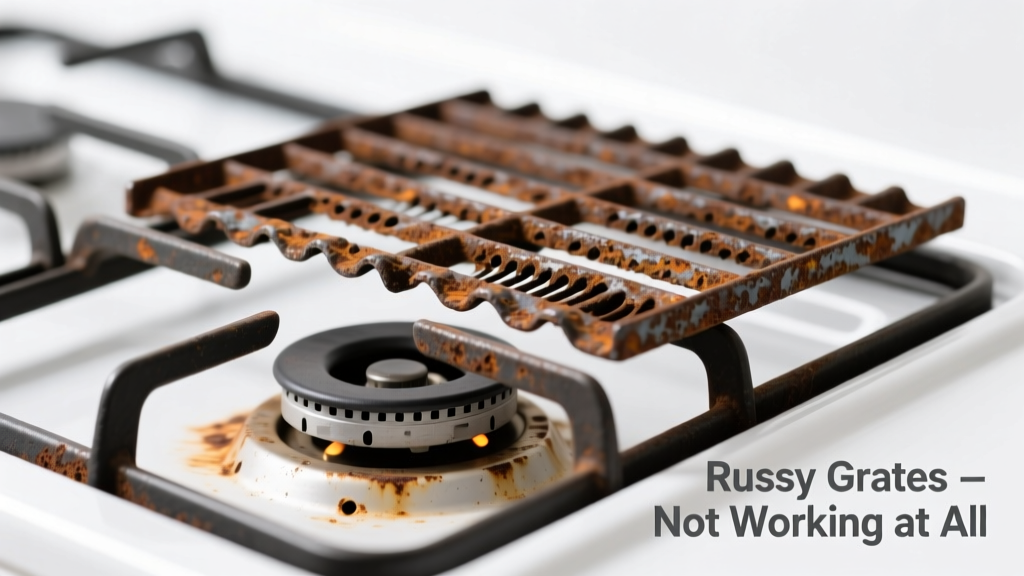
Learn how to diagnose why your grill’s rusty grates aren’t heating or holding food — and whether it’s safe to use. Skip guesswork with proven checks.
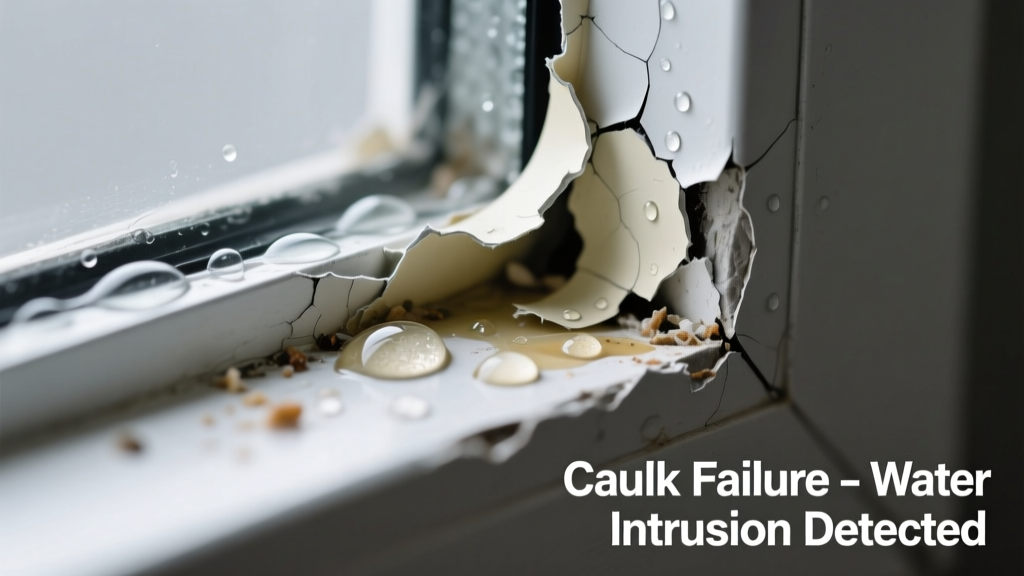
Learn how to pinpoint whether failed caulk is truly causing your water leak—and rule out hidden framing or flashing issues. Save time and avoid costly misdiagnosis.
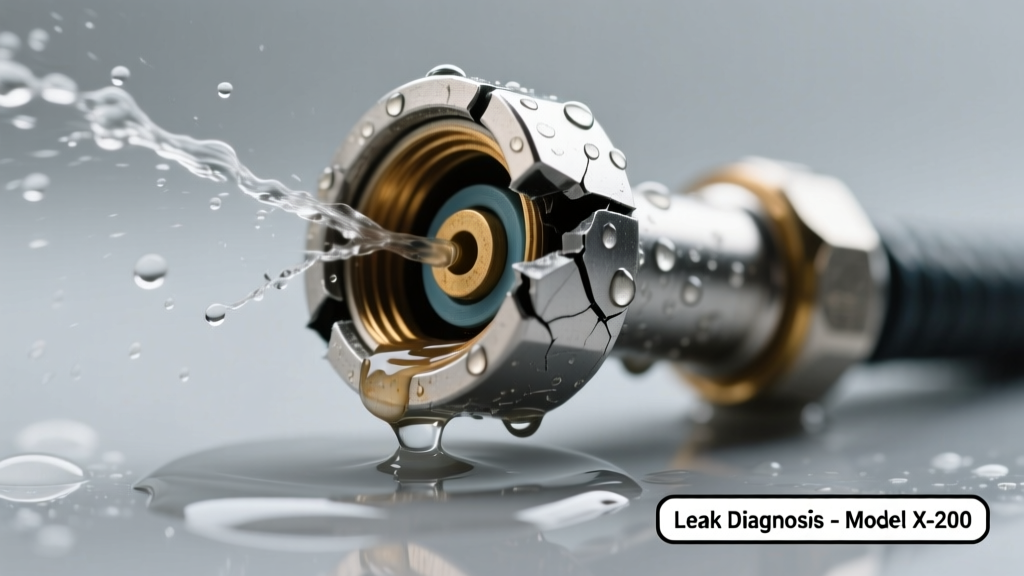
Learn how to pinpoint why your sprinkler head is leaking—and whether it’s a 10-minute DIY fix or needs a licensed irrigator. Stop water waste before it spikes your bill.
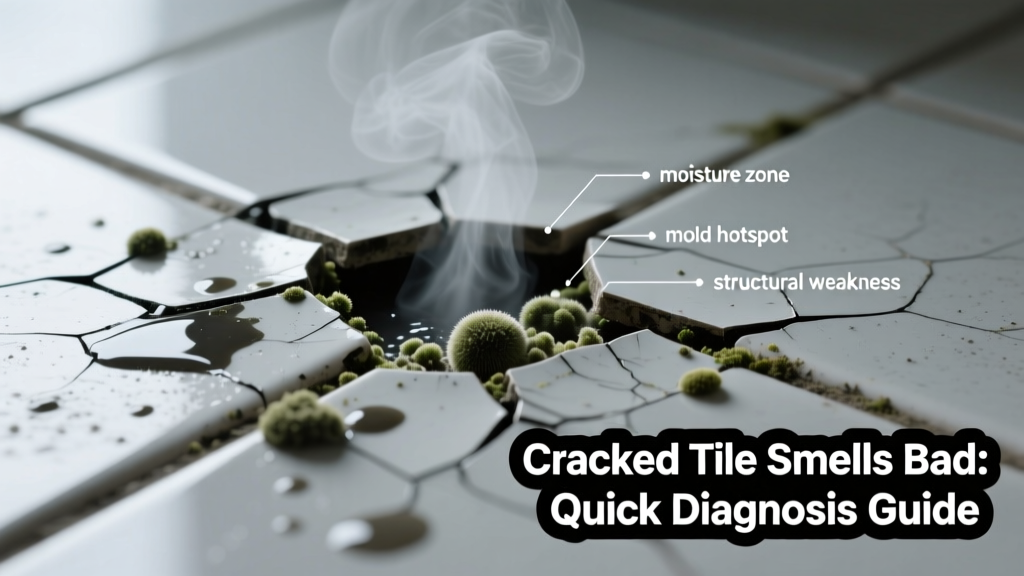
Learn how to pinpoint whether mold, sewer gas, or trapped moisture is causing the odor—and what to do *before* calling a pro. Fast, actionable steps inside.