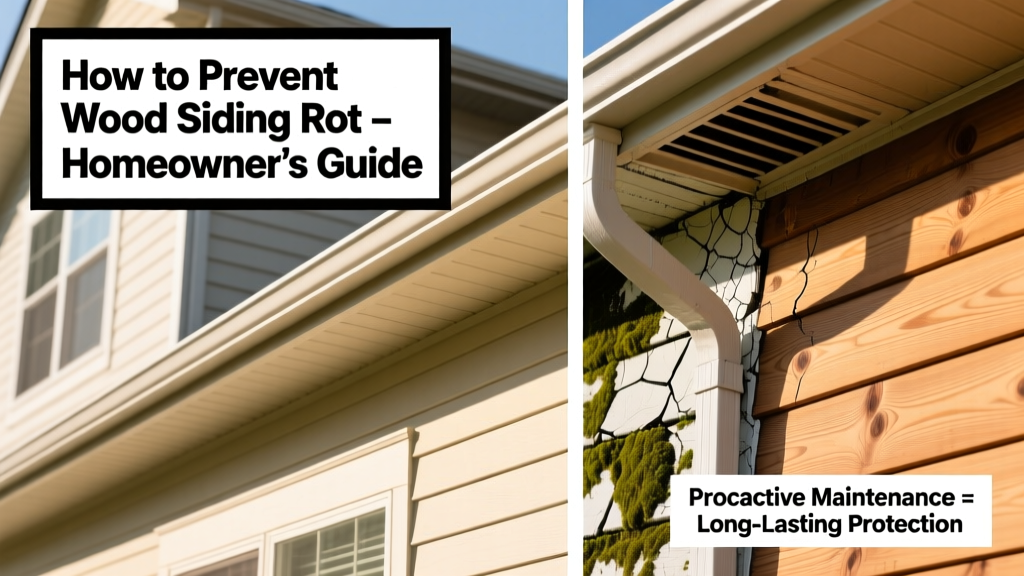
Wood siding adds warmth and character—but left unchecked, moisture and neglect turn beautiful cedar or pine into soft, crumbling hazards. Rot doesn’t just spoil curb appeal; it compromises sheathing, framing, and insulation. According to the Insurance Institute for Business & Home Safety's 2023 report, 68% of wood-siding-related insurance claims stem from preventable moisture intrusion—not storms or pests.
Why This Happens
Rot isn’t random—it’s biology meeting bad conditions. Fungi need three things: moisture above 20% wood moisture content, oxygen, and temperatures between 40°F–100°F. When water pools behind siding (from clogged gutters, poor flashing, or ground contact), spores colonize. Cedar and redwood resist rot naturally, but even they fail if trapped against damp sheathing or buried in mulch.
- Ground contact—siding within 6 inches of soil invites capillary wicking and termite entry
- Missing or corroded drip caps above windows and doors
- Gutters overflowing or detached, dumping water directly onto siding base
- Paint or stain failure on south- and west-facing walls (UV degradation accelerates every 3–5 years)
Maintenance Checklist
| Frequency | Task |
|---|---|
| Daily | Visually scan for obvious damage while walking the property (e.g., warped boards, peeling paint near grade) |
| Weekly | Clear debris from weep holes at bottom of clapboard or shingle courses |
| Monthly | Check downspout discharge—ensure water flows at least 5 feet from foundation |
| Yearly | Probe soft spots with an awl; reseal all butt joints and trim ends with elastomeric caulk |
Warning Signs
Early detection beats replacement. Don’t wait for mushrooms or musty smells—rot is often hidden behind intact paint. Look for:
- Dark, water-stained streaks running vertically below windows or under eaves
- Paint that bubbles *only* on lower 12 inches of boards—especially near corners
- Softness when pressing a screwdriver tip into board ends (if it sinks >1/8", suspect decay)
- Crumbly, fibrous texture when scraping off old finish near foundation line
Recommended Products
Not all sealers are equal—and some trap moisture. Prioritize breathable, vapor-permeable systems:
- Penetrating oil-based stains (e.g., Penofin or Armstrong Clark) — soak deep, don’t peel, last 5–7 years on north walls
- Elastomeric acrylic caulk (e.g., Big Stretch or OSI Quad Max) — bridges gaps up to ¼" without cracking
- Copper-based preservative primers (e.g., Cuprinol Wood Preserver) — applied before painting to inhibit fungal growth
How often should I repaint wood siding?
Every 5–7 years on shaded walls, but every 3–4 years on sun-exposed south/west faces. UV breaks down lignin—the glue holding wood fibers together—making it porous and absorbent. The U.S. EPA estimates that homes with faded, chalky finishes absorb 3x more rainwater than properly maintained ones.
Can I pressure wash wood siding?
Yes—but only at ≤1,200 PSI with a 40° fan tip, held 12–18 inches away. Higher pressure or narrow tips drive water behind boards. Always follow with a borate solution (e.g., borate wood treatment) to kill latent fungi.
What’s the minimum clearance between siding and soil?
Siding must sit at least 6 inches above finished grade—or 8 inches if using organic mulch. That gap prevents splashback, allows airflow, and stops termites from building mud tubes. If your siding touches soil, cut and replace the bottom course immediately.
Do vinyl or fiber-cement overlays prevent rot?
Only if installed correctly over dry, sound substrate. Trapping moisture between old wood and new cladding accelerates decay. Before overlaying, inspect and repair all sheathing—then install a rainscreen gap (like rainscreen installation details) for drainage and drying.
Is there a low-cost way to extend siding life?
Absolutely. Install aluminum or copper Z-flashing behind all horizontal seams—especially where siding meets windows, doors, and chimneys. This simple $2.50/foot detail redirects water outward, not inward. According to the National Association of Home Builders’ 2022 Builder Practices Survey, homes with continuous flashing had 41% fewer rot-related callbacks in year one.
"Rot rarely starts where you see it—it starts where you *don't*. Check behind downspouts, inside corner boards, and under deck ledger attachments first." — Greg Rasmussen, Certified Master Builder, NAHB Remodeling Council (2023)
Preventing wood siding rot isn’t about perfection—it’s about consistency. A 10-minute monthly gutter check, annual probing of board ends, and timely resealing of joints add up to decades of service life. Pair those habits with smart product choices, and your wood siding won’t just survive—it’ll age gracefully. For deeper protection, consider adding a wood siding rainscreen during your next repaint cycle.