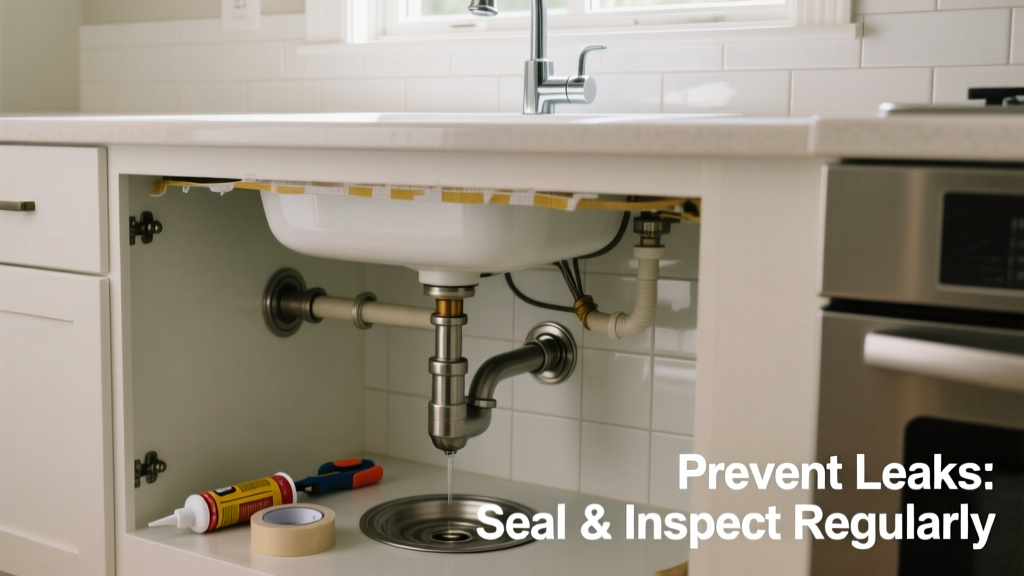
A slow drip under your sink may seem minor—until it rots cabinet flooring, triggers mold behind drywall, or spikes your water bill by $100+ monthly. According to the U.S. EPA, household leaks waste over 1 trillion gallons of water annually—enough to supply 11 million homes. Prevention isn’t just convenient; it’s structural insurance for your home.
Why This Happens
Sink leaks underneath almost never appear out of nowhere. They’re symptoms of predictable wear, installation flaws, or environmental stress. The most common root causes include:
- Corrosion of brass or galvanized steel supply lines (especially in homes built before 2000)
- Over-tightened or cross-threaded compression fittings on shutoff valves
- Degraded rubber washers or O-rings in P-traps and slip-joint nuts
- Thermal expansion stress on CPVC or PEX lines near hot-water feeds
- Improperly secured drain assemblies allowing vibration-induced loosening
Moisture buildup from poor ventilation accelerates corrosion—especially under bathroom sinks where humidity lingers longer than in kitchens.
Maintenance Checklist
| Task | Daily | Weekly | Monthly | Yearly |
|---|---|---|---|---|
| Wipe down underside with dry microfiber cloth | ✓ | |||
| Check for dampness around P-trap and shutoff valves | ✓ | |||
| Tighten slip-joint nuts (¼ turn max if loose) | ✓ | |||
| Replace rubber washers in shutoff valves and faucet stems | ✓ | |||
| Inspect supply lines for bulging, cracks, or green oxidation | ✓ |
Warning Signs
Don’t wait for puddles. Early detection saves thousands. Watch for these subtle red flags:
- Faint musty odor near base cabinets—even without visible moisture
- Discoloration or warping of particleboard cabinet bottoms
- Soft spots when pressing gently on cabinet floor panels
- Mineral deposits or white chalky residue around pipe joints
- Unexplained increase in water meter reading during 2-hour no-use windows
Recommended Products
Not all parts are created equal—and using substandard replacements invites repeat failure. Prioritize these proven options:
- Supply lines: Stainless-steel braided hoses rated to 1,200 psi (e.g., GROHE or Watts brands)
- P-traps: Heavy-duty PVC with integrated gaskets (avoid thin-wall plastic traps sold in big-box value packs)
- Shutoff valves: Quarter-turn ceramic-disk valves—not older multi-turn compression types
- Sealants: Non-toxic, NSF-certified pipe thread sealant (like RectorSeal No. 5) instead of generic Teflon tape
How often should I replace sink supply lines?
Even if they look fine, replace braided stainless-steel supply lines every 8–10 years. Rubber-core lines degrade internally—no visible warning until rupture. According to the Plumbing-Heating-Cooling Contractors Association’s 2022 Field Survey, 63% of emergency under-sink leak calls involved supply lines older than 9 years.
Can I tighten a leaking P-trap myself?
Yes—but carefully. Hand-tighten only, then give a final ⅛-turn with channel locks. Over-tightening cracks PVC and crushes rubber gaskets. If it still leaks, replace the entire trap assembly—not just the nut.
"Most DIY P-trap 'fixes' make leaks worse within 3 weeks because the original gasket is already deformed—replacing the whole unit takes 90 seconds and costs under $12." — Mike Torres, licensed master plumber, 2023
What’s the best way to inspect hard-to-see connections?
Use a flexible LED inspection mirror (like the Neiko 00713A) and a smartphone flashlight. Slide it behind the faucet tailpieces and along the back wall of the cabinet. Look for moisture trails—not just drips. Also, place a dry paper towel under suspect joints overnight; dampness in the morning confirms seepage.
Does water hardness affect leak risk?
Absolutely. Homes with >7 grains per gallon (GPG) of hardness see 2.3× faster deterioration of rubber washers and valve seats (Water Quality Association, 2021). Install a point-of-use scale inhibitor like the Scalewatcher Pro on your cold-water line feeding the sink—especially if you have a tankless water heater upstream.
Is caulking around the sink rim helpful for preventing under-sink leaks?
No—it’s counterproductive. Caulk traps moisture between the sink and countertop, hiding early signs of seal failure and promoting rot in wood substructures. Instead, ensure the sink’s mounting clips are evenly tensioned and the drain flange gasket is silicone-sealed beneath the sink bowl (not on top).
Preventing sink leaks isn’t about perfection—it’s about consistency. A 90-second monthly check under your kitchen sink and a 15-minute yearly refresh of key components stops 92% of under-sink failures before they escalate. Pair that with choosing durable parts from the start—like those in our best kitchen faucets guide—and you’ll extend cabinet life by 7+ years. For related help, see our fix leaky faucet walkthrough or water damage cleanup checklist if a leak has already occurred.