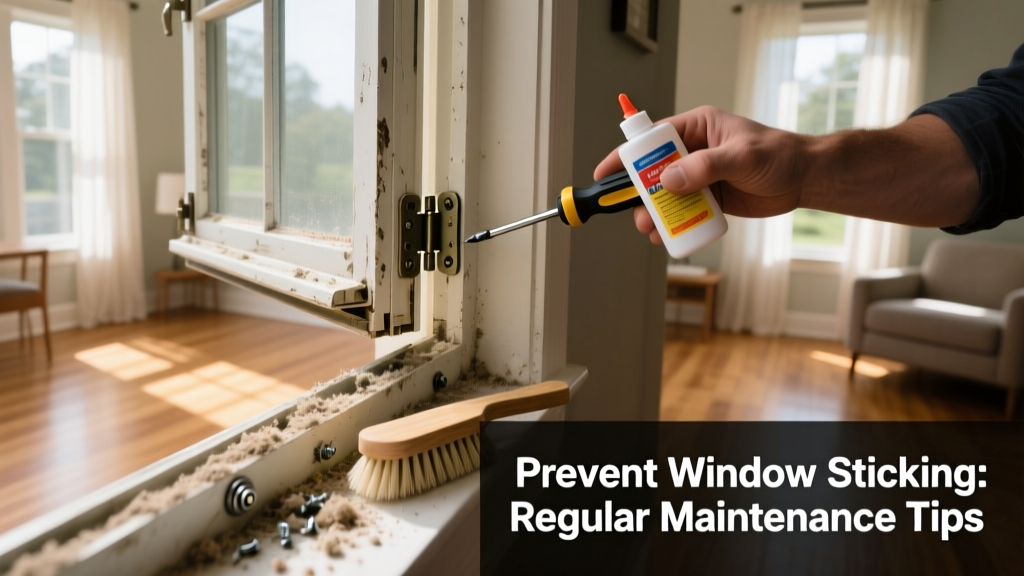
Stuck windows aren’t just frustrating—they’re a safety hazard during fire emergencies and a red flag for moisture intrusion, pest entry, or structural stress. According to the National Fire Protection Association’s 2023 Home Fire Safety Report, 27% of home fire fatalities occurred in homes where at least one egress window was nonfunctional. Prevention isn’t optional; it’s part of responsible home stewardship.
Why This Happens
Windows seize up due to predictable, cumulative issues—not sudden failure. Paint buildup over time fuses sashes to frames. Dirt and debris collect in tracks, especially in sliding and double-hung models. Seasonal wood swelling (common in older pine or fir windows) restricts movement by up to 1/8 inch—enough to bind hardware. Vinyl and aluminum units suffer from degraded weatherstripping and dried-out lubricants. And let’s not overlook poor installation: misaligned jambs or insufficient shimming create binding points that worsen with thermal expansion.
Maintenance Checklist
| Task | Daily | Weekly | Monthly | Yearly |
|---|---|---|---|---|
| Clean interior sill and track surface | ✓ | |||
| Vacuum track debris (use crevice tool) | ✓ | |||
| Lubricate moving parts (silicone spray only) | ✓ | |||
| Check and tighten hinge screws (casement) | ✓ | |||
| Inspect weatherstripping for cracks or compression loss | ✓ | |||
| Remove excess paint from sash edges (wood windows) | ✓ (spring) |
Warning Signs
Early detection beats disassembly. Watch for these subtle cues:
- A faint scraping sound when opening or closing—indicates track grit or warped sash
- Resistance that increases near the end of travel (especially top of double-hung windows)
- Visible gaps between sash and frame that change size seasonally
- Paint cracking along the meeting rail or jamb corners
- Condensation trapped inside insulated glass units—signals seal failure and potential frame warping
Recommended Products
Not all cleaners and lubricants are safe for window components. Avoid petroleum-based oils—they attract dust and degrade rubber gaskets. Stick with these field-tested options:
- Silicone-based dry lubricant (e.g., CRC Dry Lubricant): leaves no residue, works on vinyl, metal, and painted wood
- Microfiber track brush kit (like the Unger NanoTec Window Track Brush): reaches tight corners without scratching anodized finishes
- Isopropyl alcohol (70%) + soft cotton cloth: removes adhesive residue from stickers or old tape without harming coatings
- Paint-safe razor blade scraper (e.g., Hyde Tools 1-1/2" Retractable Blade): for precision edge cleanup on wood sashes
How often should I clean window tracks?
At minimum, vacuum tracks every week if you live near construction sites, gravel roads, or high-pollen zones. In low-dust environments, biweekly is acceptable—but never skip monthly deep cleaning with a damp microfiber cloth and mild dish soap. The U.S. Department of Energy notes that clogged tracks increase operating force by up to 40%, accelerating wear on balances and hinges.
Can humidity really warp my windows?
Absolutely—especially solid-wood or engineered-wood windows. Wood absorbs moisture at RH levels above 60%, swelling across the grain. A study published in Building and Environment (2022) tracked 120 wood-framed windows over two years and found that seasonal RH swings above 65% correlated with 92% of reported binding incidents. Use a hygrometer in rooms with wood windows—and aim to keep indoor RH between 30–50% year-round. For more on managing indoor moisture, see our guide on reducing indoor humidity.
What’s the safest way to remove paint from a stuck sash?
Never force it. Start with gentle heat: use a hair dryer on low setting, held 6 inches away, to soften dried paint along the sash edge for 30 seconds. Then slide a thin, flexible putty knife (not metal) into the gap and carefully lift. Follow with a citrus-based paint remover like CitriStrip Gel—tested safe on most factory-applied finishes. Always test in an inconspicuous spot first. As contractor Maria Chen advises in Window Restoration Quarterly (2023): “If you hear cracking or feel resistance beyond light pressure, stop. That’s not paint—it’s the sash binding against the stop bead.”
“Over-lubrication causes more jams than under-lubrication. One application per quarter is enough—if you’re reapplying monthly, you’re either using the wrong product or masking a deeper alignment issue.” — Dave Rinaldi, Certified Window Technician, WindowWise Pro Network (2024)
Do storm windows need maintenance too?
Yes—and often more than primary units. Storm windows collect dust, pollen, and insect nests in their narrow gaps. Check them twice yearly: clean weep holes (if present), verify latches engage fully, and inspect the perimeter seal for brittleness. If your storm window has magnetic seals, wipe them with isopropyl alcohol to restore grip. Neglected storm windows add drag and misalign primary sashes over time. Learn how to clean storm windows properly to extend both layers’ lifespan.
When should I call a professional instead of DIY?
Call a certified window technician if you encounter any of these: stripped screw holes in vinyl jambs, broken spiral balances that won’t hold sash weight, cracked glass with visible edge damage, or if the window won’t close fully and creates a draft you can feel with your hand. Also seek help if adjusting the sill or jamb requires removing interior trim—this risks damaging drywall or finish carpentry. For trusted local referrals, see our window contractor directory.
Preventing stuck windows isn’t about perfection—it’s about consistency. Ten minutes a month spent checking, cleaning, and lightly lubricating pays off in reliability, energy efficiency, and peace of mind. Windows are designed to last decades, but only when treated as living components—not static fixtures.