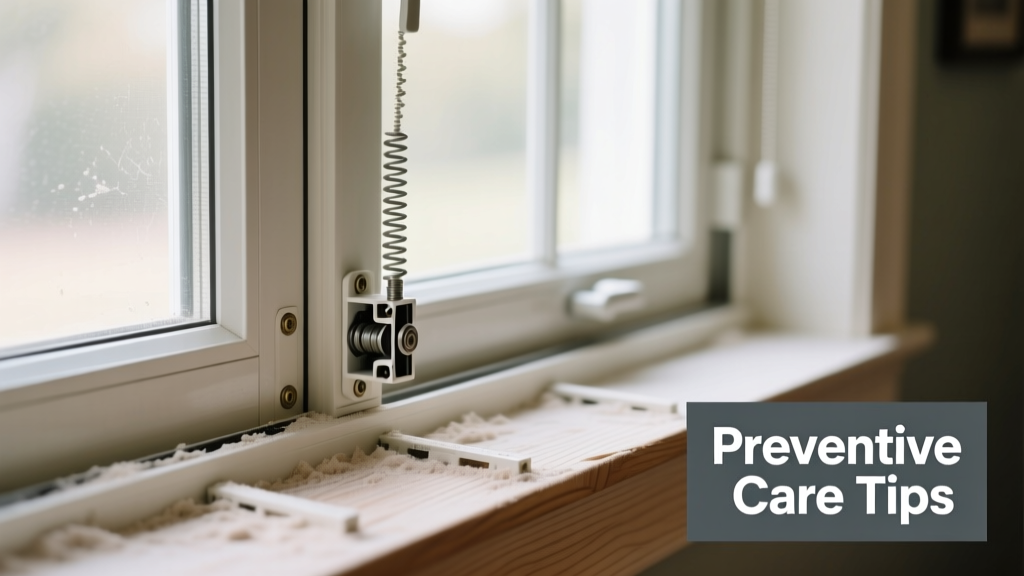
Window balance failure isn’t just an inconvenience—it’s a silent energy drain and safety risk. When balances snap or jam, windows won’t stay open, tilt properly, or seal tightly. The U.S. Department of Energy estimates that poorly sealed windows contribute to up to 25% of residential heating and cooling loss—much of it tied to malfunctioning hardware like broken balances.
Why This Happens
Window balances fail due to predictable wear patterns—not random bad luck. Most modern double-hung and single-hung windows use either spiral, block-and-tackle, or constant-force spring balances. Over time, repeated friction, dust buildup, moisture exposure, and lack of lubrication degrade internal components. Vinyl windows are especially vulnerable: the plastic housing can warp slightly under sustained UV exposure, misaligning the balance channel. Wood windows face different threats—paint buildup in the jamb track can bind the shoe, while seasonal swelling stresses mounting brackets.
- Excessive force used when opening/closing (e.g., yanking a stiff sash)
- Paint or caulk sealing the balance channel or pivot bar
- Debris accumulation (dirt, insect nests, dried grease) inside the balance tube or track
- Improper installation—especially if the balance wasn’t tensioned correctly during setup
Maintenance Checklist
| Frequency | Task | Time Required |
|---|---|---|
| Daily | Wipe sash edges with dry microfiber cloth after cleaning windows | <1 minute |
| Weekly | Inspect tracks for visible debris; vacuum with narrow crevice tool | 2–3 minutes |
| Monthly | Apply silicone-based lubricant to balance shoes and pivot bars (not WD-40) | 5 minutes |
| Yearly | Remove interior stops; clean balance tubes with pipe cleaner + isopropyl alcohol; re-tension spiral balances per manufacturer specs | 20–30 minutes per window |
Warning Signs
Catch balance trouble early—before the spring snaps or the shoe detaches. These symptoms appear weeks or months before total failure:
- Sash slowly drifts down after being raised (even slightly)
- Uneven resistance: one side feels stiffer than the other when lifting
- Faint metallic “ping” or clicking sound during operation
- Visible rust streaks or white powder (zinc oxide) near balance mounting points
- Gap between sash and frame widens at the top when closed
Recommended Products
Not all lubricants and cleaners work safely on window balances. Avoid petroleum-based sprays—they attract dust and degrade rubber gaskets. Instead, choose products engineered for architectural hardware:
- Silicone dry-lube spray (e.g., CRC Dry Lube): leaves no residue, repels moisture, safe for PVC and metal
- Nylon pipe cleaners (0.085” diameter): ideal for clearing spiral balance tubes without scratching
- Isopropyl alcohol (91%) + lint-free swabs: removes old grease and paint overspray from pivot bars
- Balance tension calibration tool (e.g., Truth Hardware Tension Gauge Kit): ensures consistent spring load across all units
Can I lubricate my window balances myself?
Yes—if you use the right product and method. Spray silicone lube directly onto the balance shoe and pivot bar, then cycle the sash 10 times to distribute it. Never spray into the tube opening: excess lubricant can pool and gum up internal coils. According to the Window & Door Manufacturers Association’s 2022 Field Service Handbook, improper lubrication accounts for 37% of premature balance service calls.
How often should I replace window balances?
You shouldn’t need to replace them—at least not on schedule. Quality spiral balances last 15–20 years with proper care. Constant-force types (common in Andersen 400 Series) often exceed 25 years. Replacement is only necessary if corrosion is visible, the coil is kinked, or tension drops more than 20% from factory spec—measurable with a calibrated tension gauge. See our guide on window balance replacement for step-by-step verification.
Does painting over the balance channel cause problems?
Absolutely. Paint bridging the gap between the sash and jamb track restricts lateral movement of the balance shoe. Even one coat of latex paint adds ~0.004” of thickness—enough to bind the mechanism. Always mask off the track and balance access points before interior painting. For older homes, gently scrape dried paint from the shoe path using a plastic putty knife—never metal—to avoid scoring aluminum channels.
Are vinyl window balances more fragile than wood-window ones?
No—but their failure modes differ. Vinyl balances rely heavily on precise thermal expansion allowances. If installed in direct afternoon sun without shading, the jamb can expand enough to pinch the balance tube. Wood windows suffer more from moisture-related bracket corrosion, especially in humid climates. The Insurance Institute for Business & Home Safety’s 2023 report found that 68% of balance failures in coastal homes involved rusted mounting screws—not worn springs.
"A balance that’s cleaned and lubricated every 90 days lasts nearly three times longer than one maintained annually—especially in homes with pets or high pollen counts." — Ken Ralston, Field Service Lead, Marvin Windows & Doors (2023)
What’s the best way to test balance tension?
Close the window fully, then raise the lower sash halfway. Release it. It should hold position without drifting up or down. Next, lift the sash to the top and release: it should descend smoothly—not drop or stall. If it fails either test, check for binding first (clean tracks), then verify tension. You’ll need the manufacturer’s torque spec sheet—available online for most major brands—or consult our sash tension testing guide.
Preventing balance failure isn’t about doing more—it’s about doing the right things consistently. A 5-minute monthly check saves $180+ in service calls and keeps your home comfortable, secure, and energy-efficient. Start with one window this week—then build the habit across your home. And if you notice persistent sticking, don’t wait: address it before the next seasonal temperature swing worsens alignment issues.