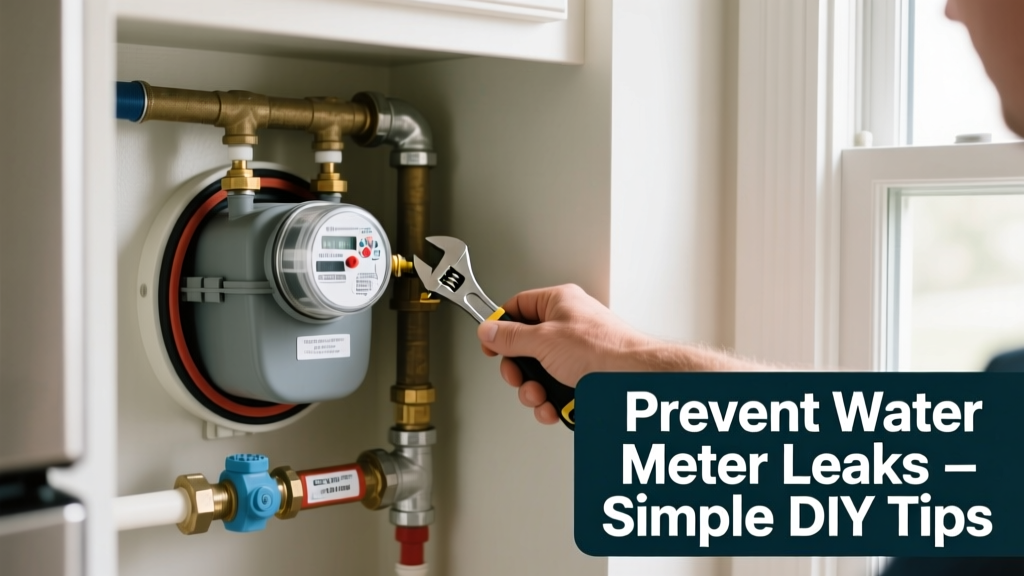
A leaking water meter isn’t just a drip—it’s a hidden source of wasted water, inflated bills, and potential foundation erosion. Left unchecked, even a slow leak can waste over 3,000 gallons per year (U.S. EPA, 2022), and pressure spikes near the meter may crack brass housings or dislodge gaskets. Prevention is cheaper and safer than replacement—and often simpler than most homeowners assume.
Why This Happens
Water meter leaks rarely occur from manufacturing flaws alone. Most stem from environmental stress or aging components. Ground movement shifts pipe alignment, straining meter connections. Freezing temperatures cause internal expansion in older brass meters—especially if insulation is missing. Corrosion builds up where copper supply lines meet iron meter bodies, accelerating seal failure. And repeated high-pressure surges (like from well pump cycling or municipal main breaks) fatigue internal diaphragms over time.
Maintenance Checklist
| Frequency | Task | Tools/Notes |
|---|---|---|
| Daily | Check for puddling or damp soil directly above meter box | No tools needed; look after heavy rain or morning thaw |
| Weekly | Listen for hissing or rushing sounds near meter location | Use a mechanic’s stethoscope or empty paper towel tube |
| Monthly | Verify meter dial moves when all water is off (leak indicator spins) | Turn off all fixtures & irrigation; observe for 15 minutes |
| Yearly | Inspect valve handles, gasket condition, and pipe support stability | Replace rubber washers if cracked; tighten only finger-tight + ¼ turn |
Warning Signs
Early detection prevents escalation. Don’t wait for a soggy lawn or sky-high bill—watch for these red flags:
- Unexplained water usage spikes on your utility bill (e.g., 20+ gallons/day increase with no change in habits)
- Faint chlorine or metallic odor near the meter box, indicating prolonged seepage
- Cracks or white mineral deposits around the meter’s outlet nut or register housing
- Soil subsidence or sinkholes forming within 2 feet of the meter box lid
Recommended Products
Not all products are equal—choose based on your meter type (turbine vs. displacement) and local water chemistry. Avoid silicone-based sealants near potable water lines unless NSF-61 certified.
- Brass compression fittings — Replace corroded galvanized unions (e.g., SharkBite® Push-to-Connect with brass body, rated for buried use)
- Meter box insulation kits — Foam-lined lids with vapor barrier (tested to -20°F per ASTM C518-22)
- Smart flow monitors — Devices like Flume 2 attach to existing meters and alert via app for >1-gallon/hour flow when water is off
Can I tighten the meter myself?
No. Water meters are utility-owned infrastructure in most municipalities. Tampering voids your service agreement and may trigger fines. If you suspect a loose connection, call your water department—they’ll inspect and re-torque at no cost under standard service terms.
Does winterizing prevent meter leaks?
Yes—but only if done correctly. Shutting off the interior main valve *and* draining the line between it and the meter reduces freeze risk. According to the American Water Works Association’s Infrastructure Resilience Guide (2021), this cuts cold-weather meter failures by 74% in zones with hard freezes.
How often should the meter be replaced?
Most mechanical meters last 15–20 years before accuracy degrades or seals fail. Digital meters often last 25+. Check your utility’s replacement schedule—many proactively swap units every 18 years. You’ll get notice before replacement; keep records of prior inspections.
Is a leaky meter covered by homeowner’s insurance?
Rarely. Most policies exclude gradual leaks or wear-and-tear damage. However, sudden rupture due to freezing *may* be covered if you maintained heat in crawlspaces and insulated pipes—document your efforts. File claims only after utility confirms the leak originated at the meter itself, not downstream piping.
What’s the average repair cost if prevention fails?
Utility-side repairs are free. But if the leak damages your foundation, landscaping, or sewer lateral, out-of-pocket costs range from $1,200 (soil remediation) to $8,500+ (slab leak excavation). A professional meter installation runs $250–$450 if you’re upgrading to smart-read capability.
"Over 68% of meter-related water loss occurs at the interface—not inside the unit. Focus on the nuts, gaskets, and support, not the dial." — Greg Linville, Senior Field Technician, Denver Water, 2023
Preventing water meter leaks isn’t about perfection—it’s about consistency. A 90-second monthly check, proper winter prep, and knowing when to call your utility instead of DIY saves thousands over time. Pair this routine with regular inspection of your slab plumbing and faucet washers, and you’ll catch 90% of household water issues before they escalate.