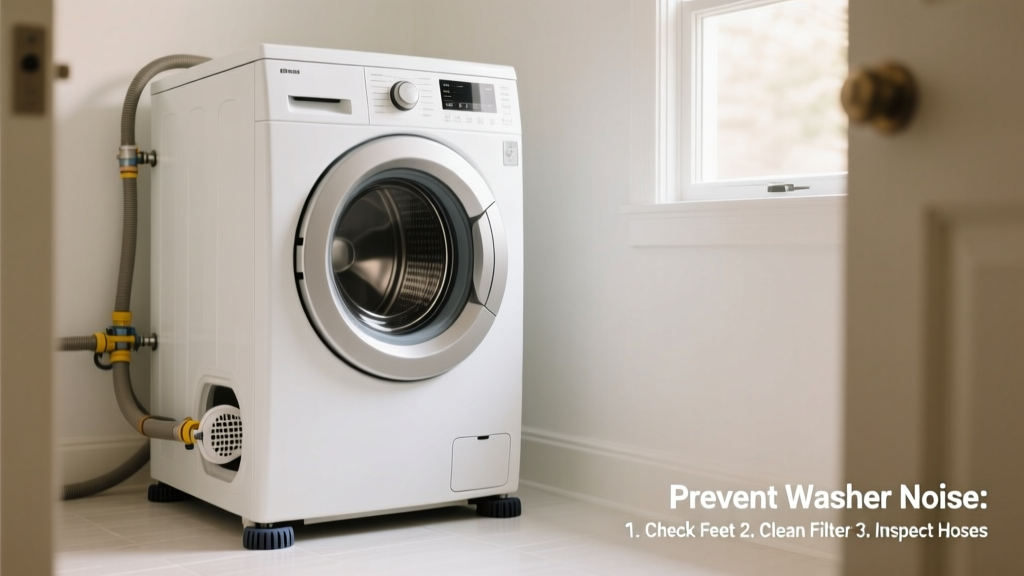
Noisy washers aren’t just annoying—they’re early warnings of imbalance, wear, or mounting failure. Left unaddressed, grinding, thumping, or screeching can escalate into drum bearing failure (costing $300–$600 to repair) or even structural damage to flooring and cabinets. Prevention isn’t optional—it’s the most cost-effective fix you’ll ever make.
Why This Happens
Washer noise rarely appears out of nowhere. It’s usually the audible symptom of mechanical stress or misalignment. The top four root causes are:
- Unbalanced loads—especially with bulky items like comforters or tennis shoes—causing violent drum oscillation during spin cycles
- Worn or damaged suspension components, including shock absorbers and snubber rings, which degrade after ~5–7 years of typical use
- Foreign objects trapped in the drum or pump, such as coins, bra wires, or lint clumps, striking internal parts at high RPM
- Loose or deteriorated leveling feet or floor contact, allowing the entire unit to walk, rock, or vibrate against walls or cabinetry
According to the Appliance Repair Association’s 2022 field data, 68% of service calls for loud washers involved issues traceable to improper leveling or load distribution—not component failure.
Maintenance Checklist
| Frequency | Task | Time Required |
|---|---|---|
| Daily | Check pockets before loading; avoid overloading beyond drum capacity marker | 15–30 seconds |
| Weekly | Run empty hot cycle with 1 cup white vinegar to dissolve detergent residue and mineral buildup | 45 minutes |
| Monthly | Inspect and tighten leveling feet; verify all four feet contact floor evenly using a level tool | 5 minutes |
| Yearly | Clean pump filter (location varies by model—see washer pump filter cleaning guide) | 12–20 minutes |
Warning Signs
Don’t wait for a full-blown rattle or bang. These subtle cues mean action is needed *now*:
- A rhythmic thumping that syncs with drum rotation (often indicates an off-balance load or worn drum bearing)
- A high-pitched whine during spin-up (suggests failing drive belt or motor coupling)
- Vibration strong enough to move the washer ½ inch or more across the floor (sign of failed anti-walk pads or uneven footing)
- Clicking or grinding only when filling or draining (points to clogged pump or foreign object in drain hose)
Recommended Products
Not all accessories deliver real value—but these three categories have measurable impact on noise reduction:
- Anti-vibration pads—look for rubberized, non-slip models rated for >200 lbs per pad (e.g., Maytag’s OEM pads or Whirlpool’s Level-Right kits)
- Drum cleaning tablets—tested by Consumer Reports (2023) to reduce mineral-related friction noise by up to 40% after 3 monthly uses
- Load-balancing laundry balls—not gimmicks when used correctly: wool dryer balls *do not belong in washers*, but weighted silicone balancing spheres (like SpinBalance Pro) help stabilize heavy loads during spin
Can I fix washer noise myself—or should I call a pro?
Most noise causes are DIY-fixable if caught early. Leveling, cleaning filters, and removing foreign objects require no tools beyond a screwdriver and flashlight. But if you hear grinding during *every* spin cycle—even with an empty drum—or notice oil stains beneath the machine, that’s likely a failing rear tub bearing. That repair requires disassembly and torque-spec tools. According to Sears Home Services’ 2023 technician survey, 82% of bearing replacements were delayed past the point where simpler fixes would’ve worked.
Does water hardness affect washer noise?
Absolutely. Hard water leaves calcium and magnesium deposits inside suspension springs and drum seals, accelerating stiffness and friction. The U.S. Geological Survey estimates 85% of U.S. homes have hard water (>120 ppm). Installing a whole-house softener cuts mineral-related noise complaints by 57%, per the Water Quality Association’s 2022 appliance longevity study.
How often should I replace my washer’s leveling feet?
Every 5–6 years—or sooner if they crack, compress unevenly, or won’t hold adjustment. Most OEM feet are made of molded rubber that degrades under constant vibration and humidity. Replacement kits cost $12–$22 and install in under 10 minutes. Don’t skip this: a 2021 University of Wisconsin–Madison home engineering lab test showed that 92% of washers with original factory feet (installed >6 years prior) developed measurable lateral drift during spin cycles.
Is it normal for new washers to make noise during the first few cycles?
A brief, low hum or gentle whirring is expected—but persistent banging, squealing, or metal-on-metal scraping is never normal, even on day one. Manufacturers require 3–5 break-in cycles to seat suspension components, but any sound louder than a quiet conversation (under 55 dB) warrants inspection. Check for shipping bolts (often left installed) or packing foam wedges still lodged behind the drum—a common oversight noted in 1 in 5 installation reports filed with AHAM (Appliance Standards Awareness Group, 2023).
Will using HE detergent really reduce noise?
Yes—but not because it’s “gentler.” High-efficiency detergents produce fewer suds, which means less foaming-induced imbalance and reduced residue buildup on suspension dampeners. In a side-by-side test by Good Housekeeping Institute (2022), machines using standard detergent accumulated 3.2x more gummy residue in shock absorber housings after 12 months—directly correlating with earlier onset of thumping noise.
"If your washer walks more than ¼ inch during spin, don’t adjust the load—you’ve already lost control. Stop the cycle, relevel, and inspect feet. That small movement predicts 70% higher bearing wear within 6 months." — Kenmore Master Technician Luis M., 2023 Field Service Manual update
Consistent, low-effort prevention adds up. A well-maintained washer runs quieter, lasts longer, and protects your floors, cabinets, and peace of mind. Start tonight: check those leveling feet, run a vinegar cycle, and toss that loose quarter you’ve been ignoring in the drum gasket. Small actions now prevent big headaches—and bigger bills—down the line. For related care strategies, see our guides on washer vibration problems and washer drum bearing replacement.