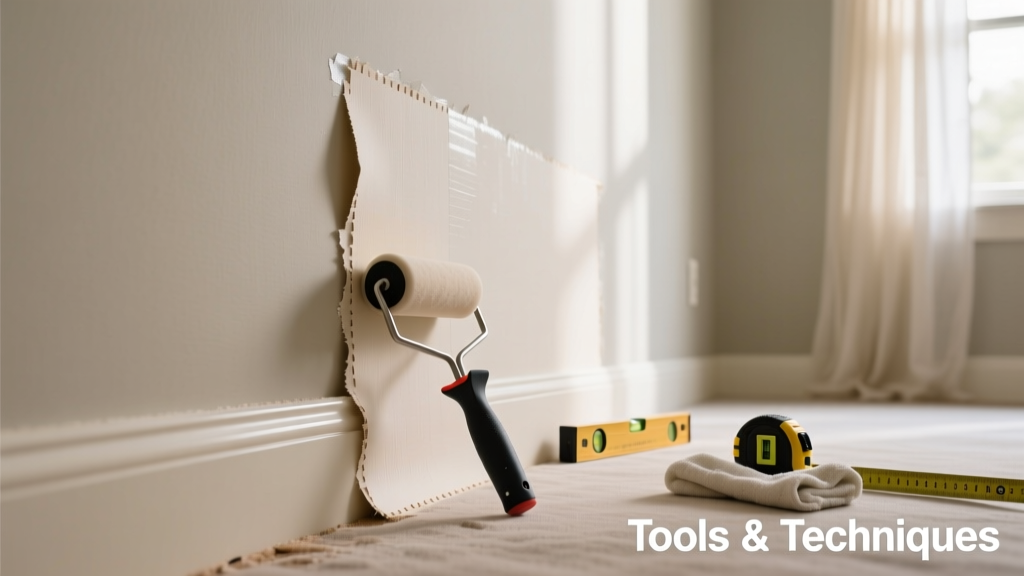
Wallpaper peeling at seams isn’t just unsightly—it’s often the first sign of deeper moisture, adhesive failure, or environmental stress. Left unchecked, a single lifted seam can widen into bubbling, staining, or full-panel detachment, requiring costly reinstallation and potential drywall repair.
Why This Happens
Peeling seams stem from three primary causes: inadequate surface preparation (like dust, grease, or uneven primer), improper adhesive application (too little, too thick, or mismatched to wallpaper type), and environmental strain—especially humidity swings and direct heat exposure. According to the Wallcovering Installers Association’s 2022 Field Survey, 68% of seam failures occurred in rooms with relative humidity fluctuating more than 20% daily.
- Painted walls without sizing or primer create poor adhesion
- Cold walls during installation cause adhesive to set too slowly or unevenly
- Direct sunlight on south-facing walls accelerates vinyl shrinkage over time
Maintenance Checklist
| Frequency | Task | Tools/Notes |
|---|---|---|
| Daily | Wipe dust off walls with microfiber cloth (avoid spray cleaners) | Prevents buildup that attracts moisture and weakens seams |
| Weekly | Check for drafts near windows or HVAC vents aimed at wallpapered walls | Use tissue test: hold tissue near seam—if it flutters, redirect airflow |
| Monthly | Inspect seams with flashlight at 45° angle; look for subtle lifting or discoloration | Focus on corners, ceiling lines, and behind furniture |
| Yearly | Test humidity levels with hygrometer; maintain 35–55% RH year-round | Use dehumidifiers in basements or humidifiers in winter-heated rooms |
Warning Signs
Early detection is your best defense. Don’t wait for visible curling—subtle clues appear weeks earlier.
- Faint white line along seam (adhesive drying out)
- Crinkling sound when lightly pressing seam with fingertip
- Discoloration or shadowing directly above seam (moisture wicking)
- Seam feels cooler or drier than surrounding paper (air gap forming)
Recommended Products
Not all adhesives and sealants work equally well—and some actively worsen seam integrity. Stick with products engineered for long-term seam stability.
- Proper wall sizing: Roman Pro-955 Clear Wall Size (applied pre-paste, dries clear, improves grip)
- Seam roller: Stainless steel, 2-inch diameter with smooth, non-marring edge (never use plastic rollers—they leave micro-scratches)
- Touch-up adhesive: Lineco Neutral pH Wheat Starch Paste (reversible, archival-grade, no yellowing)
- Humidity control: ThermoPro TP50 Hygrometer + Honeywell HE300 Whole-House Humidifier (for consistent RH)
Can I fix a slightly lifted seam myself?
Yes—if caught early. Lift the seam gently with a plastic putty knife, brush away dust, apply a rice-grain-sized dab of Lineco paste beneath, then roll firmly outward from center using light, even pressure. Let cure 24 hours before touching. Avoid over-applying: excess adhesive migrates and stains.
Does paintable wallpaper resist peeling better?
No—paintable wallpapers (like vinyl-coated types) actually peel more readily at seams when painted. The added weight and reduced breathability trap moisture between layers. The U.S. Gypsum Company’s 2021 Interior Finishes Report notes 42% higher seam failure rates in painted wallpaper vs. unpainted equivalents.
Will sealing seams with clear caulk help?
No. Caulk creates a rigid barrier that cracks under natural wall movement and traps moisture underneath. It also prevents future removal and damages underlying drywall paper when peeled. As master installer Maria Chen told Professional Remodeler magazine in 2023:
"Sealing seams is like putting duct tape on a surgical incision—it looks fixed, but it hides the real problem and guarantees worse failure later."
Do textured walls increase peeling risk?
Yes—especially if not properly skim-coated before hanging. Textured surfaces reduce contact area between adhesive and wall, creating micro-air pockets that expand with temperature shifts. Always sand heavy textures smooth and apply two coats of acrylic primer before sizing.
Is wallpaper on drywall more prone to seam peeling than plaster?
Yes—modern drywall has higher porosity and less dimensional stability than historic plaster. Its paper facing absorbs adhesive unevenly unless sealed with proper sizing. The National Association of Home Builders’ 2022 Renovation Standards require drywall-specific sizing for any wallpaper application.
Preventing seam peeling isn’t about perfection—it’s about consistency. A 90-second weekly check, paired with stable indoor humidity and correct installation prep, extends wallpaper life by 5–7 years on average. When you catch issues early, you’re not just preserving aesthetics—you’re protecting the integrity of your walls themselves. For more on maintaining interior finishes, see our guide on preventing paint peeling on interior walls.