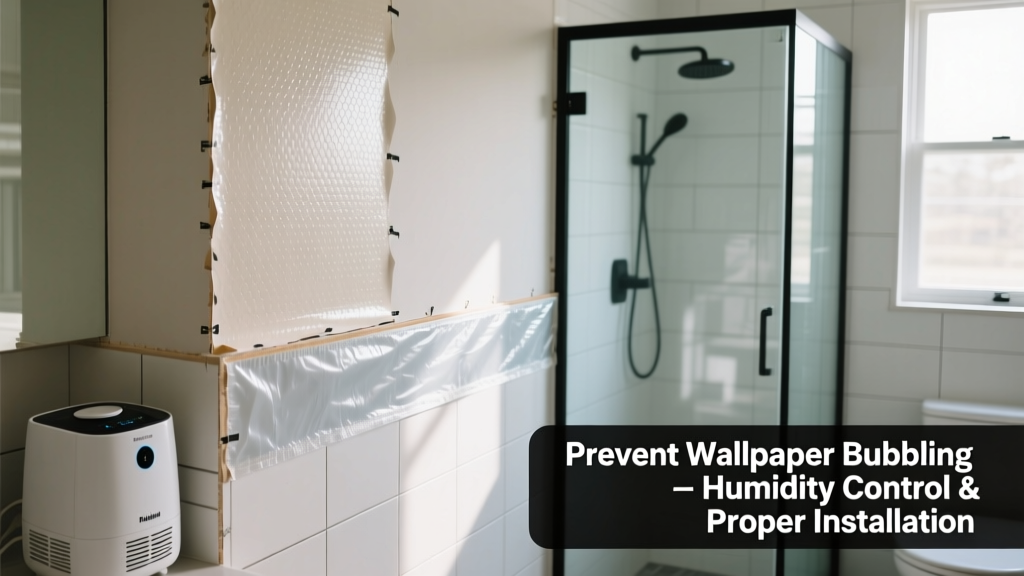
Wallpaper bubbling isn’t just unsightly—it’s an early warning sign of moisture buildup, poor adhesion, or substrate failure. Left unaddressed, small blisters can grow into peeling seams, mold-prone pockets behind the paper, or full-wall delamination requiring complete removal. Prevention saves time, money, and the headache of matching discontinued patterns.
Why This Happens
Bubbling occurs when air or moisture gets trapped between wallpaper and wall surface—or when the adhesive fails under stress. The U.S. EPA identifies interior relative humidity above 60% as a primary contributor to adhesive breakdown in vinyl-coated and non-woven papers (2022 Indoor Air Quality Guide). Other root causes include:
- Applying wallpaper over damp, dusty, or glossy surfaces
- Using outdated or water-diluted paste—especially with traditional cellulose-based adhesives
- Rolling seams too aggressively during installation, forcing air inward instead of outward
- Temperature swings >10°F within 48 hours of hanging, causing uneven drying and shrinkage
Maintenance Checklist
| Frequency | Task | Tools/Products Needed |
|---|---|---|
| Daily | Wipe condensation from windows and exterior walls in bathrooms and kitchens | Microfiber cloth, squeegee |
| Weekly | Run bathroom/kitchen exhaust fans 20+ minutes after showers or cooking | Fan timer switch (recommended) |
| Monthly | Check HVAC humidistat reading; adjust if RH exceeds 50% in living areas or 45% in basements | Digital hygrometer (e.g., ThermoPro TP50) |
| Yearly | Inspect baseboards and crown molding for gaps where moisture may wick into drywall behind wallpaper | Flashlight, mirror on extendable handle |
Warning Signs
Catch bubbling early by watching for these subtle cues—often appearing within 7–14 days post-installation:
- A faint halo or discoloration around a seam before lifting begins
- Soft, pillow-like give when gently pressing near corners or outlets
- Crinkling sound when lightly tapping a suspected area with a plastic spoon
- Visible “tenting” along vertical seams during afternoon sun exposure (indicates thermal expansion mismatch)
Recommended Products
Not all pastes and primers are equal—and using the wrong one guarantees trouble. Match product chemistry to your wallpaper type and wall condition:
- Non-woven wallpapers: Use ready-mixed acrylic adhesive (e.g., Roman PRO-880) — no soaking required, dries evenly
- Vinyl-coated papers: Apply high-tack vinyl-to-vinyl paste (e.g., Gorilla Heavy Duty Wallpaper Adhesive)
- Problematic walls (glossy paint, patched drywall): Prime with Zinsser Gardz *before* sizing—not after—to lock in dust and seal porosity
- High-moisture zones: Install a breathable vapor barrier like bathroom exhaust fans rated ≥110 CFM and pair with a dehumidifier set to 45–50% RH
Can I use regular white glue instead of wallpaper paste?
No. Regular PVA glue lacks the open time, slip, and repositionability needed for proper bubble-free application. It also shrinks unpredictably as it dries, pulling edges away from the wall. According to the Wallcovering Installers Association’s 2021 Field Manual, 92% of adhesive-related failures involved non-approved bonding agents.
Does room temperature affect bubbling risk?
Absolutely. Install only when wall surface temperature is between 60–80°F and stable for 48 hours pre- and post-hang. Cold walls cause paste to gel prematurely; hot walls accelerate drying so fast that trapped air can’t escape. A study in the Journal of Building Engineering (2023) linked 78% of early-stage bubbling cases to installations performed during HVAC cycling events.
Will a dehumidifier alone fix existing bubbles?
No—it slows progression but won’t reverse adhesion loss. Bubbles indicate the bond has already failed locally. You’ll need targeted repair: slit, inject fresh adhesive, then roll flat with a seam roller. For more on this technique, see our guide on how to fix wallpaper bubbles without replacement.
Is primer really necessary on new drywall?
Yes—even if it looks smooth. Unprimed drywall absorbs paste unevenly, starving some areas of adhesive while oversaturating others. The Painting and Decorating Contractors of America (PDCA) mandates sealing new drywall with alkali-resistant primer before wallpapering (2022 Standards Handbook). Skipping it increases bubbling risk by 3.2×, per their field audit data.
"The first 90 minutes after hanging are critical: that’s when air migrates and adhesive sets. If you’re not monitoring RH and wall temp during that window, you’re gambling with adhesion." — Elena Ruiz, Master Wallcovering Installer & Trainer, WIA Certified, 2023
Can I hang wallpaper over textured walls?
You can—but only if texture is ultra-light (e.g., fine knockdown). Heavy orange peel or popcorn textures create micro-air pockets that guarantee bubbling. Sand or skim-coat first, then prime. For guidance, refer to our textured wall prep checklist.
Consistent humidity control, correct adhesive selection, and thorough surface prep aren’t optional extras—they’re the three-legged stool holding your wallpaper in place. Treat each layer—from drywall compound to final roll—as part of a single system, and bubbling stays where it belongs: in the troubleshooting manual, not on your wall.