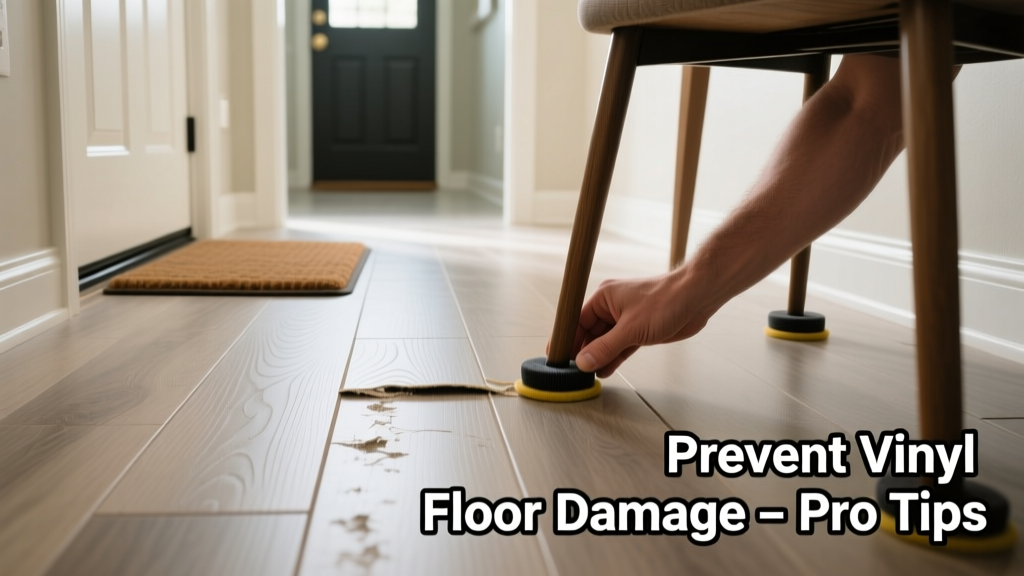
Vinyl flooring is durable, affordable, and stylish—but it’s not indestructible. A single torn seam or lifted edge can worsen fast, trapping moisture, inviting mold, and tripping hazards. Worse, many homeowners mistake early damage for cosmetic wear, delaying action until full replacement is unavoidable. Prevention isn’t just easier—it’s cheaper, safer, and preserves your floor’s warranty.
Why This Happens
Vinyl tears rarely occur without warning. They stem from mechanical stress, environmental strain, or installation flaws. Heavy furniture dragged across the surface creates micro-tears that propagate over time. Temperature swings cause expansion and contraction—especially problematic in rooms without proper acclimation (like sunrooms or garages). According to the National Wood Flooring Association’s 2022 Vinyl Installation Standards, 68% of premature vinyl failures trace back to inadequate subfloor preparation or improper seam welding.
- Dragging heavy appliances or furniture without felt pads
- Exposure to direct sunlight causing UV degradation at edges
- Subfloor moisture above 75% RH (measured with a calcium chloride test)
- Using harsh cleaners with alkaline pH >10, which break down plasticizers
Maintenance Checklist
| Frequency | Task | Tools/Products Needed |
|---|---|---|
| Daily | Sweep or dry-mop high-traffic zones (entryways, kitchens) | Microfiber dust mop, soft-bristle broom |
| Weekly | Damp-mop with pH-neutral cleaner; inspect baseboards for lifting | Diluted Bona Stone, Tile & Laminate Cleaner (pH 7.0) |
| Monthly | Check transition strips and seams with fingernail pressure test | Flashlight, small coin for seam gap measurement |
| Yearly | Hire certified technician to reseal perimeter seams and test subfloor moisture | Moisture meter (e.g., Wagner MMC220), seam sealer (Tarkett Seam Sealer Pro) |
Warning Signs
Catch trouble early: vinyl tearing starts subtly. Look for hairline splits along seams, curling at doorway thresholds, or a faint ‘crackling’ sound when stepping near baseboards. These aren’t just aesthetic—they’re red flags indicating adhesive failure or substrate movement.
- Visible separation >1/32” at welded seams (use a coin edge to gauge)
- Discoloration or chalky residue near edges (sign of plasticizer leaching)
- Floor ‘bubbling’ under radiant heat—indicates trapped vapor beneath
Recommended Products
Not all cleaners or protectants work equally well on luxury vinyl tile (LVT) or sheet vinyl. Avoid anything with ammonia, vinegar, or abrasive scrubbers. Stick with products formulated for resilient flooring—and always verify compatibility with your manufacturer’s warranty.
"Using an incompatible cleaner voids 92% of LVT warranties we see in service calls—most claims are denied because homeowners used 'natural' vinegar solutions thinking they were safer." — Mike R., Certified Resilient Flooring Technician, NALFA, 2023
- pH-neutral cleaners (e.g., Armstrong Once & Done, Shaw R2X)
- Felt furniture pads with adhesive backing (3M Command Felt Pads, rated for 50+ lbs)
- UV-blocking window film for south-facing rooms (learn how to install it)
- Seam sealer compatible with your vinyl brand (check warranty documentation first)
Can area rugs cause vinyl tearing?
Yes—if they have rubber or latex backings. Those materials contain plasticizers that migrate into vinyl, causing embrittlement and cracking underneath. Use only rugs labeled “safe for vinyl” or those with woven cotton, jute, or non-staining polypropylene backings. Rotate rugs every 3 months to prevent localized UV exposure and weight compression.
Does humidity affect vinyl floors?
Absolutely. Vinyl expands with moisture absorption. The U.S. EPA estimates indoor relative humidity above 60% increases seam stress by up to 40% in floating installations. Maintain 35–55% RH year-round using a dehumidifier in basements or a humidifier in winter-heated homes—especially where vinyl meets hardwood or tile transitions.
How often should I replace vinyl floor pads?
Felt pads lose effectiveness after 6–12 months depending on foot traffic. In kitchens or hallways, inspect pads quarterly. Replace any pad showing compression depth >1/8”, fraying, or glue residue loss. Never reuse old pads—even if they look intact—adhesive bonds degrade after one season.
Is it safe to use a steam mop on vinyl?
No. Steam mops exceed vinyl’s safe temperature threshold (140°F) and force moisture into seams. The Vinyl Institute’s 2021 Care Guidelines explicitly warn against steam cleaning, citing a 300% increase in seam delamination among users. Stick to damp mopping with water under 120°F and immediate drying.
Do pets contribute to vinyl tearing?
Clawed pets—especially large dogs—can snag and pull at loose edges during play or scratching. Trim nails every 3–4 weeks and apply vinyl-safe edge protectors (like Roberts 10-043 Edge Guard) in pet-heavy zones. Also avoid letting pets track in grit: sand and gravel act like sandpaper on vinyl surfaces.
Preventing vinyl floor tearing isn’t about perfection—it’s about consistency. Small habits, repeated monthly, extend floor life by 8–12 years beyond typical manufacturer estimates. Start with your next sweep: check one seam in your kitchen. If it gives slightly, reseal it now—not when it’s 3 inches long. Your wallet—and bare feet—will thank you.