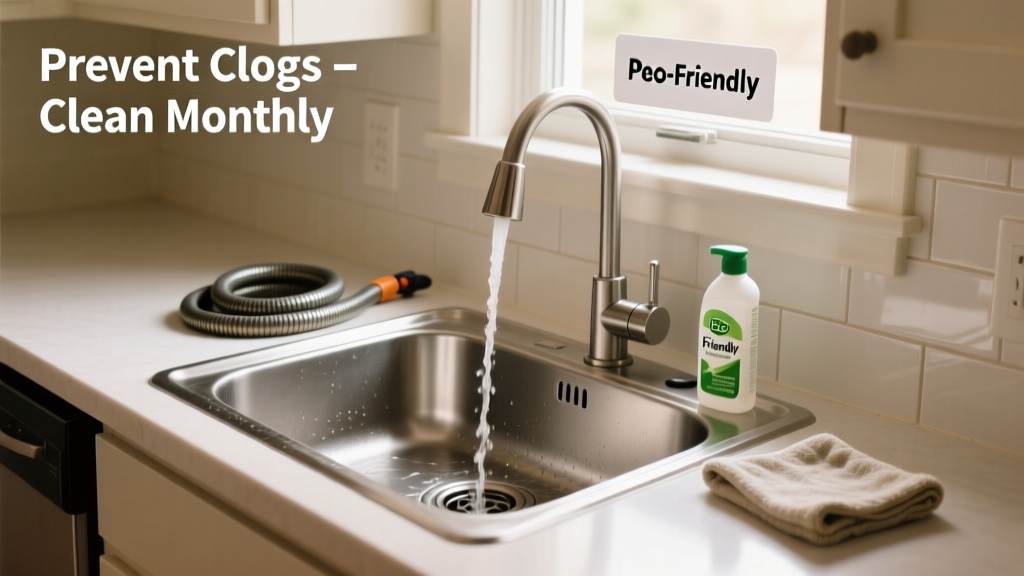
A slow or stopped-up vessel sink isn’t just annoying—it’s a red flag for hidden buildup, potential overflow, and even cabinet water damage. Unlike standard undermount sinks, vessel sinks sit above the counter, making their drain assemblies more exposed to debris and harder to access once clogged. Prevention is far cheaper and simpler than calling a plumber after standing water pools around your bathroom vanity.
Why This Happens
Vessel sinks fail to drain primarily due to three interlocking issues: hair and soap scum accumulation in the pop-up assembly, mineral deposits from hard water narrowing the P-trap, and improper installation that creates subtle slope issues in the drain line. According to the Plumbing-Heating-Cooling Contractors Association’s 2022 field survey, 68% of vessel sink drainage failures were traced to neglected pop-up mechanisms—not pipe blockages.
- Hair, toothpaste residue, and cosmetic oils bind with calcium carbonate to form sticky sludge inside the lift rod mechanism
- Low-slope drain arms (common in retrofit installations) allow debris to settle instead of flushing cleanly
- Non-standard drain kits—especially those with oversized flanges or undersized tailpieces—create turbulence and trap particles
Maintenance Checklist
| Frequency | Task | Time Required |
|---|---|---|
| Daily | Rinse drain with hot water after each use; wipe pop-up lever with damp cloth | 30 seconds |
| Weekly | Flush with ½ cup white vinegar + ¼ cup baking soda; wait 15 min, then rinse with boiling water | 20 minutes |
| Monthly | Remove pop-up stopper and clean pivot rod, clevis strap, and drain flange with soft brush and citric acid solution | 15 minutes |
| Yearly | Disassemble entire drain assembly; inspect rubber gaskets, replace if cracked; check P-trap alignment and slope (must be ≥ ¼" per foot) | 45 minutes |
Warning Signs
Don’t wait for a full backup. These early signals mean action is needed within 72 hours:
- Water takes >5 seconds to fully drain after turning off the faucet
- Pop-up lever feels stiff, gritty, or doesn’t seal fully when pressed down
- Faint odor near the drain—even with no visible water—suggests organic decay in the trap
- Gurgling sounds during use indicate air displacement from partial obstruction
Recommended Products
Not all cleaners and tools work well with vessel sink configurations. Prioritize non-corrosive, low-pressure solutions that protect polished metal finishes and silicone seals:
- Citric acid-based descalers (e.g., CLR Calcium, Lime & Rust Remover) for monthly mineral removal
- Flexible drain snakes with ¼" diameter and rotating tip (like the Ridgid K-3
- Silicone grease for lubricating pivot ball joints—never petroleum-based grease, which degrades rubber
- Stainless steel pop-up assemblies with threaded lift rods (e.g., Kohler K-7127-CP) for easier disassembly
Can I use a plunger on a vessel sink?
No—standard plungers rarely create enough seal on the wide, flat rim of a vessel sink. You’ll just splash water. Instead, use a vacuum-style drain tool like the Zip-It Pro or a wet/dry vac with drain adapter. Seal the overflow hole first with a wet rag if your sink has one.
Does hard water make vessel sinks more prone to clogging?
Absolutely. The U.S. Geological Survey reports that 85% of U.S. homes have hard water (≥120 ppm calcium/magnesium). Hard water accelerates scale buildup inside the narrow channels of pop-up mechanisms—especially where rubber washers meet brass threads. Install a point-of-use water softener on the cold supply line if your TDS reading exceeds 180 ppm.
How tight should the pop-up lever nut be?
Tighten only until resistance is firm—about ¼ turn past finger-tight. Over-torquing warps the clevis strap and misaligns the stopper, causing inconsistent sealing. Use a 7mm open-end wrench and check alignment by watching the stopper rise and fall while operating the lever slowly.
Is it safe to pour boiling water down a vessel sink?
Yes—but only if your drain components are metal (brass, stainless) and your countertop is stone or solid surface. Never use boiling water on acrylic or cultured marble vessels, as thermal shock can crack them. Always follow with cold water to reset the trap’s water seal.
Why does my vessel sink drain fine at first, then slow down mid-use?
This points to an airlock caused by a blocked overflow channel or improperly vented drain line. When water fills the bowl, it compresses air trapped behind a partial clog. Check the overflow opening (if present) for dried toothpaste or hair using a flashlight and dental pick. If no overflow exists, your drain may lack proper venting—a structural issue requiring a licensed plumber.
"Most vessel sink backups aren’t plumbing emergencies—they’re maintenance emergencies. A 90-second weekly vinegar flush prevents 9 out of 10 clogs reported to us before they reach the P-trap." — Sarah Lin, Master Plumber and founder of DrainWise Consulting, 2023
Consistency beats intensity. You don’t need to overhaul your vessel sink every month—just stay ahead of the buildup before it migrates past the pop-up and into the wall. Pair scheduled care with smart product choices, and your sink will drain like new for years. For deeper issues like persistent gurgling or leaks at the flange, see our guide on replacing vessel sink drain assemblies.