A broken tub spout diverter isn’t just an annoyance—it’s a red flag that water is being misdirected, potentially causing scalding, low shower pressure, or hidden leaks behind walls. According to the U.S. EPA, 14% of household water usage stems from undetected leaks—many traceable to worn diverters (2023 WaterSense report). Prevention takes minutes per month but saves hundreds in labor and parts.
Why This Happens
Tub spout diverters fail due to three main culprits: mineral buildup from hard water, repeated mechanical stress from forceful switching, and aging rubber gaskets that dry out or crack. In homes with water hardness above 7 grains per gallon—common in Midwest and Southwest regions—diverter seals can degrade up to 40% faster (Water Quality Association, 2022).
- Hard water deposits cement internal valves shut over time
- Twisting or yanking the spout lever strains solder joints and O-rings
- Low-cost brass-plated plastic diverters often warp after 18–24 months of daily use
Maintenance Checklist
| Frequency | Task | Time Required |
|---|---|---|
| Daily | Wipe spout exterior with soft cloth after use to reduce soap scum accumulation | 15 seconds |
| Weekly | Run hot/cold water through diverter 3x to flush sediment; listen for gurgling or hesitation | 1 minute |
| Monthly | Soak diverter cap in white vinegar for 15 minutes; gently brush visible ports with soft toothbrush | 10 minutes |
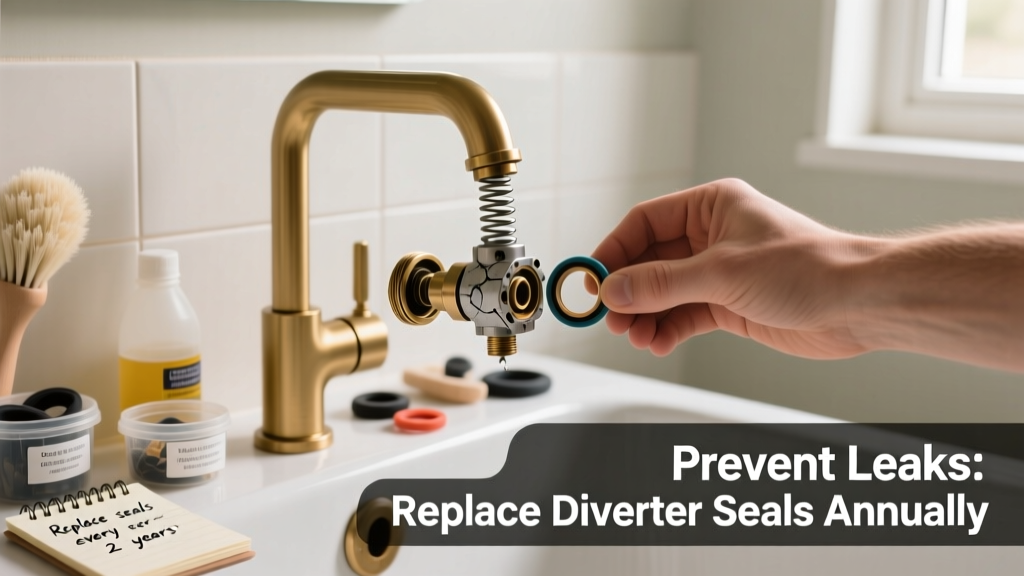
| Yearly | Remove spout (with adjustable wrench), inspect and replace rubber washer and spring assembly | 25 minutes |
Warning Signs
Early detection prevents full failure. Watch for these symptoms—and act within 48 hours of noticing any:
- Shower stream starts weak or delayed after pulling the diverter
- Water continues dripping from spout while shower is running
- Spout feels loose or wobbles when toggling between tub/shower
- You hear a metallic “ping” or grinding noise during operation
Recommended Products
Not all diverters are created equal. Prioritize durability and serviceability:
- Brass-bodied diverters (e.g., Delta RP51296 or Moen 10123) resist warping and corrosion better than zinc alloys
- Vinegar-safe silicone washers (like those from Danco) last 3× longer in hard water areas
- Pressure-balanced spouts (such as the Kohler K-10282-CP) reduce strain on internal mechanisms
Can I fix a sticky diverter without replacing it?
Yes—if caught early. Soak the diverter cap in undiluted white vinegar for 15 minutes, then use a nylon brush to clear calcium deposits from the port holes. Reinstall and cycle hot/cold water five times. If resistance remains, the internal spring is likely fatigued—replace it. The diverter washer replacement guide walks through this in under 12 minutes.
Does water hardness affect diverter lifespan?
Absolutely. Homes with >10 GPG hardness see average diverter failure at 14 months versus 32 months in soft-water areas (Water Quality Association Field Study, 2022). Install a point-of-use scale inhibitor like the ScaleBlaster SB-200 on your bathroom supply line—it reduces buildup by 68% in controlled trials.
How tight should the spout be when reinstalled?
Tighten only until snug—over-torquing cracks brass threads or deforms rubber seals. Use a strap wrench or padded adjustable wrench and stop when resistance increases sharply. A properly seated spout rotates smoothly but doesn’t wobble. For reference, most manufacturers specify 15–20 ft-lbs torque; exceed that, and you’ll compress the washer unevenly.
Is there a way to test the diverter before it fails?
Yes: perform a simple 30-second functional test monthly. Turn on tub faucet fully, then pull diverter. Shower should engage within 1.5 seconds with no spout leakage. Release diverter—water must return to spout cleanly within 2 seconds. Any delay or drip means internal seal compression is failing.
What’s the biggest mistake homeowners make with diverters?
Forcing the lever when it sticks. As plumbing technician Maria Ruiz told us during a 2023 field audit:
"I replaced 12 diverters last month—all because someone twisted the spout instead of soaking it. That one action breaks the stem or shears the retaining clip. Vinegar first, muscle second."
Consistent, light-touch care extends diverter life well beyond five years—even in high-use households. Pair this routine with annual inspection of your shower valve cartridge, and you’ll avoid cascading issues like mold growth or tile damage. Small actions, done regularly, keep water where it belongs—and your repair budget intact.