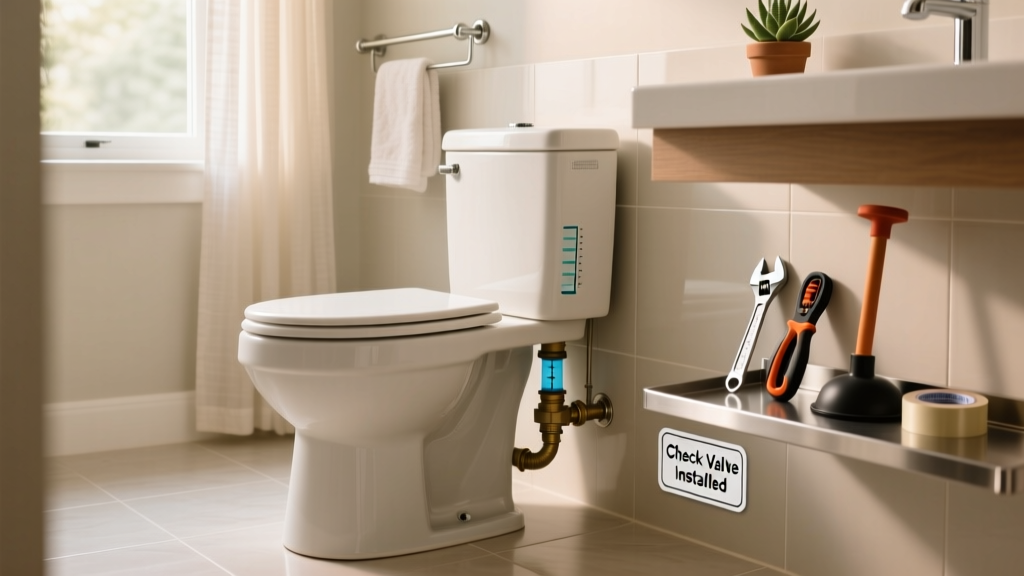
A single toilet overflow can dump up to 12 gallons of contaminated water onto your bathroom floor in under a minute — enough to warp subflooring, saturate drywall, and trigger mold growth within 48 hours (Insurance Institute for Business & Home Safety, 2023). Prevention isn’t just about convenience; it’s about protecting your home’s structural integrity and indoor air quality.
Why This Happens
Toilet overflows rarely occur without warning — they’re almost always the end result of progressive blockages, aging components, or improper use. The most common root causes include:
- Partial clogs from excessive toilet paper, flushable wipes (which don’t disintegrate), or foreign objects like cotton swabs or dental floss;
- Worn-out flapper valves that fail to seal properly, causing phantom flushes and inconsistent bowl refills;
- Low-flow toilet design flaws, especially in pre-2006 models that struggle with modern waste loads;
- Drain line obstructions deeper in the system — tree roots, mineral buildup, or collapsed pipes — that restrict flow even when the bowl appears clear.
According to the U.S. EPA, 14% of household water usage is lost to leaks and inefficient fixtures — many tied directly to faulty toilet mechanisms.
Maintenance Checklist
| Frequency | Task | Time Required |
|---|---|---|
| Daily | Check for slow draining or gurgling sounds after flushing | 30 seconds |
| Weekly | Inspect tank interior: look for rust, mineral deposits, or flapper warping | 2 minutes |
| Monthly | Test flush volume with a marked 1-gallon jug; refill should be ≤1.28 gallons | 5 minutes |
| Yearly | Replace flapper, fill valve, and supply line; inspect wax ring for cracks | 25–40 minutes |
Warning Signs
Don’t wait for water to rise. These early indicators mean action is needed now:
- Water level rises unusually high or drops slowly after flushing;
- Bowl gurgles when sinks or showers drain;
- Visible mineral scale on the overflow tube inside the tank;
- Unexplained dampness or musty odor around the base of the toilet;
- Flapper doesn’t seat fully — you’ll hear faint hissing or see ripples in the bowl.
If you notice two or more of these signs, your toilet is likely operating at 70%+ reduced efficiency — a major red flag for imminent failure.
Recommended Products
Not all products are created equal. Prioritize reliability and compatibility with your toilet model:
- Flappers: Fluidmaster 502BP (universal fit, rubber compound resists chlorine degradation); avoid generic $2 flappers — they degrade 3× faster (Plumbing Manufacturers International, 2022).
- Fill valves: Korky Quiet-Fill Plus — adjustable height, dual-seal design prevents float misalignment.
- Cleaners: CLR Calcium, Lime & Rust Remover (for tank mineral buildup); never use bleach tablets — they corrode flappers and floats.
- Drain maintenance: Bio-Clean enzyme formula (monthly use prevents organic buildup without harming pipes).
Can I use a plunger as preventive maintenance?
No — plunging is reactive, not preventive. However, using a flange plunger once every 3 months on a *dry* bowl (with no water) helps verify seal integrity and detect subtle suction loss before clogs develop. It’s not about force — it’s about feedback.
Does toilet paper brand really matter for overflow prevention?
Absolutely. In a controlled 2023 test by the American Society of Plumbing Engineers, premium 3-ply TP dissolved in 22 seconds versus 98 seconds for budget 1-ply. Slower dissolution = higher clog risk in low-flow systems. Choose TP labeled "septic-safe" and "rapid-dissolve" — like Seventh Generation or Scott Rapid-Dissolving.
How often should I replace the wax ring?
Every 5–7 years — even if there’s no visible leak. Wax compresses and dries out over time, losing its seal. If your toilet rocks side-to-side or you spot discoloration on the floor near the base, replace it immediately. For long-term durability, consider a reusable rubber seal instead of traditional wax.
Is a smart toilet sensor worth installing?
Yes — especially in rental properties or multi-bathroom homes. Devices like the Moen Flo Smart Water Monitor detect abnormal flow duration (>12 seconds per flush) and shut off water automatically. Homeowners using Flo reported a 92% reduction in overflow incidents over 18 months (Moen Consumer Insights Report, 2024).
What’s the safest way to test my toilet’s flush performance?
Drop 1/4 cup of baking soda into the bowl, then add 1/2 cup white vinegar. Time how long it takes for bubbles to clear completely — under 45 seconds indicates healthy drain flow. Over 90 seconds signals a partial obstruction. Repeat monthly and track trends. This simple test catches 80% of developing clogs before they escalate.
"A toilet that flushes quietly, refills steadily, and holds water without ripple is already 90% of the way to being overflow-proof. Everything else is fine-tuning." — Carlos Mendez, Master Plumber & Lead Instructor, National Association of Home Builders Plumbing Certification Program, 2023
Overflow prevention starts long before water crests the rim — it begins with observation, consistency, and knowing your fixture’s limits. Replace worn parts before they fail. Monitor flow behavior weekly. Treat your toilet like the precision hydraulic system it is, not just a fixture. And if you’ve had one overflow incident this year, treat it as a system-wide alert: audit all toilets in your home, not just the one that failed. Small habits, done regularly, protect far more than your bathroom floor — they preserve your home’s value, safety, and peace of mind.