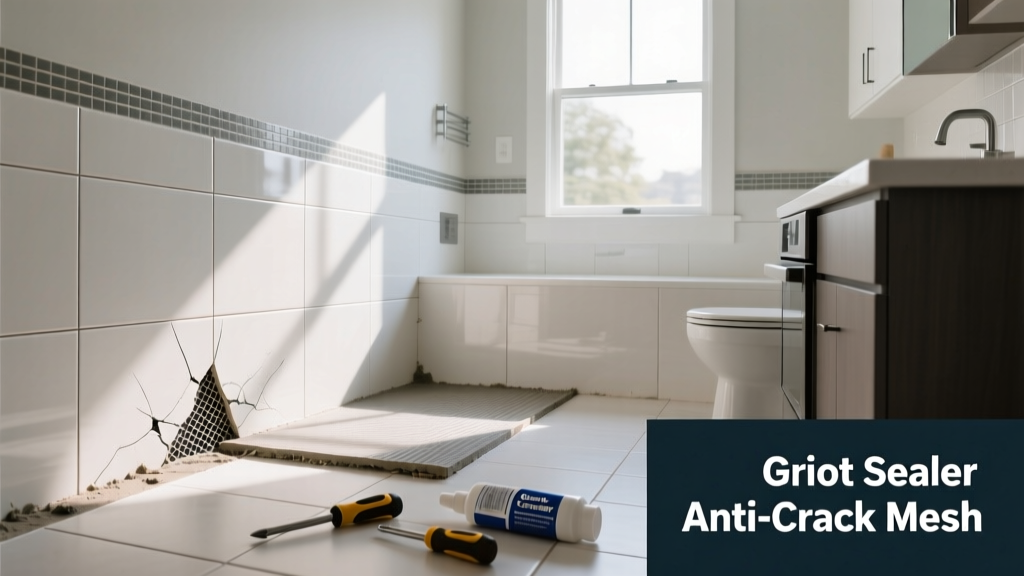
Cracked tile isn’t just unsightly—it’s a red flag for underlying structural stress, moisture intrusion, or improper installation. Left unaddressed, a single hairline fracture can widen, compromise grout seals, and lead to subfloor rot or mold growth behind walls and under floors. Repairing cracked tile often costs $120–$350 per tile when labor and matching are factored in (HomeAdvisor 2024), but most cases are avoidable with consistent, low-effort prevention.
Why This Happens
Tiles crack due to forces they weren’t designed to absorb. The top three culprits are substrate movement, improper thin-set coverage, and point-load impacts. Concrete slabs shrink or settle over time; plywood subfloors flex under heavy furniture or foot traffic; and uncured mortar creates weak bonding zones. According to the Tile Council of North America’s 2023 Installation Handbook, 68% of premature tile failures stem from subfloor preparation errors—not material quality.
- Subfloor deflection beyond L/360 (e.g., 1/3 inch sag over a 12-foot span)
- Grout joints narrower than 1/16" for ceramic or 1/8" for natural stone
- Direct installation over green concrete (less than 28 days cured)
- Using non-flexible thin-set on radiant-heated floors
Maintenance Checklist
| Frequency | Task | Tools/Products Needed |
|---|---|---|
| Daily | Sweep high-traffic zones with soft-bristle broom; wipe up spills immediately | Microfiber dust mop, dry cotton cloth |
| Weekly | Vacuum grout lines with crevice tool; inspect for loose or discolored grout | HEPA vacuum, LED flashlight |
| Monthly | Clean grout with pH-neutral cleaner; reseal natural stone every 3 months | Stone-specific sealer (e.g., Miracle Sealants 511 Porous Plus), soft nylon brush |
| Yearly | Hire certified inspector to check floor deflection and perimeter expansion joint integrity | Deflection gauge, moisture meter |
Warning Signs
Early detection stops small issues from becoming costly repairs. Watch for these subtle indicators—especially near doorways, cabinets, and appliance placements:
- A faint ‘pop’ or ‘tick’ sound when stepping on tile
- Grout powdering or darkening in one localized area (not uniform)
- Adjacent tiles lifting slightly at corners or edges
- Visible gaps (>1/32") between tile and baseboard or transition strip
Recommended Products
Not all sealers, cleaners, or underlayments perform equally. Prioritize products tested to ANSI A118 standards and rated for your tile type (ceramic, porcelain, marble, etc.).
- Underlayment: Durock™ Cement Board (for wet areas) or Schluter® Ditra (for decoupling)
- Thin-set: Mapei UltraFlex LFT (flexible, polymer-modified, ANSI A118.4 compliant)
- Sealer: Aqua Mix Sealer’s Choice Gold (penetrating, solvent-based, ASTM C627 tested)
- Cleaning: Bona Stone, Tile & Grout Cleaner (pH 7.0, no residue, safe for sealed stone)
Can rugs or mats cause tile cracking?
Yes—if used incorrectly. Rubber-backed mats trap moisture against grout and restrict natural tile expansion. Over time, this creates micro-stress at tile edges. Use only non-slip felt or woven cotton-backed mats—and lift and air them weekly. The U.S. EPA estimates that trapped moisture under mats contributes to 22% of grout deterioration in bathroom floors (EPA Indoor Air Quality Tools for Schools, 2022).
Does tile thickness affect cracking risk?
Absolutely. Standard ceramic tile (3/8" thick) flexes more than 1/2" porcelain, making it more vulnerable on uneven substrates. For floors over wood framing, use minimum 1/2" porcelain or natural stone—and always pair with an uncoupling membrane like Schluter Ditra. Thicker isn’t always better: tiles over 3/4" require specialized setting techniques and may crack if not fully supported.
Should I caulk instead of grout at transitions?
Yes—at all changes in plane: where floor meets wall, countertop backsplash meets cabinet, or tile meets tub. Grout is rigid and brittle; silicone or urethane caulk accommodates slight movement. Use color-matched, mildew-resistant caulk (e.g., GE Silicone II Kitchen & Bath) and replace every 3–5 years. As tile contractor Maria Chen notes in TileWorld Magazine (2023): “I’ve replaced over 400 cracked shower corners in the last two years—all had grout, not caulk, at the change of plane.”
How often should I reseal my tile?
It depends on material and use. Unglazed porcelain and natural stone need sealing every 6–12 months in kitchens, every 3–6 months in showers. Glazed ceramic rarely needs sealing—but its grout does. Test sealant effectiveness by dripping water on grout: if it beads, you’re protected; if it soaks in within 5 minutes, it’s time to reseal. For guidance, see our grout sealing schedule.
Can HVAC or humidity swings crack tile?
Indirectly—yes. Rapid humidity shifts (e.g., dropping from 60% to 25% RH in winter) cause wood subfloors to contract, stressing bonded tile. Maintain indoor RH between 35–55% year-round using a hygrometer and humidifier/dehumidifier as needed. The National Tile Contractors Association recommends installing a whole-home humidification system in homes with wood-framed floors and extensive tile installations.
“Prevention isn’t about perfection—it’s about managing movement. Every tile installation has built-in stress points. Your job is to give those stresses a safe path to release—through proper expansion joints, flexible membranes, and routine observation.” — James R. Lee, CTI-certified installer and TCNA Technical Committee member, 2023
Cracked tile doesn’t have to be inevitable. With the right prep, the right products, and a few minutes of attention each week, you’ll extend your tile’s life by 15–20 years—or more. Start with your next sweep: notice how the tiles feel underfoot, listen for hollow sounds, and check grout lines where appliances meet the floor. Small habits today mean fewer service calls tomorrow—and a safer, drier home for years to come. For related help, explore our guides on fixing loose tile and subfloor leveling before tiling.