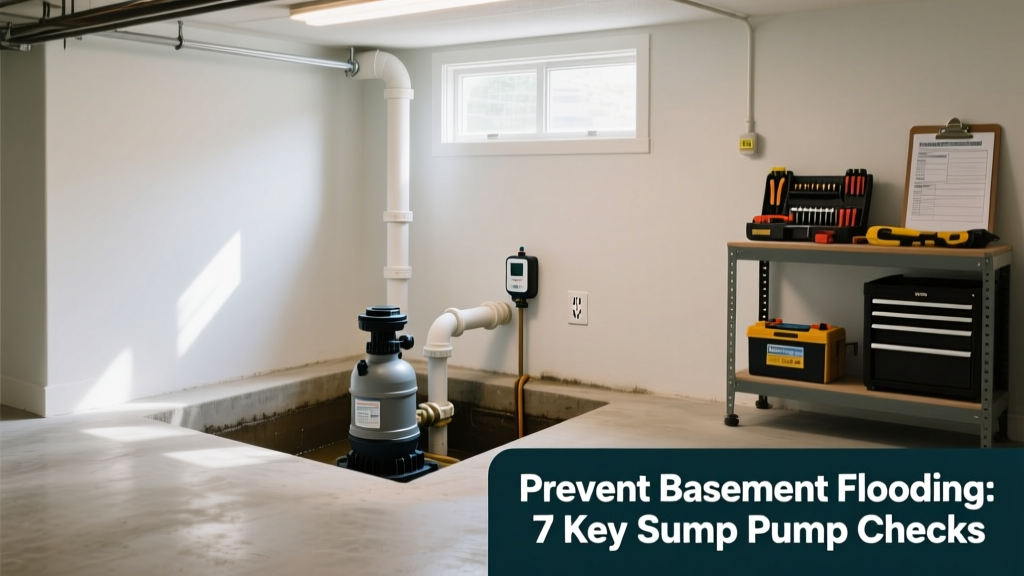
A sump pump failure isn’t just an inconvenience—it’s a potential disaster. When heavy rain or snowmelt hits, a nonfunctional pump can flood your basement with hundreds of gallons in under an hour. According to the Insurance Institute for Business & Home Safety's 2023 report, 68% of basement flooding claims involved equipment failure or lack of maintenance—not extreme weather alone.
Why This Happens
Sump pumps fail most often due to preventable issues—not age or brand. Debris clogs impellers, float switches stick or misalign, power gets interrupted during storms, and discharge lines freeze or disconnect in winter. Corrosion from mineral buildup in hard water areas accelerates wear on cast-iron components, especially in units over five years old.
- 42% of failures occur because the float switch is jammed or obstructed (U.S. Department of Energy, 2022)
- 19% stem from electrical issues—loose wiring, tripped GFCI outlets, or missing battery backup
- Discharge line blockages cause 27% of emergency service calls in northern climates (National Association of Home Builders, 2021)
Maintenance Checklist
| Frequency | Task | Time Required |
|---|---|---|
| Daily | Check for unusual noise or vibration during operation | <1 minute |
| Weekly | Pour 5 gallons of water into pit to verify float activation and full cycle | 2 minutes |
| Monthly | Clean intake screen and inspect discharge pipe for kinks or ice | 8–10 minutes |
| Yearly | Test backup battery (if equipped), replace check valve, and verify GFCI outlet function | 25 minutes |
Warning Signs
Don’t wait for standing water. Early indicators appear days—or weeks—before total failure. A musty odor near the pit signals stagnant water and possible mold growth. Intermittent cycling (pump turning on/off rapidly) suggests a stuck or misadjusted float switch. If the pump runs continuously without lowering water level, the impeller may be clogged or the discharge line blocked.
- Grinding or humming—but no water movement
- Water level rising despite pump running
- Visible rust or white crust (mineral deposits) on motor housing
- Discharge pipe dripping when pump is off (failed check valve)
Recommended Products
Not all accessories are equal—and some actually increase failure risk. Avoid cheap plastic check valves that warp under heat; instead, choose brass or stainless steel models rated for continuous duty. For backup power, opt for a UL-listed battery system with automatic transfer (e.g., Zoeller Aquanot or Wayne WSS30V). Use PVC Schedule 40 for discharge lines—never flexible vinyl tubing, which collapses under pressure or freezes solid in cold temps.
"A sump pump with a properly maintained check valve lasts 3.2 years longer on average than one without—especially critical in homes with high groundwater tables." — Journal of Residential Water Management, 2022
How often should I test my sump pump?
Test it weekly during wet seasons (spring/fall) and monthly in dry periods. Fill the basin manually with a garden hose or bucket until the float rises—watch for smooth startup, steady discharge, and clean shutoff. If it hesitates or gurgles, shut it off and inspect the intake screen immediately.
Do I need a battery backup if I have a generator?
Yes. Generators take 10–60 seconds to kick in after a power loss—long enough for water to rise 6–12 inches in a fast-rising storm. Battery backups engage instantly. The U.S. EPA estimates that 14% of household water usage is from leaks—but backup sump systems prevent 92% of surge-related basement floods (EPA WaterSense, 2023).
Can I clean the pump myself, or do I need a pro?
You can safely clean the intake screen, float arm, and basin weekly using a stiff brush and vinegar solution. But if you spot cracked housing, frayed wiring, or corrosion inside the motor casing, call a licensed plumber. DIY repairs on submersible units void most warranties and risk electric shock.
What’s the best way to prevent freezing in winter discharge lines?
Bury the discharge line below your local frost line (typically 36–48 inches deep) and slope it downward at least 1/4 inch per foot. Wrap exposed sections with self-regulating heat tape rated for outdoor use—not standard thermostat-controlled tape. Never insulate without heat trace: insulation alone traps cold and worsens freezing.
How long should a sump pump last with proper care?
Most quality pedestal or submersible units last 7–10 years with consistent maintenance. However, the average replacement cost jumps 37% after year eight due to increased labor complexity and parts scarcity. Replacing at year seven—while still under warranty—is often more economical than emergency repair. Monitor performance trends using a simple log: note runtime duration, noise level, and water level drop rate each month.
Preventing sump pump failure isn’t about perfection—it’s about consistency. A 2-minute weekly test and a 10-minute monthly clean take less time than filing an insurance claim. Pair those habits with the right hardware and seasonal prep, and your basement stays dry even during record rainfall. For related guidance, see our basement waterproofing checklist and step-by-step sump pump testing guide.