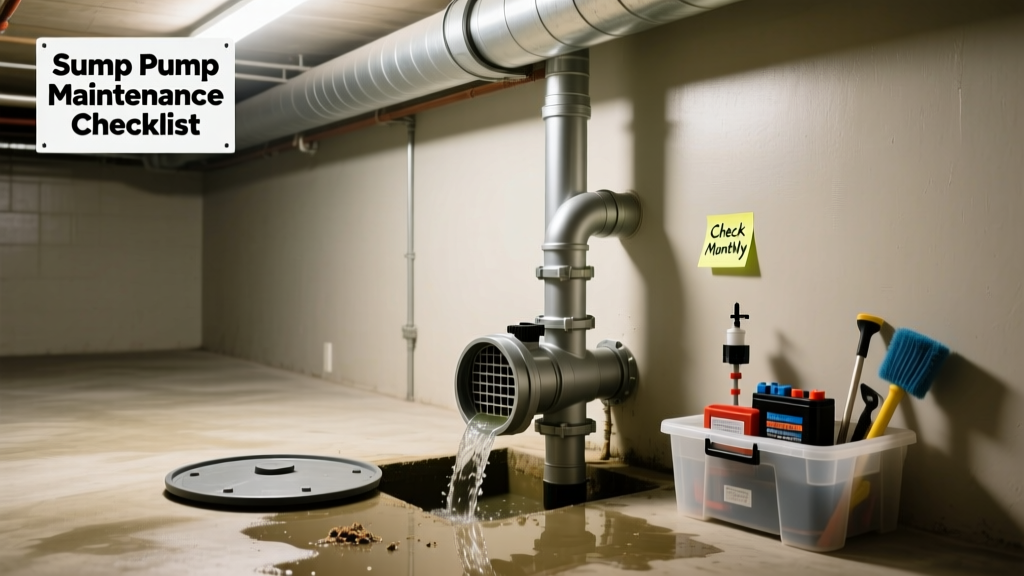
A clogged sump pump doesn’t just fail quietly—it fails catastrophically, often during heavy rain when you need it most. According to the Insurance Institute for Business & Home Safety's 2023 report, 68% of sump pump failures stem from debris blockage or improper maintenance—not equipment age. That means most basement floods are preventable.
Why This Happens
Sump pumps clog because they’re designed to handle water—not sediment, stringy fibers, gravel, or organic debris. Over time, soil particles wash into the pit from foundation drains; laundry lint and hair enter via floor drains; and roots or rust flakes break loose from older pipes. Even small amounts of sand or silt can jam the impeller or float switch mechanism.
- Gravel and sediment washing in from perimeter drain tiles
- Fibrous debris (lint, pet hair, carpet fibers) entering through open floor drains
- Rust or mineral scale buildup inside discharge pipes
- Root intrusion from nearby trees seeking moisture in drain lines
Maintenance Checklist
| Frequency | Task |
|---|---|
| Daily | Listen for unusual humming or clicking—signs the motor is straining or the float is stuck |
| Weekly | Pour 5 gallons of clean water into the pit to verify automatic activation and full discharge cycle |
| Monthly | Clean the inlet screen and float switch arm with a soft brush; inspect for slime or grit buildup |
| Yearly | Remove pump, flush discharge line with vinegar solution, replace backup battery if applicable, and test with a multimeter |
Warning Signs
Early detection saves thousands. Don’t wait for standing water. Watch for:
- Water level rising but no pump activation (stuck float)
- Gurgling or grinding noise during operation (impeller obstruction)
- Discharge pipe dripping or weeping instead of steady flow (partial clog)
- Visible debris on the grate or around the pump base
Recommended Products
Not all accessories are equal. Prioritize function over features:
- Stainless steel inlet screens (e.g., Zoeller Z107-0001) resist corrosion and trap particles >1/8″
- Non-clog impeller pumps like the Wayne WSS30V handle up to 1/2″ solids without binding
- Vinegar-based descaling kits (such as CLR Power Plumber) dissolve calcium and iron deposits in PVC discharge lines
- Backup battery systems with auto-sensing (e.g., Basement Watchdog BW4000) trigger before primary failure
Can I use bleach to clean my sump pump?
No. Bleach corrodes rubber seals, degrades plastic housings, and reacts dangerously with metal components. The U.S. EPA estimates that 14% of household water usage is from leaks—including those caused by chemical damage to plumbing parts. Use white vinegar diluted 1:1 with water instead.
How often should I replace the sump pump?
Most last 7–10 years with proper care—but lifespan drops sharply if clogs go unaddressed. A 2022 study by the National Association of Home Builders found pumps maintained monthly lasted 3.2 years longer on average than neglected units.
Does a battery backup prevent clogs?
No—but it buys time. A backup won’t clear a clog, but it keeps the pump running long enough to alert you or activate secondary drainage. Pair it with backup battery installation best practices and regular cleaning.
What’s the best way to keep debris out of the pit?
Install a solid, perforated lid with 1/4″ openings over the sump pit—and seal gaps between lid and concrete with silicone caulk. Also, redirect downspouts away from foundation drains and install floor drain strainers in nearby utility areas.
Can tree roots really clog my sump system?
Yes—and they’re more common than you think. Roots follow moisture into cracked perimeter drain tiles. The University of Minnesota Extension (2021) documented root intrusion in 22% of sump-related service calls in homes over 25 years old. If your pump cycles frequently in dry weather, suspect root blockage.
"A sump pump isn’t ‘set and forget’—it’s ‘test and clean.’ We see three times more flood claims from clogged pumps than from power loss alone." — Certified Master Plumber, Chicago Flood Response Team, 2023
Prevention isn’t about perfection—it’s about consistency. A five-minute monthly check prevents $5,000 in mold remediation or drywall replacement. Start with the weekly water test this weekend. Then, move on to cleaning the float switch—add it to your seasonal waterproofing checklist and track progress in a simple notebook or app. Your basement, and your peace of mind, will stay dry.