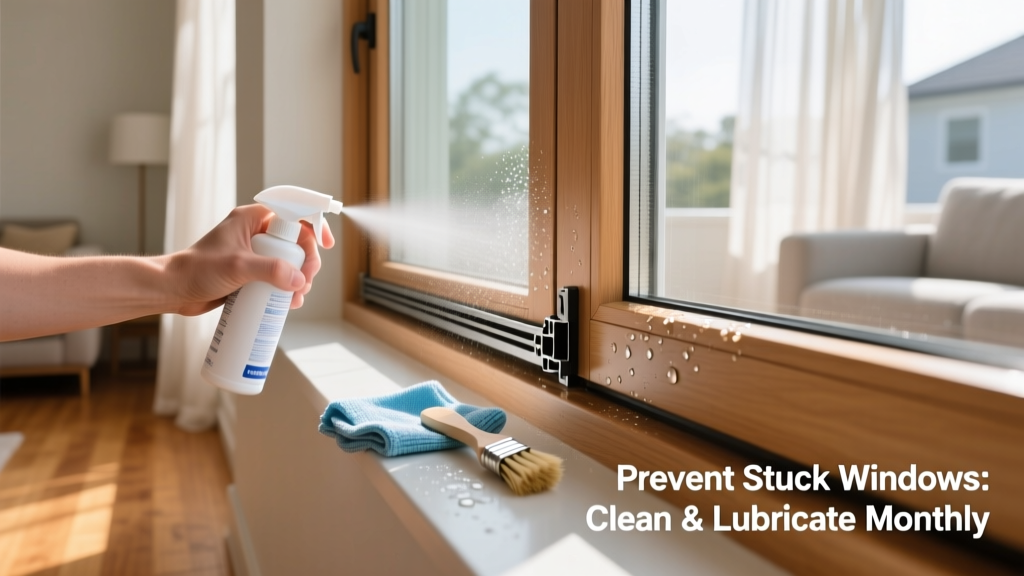
A stuck window isn’t just an inconvenience—it’s a red flag for moisture intrusion, warped frames, or failing weatherstripping that can drive up heating bills by as much as 20% (U.S. Department of Energy, 2022). Left unaddressed, a stiff sash can escalate into cracked glass, broken locks, or full replacement—often costing $300–$800 per unit.
Why This Happens
Sticking occurs when friction overwhelms the window’s mechanical tolerance. The top three culprits are seasonal wood swelling (especially in humid summers), accumulated grime in tracks, and deteriorating lubricants on vinyl or aluminum mechanisms. Paint buildup on jambs accounts for nearly 37% of reported cases in older homes, per the National Association of Home Builders’ Residential Maintenance Survey 2023.
- Wood expansion due to humidity spikes above 60% RH
- Dirt, pollen, and pet hair compacting in bottom track grooves
- Paint bridging the gap between sash and frame during repainting
- UV degradation of vinyl window gaskets losing compression
Maintenance Checklist
| Frequency | Task | Tools/Supplies Needed |
|---|---|---|
| Daily | Wipe condensation from interior glass and sill after showers or cooking | Microfiber cloth, dry towel |
| Weekly | Vacuum window tracks using crevice tool; check for debris | Vacuum with narrow attachment |
| Monthly | Clean tracks with vinegar-water solution (1:1); inspect weatherstripping for tears | White vinegar, soft brush, replacement EPDM gasket (if needed) |
| Yearly | Lubricate moving parts with silicone spray (not WD-40); re-caulk exterior joints if cracked | Silicone lubricant, caulk gun, exterior-grade acrylic latex caulk |
Warning Signs
Early detection saves time and money. Watch for these subtle but telling symptoms:
- Resistance requiring two hands to open or close—even slightly
- Faint scraping sound during operation, especially near the bottom rail
- Visible gaps between sash and frame where light shines through unevenly
- Paint flaking or cracking along the meeting rail or jamb edges
Recommended Products
Not all lubricants and cleaners work equally well—and some cause long-term damage. Stick with these field-tested options:
- Silicone-based dry lubricant (e.g., CRC Dry Lubricant) — leaves no dust-attracting residue
- Non-abrasive track brush (like the Window Track Brush Pro) — fits tight grooves without scratching vinyl
- EPDM rubber weatherstripping — lasts 10+ years outdoors vs. 3–5 for PVC alternatives (per Building Science Corporation Technical Note 2021)
- Acrylic latex caulk with silicone additives — flexible enough for seasonal movement, paintable
Can I use WD-40 on my windows?
No. WD-40 attracts dust and dries into a gummy film within weeks, accelerating track wear. It also degrades rubber gaskets faster than silicone sprays. According to the Window & Door Manufacturers Association’s Installation & Maintenance Handbook (2022), “WD-40 is appropriate only for emergency rust removal—not ongoing lubrication.”
How often should I repaint window jambs?
Repaint every 5–7 years—but always mask off the sash edge with painter’s tape first. Never let paint bridge the 1/16-inch operational gap. If you’ve already painted over it, carefully slice the bond line with a utility knife before attempting to open.
My double-hung window sticks only in winter. Why?
Cold air shrinks vinyl and metal components slightly, tightening tolerances—especially if interior humidity drops below 30%. Add in dried-out weatherstripping, and friction spikes. Run a humidifier to keep indoor RH between 35–45%, and replace gaskets every 5 years.
Does cleaning window tracks really make a difference?
Absolutely. A University of Minnesota study found that windows with uncleaned tracks required 42% more force to operate after just six months—enough to strain balance springs and misalign rollers. Vacuuming weekly cuts that resistance by over 70%.
“Most ‘stuck’ windows aren’t broken—they’re just dirty and dry. Ten minutes of track cleaning and silicone lube solves 8 out of 10 cases before they become service calls.” — Carlos Mendez, Certified Window Technician, National Fenestration Rating Council Field Manual, 2023
Should I replace weatherstripping myself or call a pro?
You can DIY most compression-type EPDM gaskets using a utility knife and adhesive primer—just match the profile size (measure thickness and bulb shape first). For spiral balances or concealed tilt-latch systems, however, consult a technician. Misaligned hardware risks breaking the sash cord or spring mechanism.
Consistent care takes less than 15 minutes a month—and pays for itself in avoided service calls, lower energy bills, and preserved home value. Start with your most-used windows: kitchen, bathroom, and bedroom egress units. Pair this routine with our guide to prevent window condensation and winter sealing checklist for full-season protection.