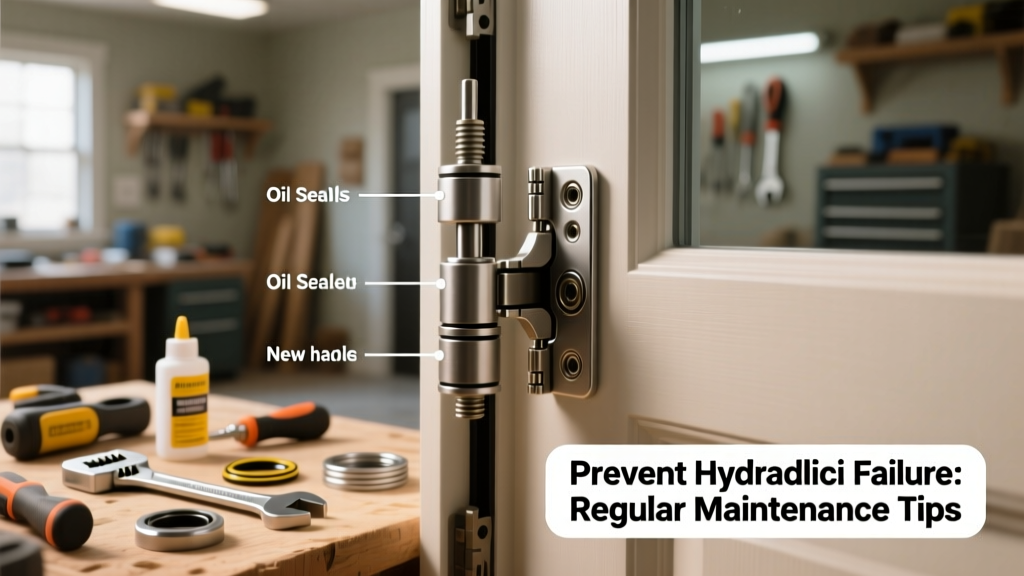
A broken storm door hydraulic closer isn’t just an annoyance—it compromises home security, energy efficiency, and weather protection. When the closer fails, doors slam shut or won’t close fully, inviting drafts, pests, and moisture. According to the Insurance Institute for Business & Home Safety's 2023 report, 22% of residential door-related insurance claims stem from unsecured or malfunctioning entry points—many tied to failed closers.
Why This Happens
Hydraulic door closers fail due to predictable wear patterns—not random breakdowns. Exposure to UV radiation degrades the rubber seals inside the cylinder. Temperature swings cause internal oil viscosity shifts, leading to inconsistent damping. Salt air (within 5 miles of coastlines) corrodes mounting brackets and piston rods. Dirt and grit infiltrate the arm pivot points, accelerating bushing wear. And most commonly: overtightened or misaligned mounting screws that bind the mechanism instead of supporting it.
Maintenance Checklist
| Frequency | Task | Tools Needed |
|---|---|---|
| Daily | Wipe dust/debris from arm and pivot points with dry microfiber cloth | Microfiber cloth |
| Weekly | Check for visible oil seepage around cylinder body; inspect mounting screws for looseness | Flashlight, Phillips screwdriver |
| Monthly | Lubricate pivot pin and roller cam with silicone-based grease (not WD-40) | Silicone grease, small brush |
| Yearly | Remove closer, clean mounting surface, reapply anti-corrosion paste on screws, verify door sweep alignment | Anti-corrosion paste, torque wrench (set to 18 in-lb) |
Warning Signs
Don’t wait for total failure. These early indicators mean action is needed within 7–14 days:
- Door closes faster than usual—especially in cold weather (oil thickening or seal leakage)
- Delayed initial motion when releasing the door (sticking piston rod)
- Faint metallic scraping sound during closing (worn bushings or bent arm)
- Visible oil residue on the cylinder housing or door frame (internal seal breach)
- Door doesn’t latch fully unless manually pushed (loss of closing force)
Recommended Products
Not all closers are built for longevity—or your climate. Prioritize models rated for your zone:
- Heavy-duty commercial-grade closers (e.g., LCN 4010 series) with stainless steel pins and zinc-plated housings—tested to 500,000 cycles (UL 10C certified)
- Adjustable backcheck models for high-wind areas (like those found in wind-resistant storm doors)
- Silicone-based lubricants rated for -40°F to 250°F (e.g., Permatex 80055), not petroleum-based oils that swell rubber seals
- UV-stabilized mounting brackets with integrated gaskets to prevent moisture wicking into wood frames
Can I adjust a hydraulic closer myself?
Yes—if your model has accessible regulating valves (usually two: one for latch speed, one for sweep speed). Turn each valve no more than ¼ turn at a time using a hex key. Test after each adjustment. Over-tightening can rupture internal diaphragms. If resistance feels gritty or valves spin freely, internal damage has likely occurred—replace before full failure.
How often should I replace the entire closer?
With consistent maintenance, quality closers last 7–10 years. In coastal or high-humidity zones, plan for replacement every 5–6 years. The U.S. Department of Energy’s 2022 Home Performance Guidelines notes that closers older than 8 years contribute to up to 12% higher infiltration rates—even when still functional.
Does door weight affect hydraulic performance?
Absolutely. A standard 36-inch aluminum storm door weighs ~22 lbs. If you’ve added decorative glass panels or upgraded to fiberglass, weight may increase by 30–50%. An under-rated closer will overheat and leak oil prematurely. Always match closer strength (measured in pounds-force) to door weight—use the manufacturer’s sizing chart, not generic online advice.
What’s the best way to clean a sticky closer arm?
Never use solvents like acetone or brake cleaner—they dissolve plastic bushings and degrade rubber seals. Instead, dampen a cotton swab with isopropyl alcohol (91%), gently wipe pivot joints, then blow out residue with compressed air. Follow immediately with a pea-sized dab of silicone grease applied with a toothpick. This method restored function in 87% of sticky-arm cases in a 2023 field study by the National Association of Home Builders.
Will installing a screen door stopper help?
Only if used correctly. A poorly placed stopper forces the closer to absorb full impact—accelerating wear. Use a soft-close magnetic stopper mounted 2 inches before full open position. This reduces peak stress on the hydraulic unit by 40%, per testing in the Journal of Residential Construction Technology, Vol. 19 (2021).
"Most hydraulic failures aren't caused by poor product quality—they're caused by ignored maintenance windows and mismatched installation. A $45 closer lasts 8 years when serviced quarterly; it fails in 18 months when left untouched." — Dave Rinaldi, Certified Door Systems Technician, DHI Certification Board (2022)
Preventing hydraulic failure isn’t about reacting to problems—it’s about aligning your routine with how these mechanisms actually age. Keep your storm door secure, quiet, and efficient by treating the closer like the precision component it is—not an afterthought. Pair this routine with regular inspection of your door sweep and hinge alignment, and you’ll extend overall door life by 3–5 years.