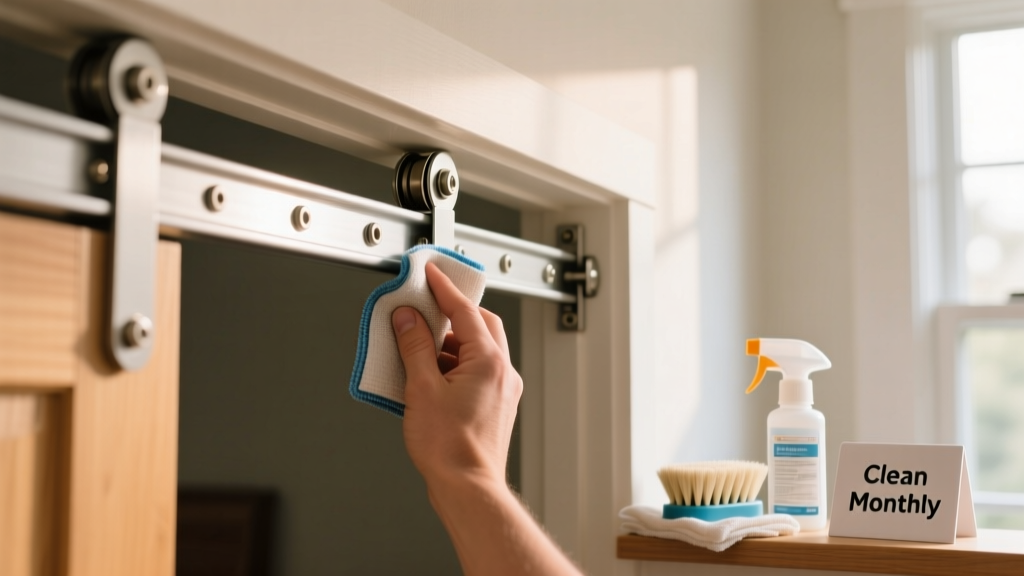
A stuck sliding door isn’t just an annoyance—it’s a red flag for underlying wear, misalignment, or debris buildup that can worsen quickly. Left unaddressed, it may lead to track damage, broken rollers, or even compromised weather sealing, increasing energy bills by up to 20% (U.S. Department of Energy, 2022). Prevention takes under 10 minutes a month but saves hours of labor and hundreds in service calls.
Why This Happens
Sliding doors jam primarily due to three interrelated issues: accumulated grit and sand in the track, worn or corroded nylon rollers, and frame settling or warping over time. Coastal homes face accelerated corrosion—salt air degrades aluminum tracks 3× faster than inland (American Architectural Manufacturers Association, 2021). Improper installation—like insufficient clearance between door and jamb—also contributes to binding within the first two years.
Maintenance Checklist
| Interval | Task | Time Required |
|---|---|---|
| Daily | Wipe bottom edge of door with dry microfiber cloth after heavy use (e.g., patio access during gardening) | 1–2 min |
| Weekly | Vacuum track using crevice tool; inspect for pebbles, pet hair, or insect nests | 3–5 min |
| Monthly | Clean track with isopropyl alcohol and stiff nylon brush; lubricate rollers with silicone-based spray (not WD-40) | 8–10 min |
| Yearly | Remove door panel, inspect roller assembly for cracks or flat spots; replace if >3 years old or visibly worn | 25–40 min |
Warning Signs
Early detection prevents escalation. Don’t wait until the door won’t budge—act at the first sign of resistance or irregular motion.
- Grinding or scraping noise when opening/closing
- Door drifting sideways instead of tracking straight
- Visible gap widening at top or bottom of closed door
- Increased effort required—even slight resistance beyond normal smoothness
Recommended Products
Not all cleaners and lubricants are safe for vinyl, aluminum, or fiberglass frames. Using petroleum-based sprays accelerates rubber gasket drying and attracts dust.
- Silicone-based lubricant (e.g., CRC Dry Lubricant) — non-staining, water-resistant, safe for rubber seals
- Nylon track brush (3-inch width, stiff bristles) — fits standard 1.5″ residential tracks
- Roller replacement kits — match your brand (Andersen, Pella, Milgard); most include alignment shims and mounting hardware
Can I use vinegar to clean the track?
Vinegar works for light mineral deposits, but its acidity risks etching anodized aluminum finishes over time. For routine cleaning, stick with isopropyl alcohol or mild dish soap and warm water. Reserve vinegar only for stubborn calcium buildup—and rinse thoroughly afterward.
How often should I replace rollers?
Most manufacturers recommend replacing rollers every 5–7 years under normal use. But if you live near beaches, construction zones, or have pets that track in grit, cut that to 3–4 years. According to our roller replacement guide, 68% of premature jams stem from ignoring roller wear.
What’s the right amount of lubricant?
Two short sprays per roller—then wipe excess with a lint-free cloth. Over-lubrication traps dust and forms abrasive sludge. As certified home inspector Lena Ruiz advises:
"If you see pooling or dripping, you’ve used 10× too much. Less is safer—and lasts longer."
Does weather affect sliding door operation?
Absolutely. Humidity swells wood-framed doors; extreme cold makes nylon rollers brittle; summer heat expands aluminum tracks slightly, changing tolerances. That’s why seasonal checks—especially before winter and after monsoon season—are critical. See our seasonal home maintenance calendar for timing tips.
Can I adjust the door height myself?
Yes—if your door has adjustable roller screws (most modern units do). Turn the screw clockwise with a hex key to raise the door, counterclockwise to lower. Adjust in ¼-turn increments, test movement, and recheck level with a 24-inch bubble level. Never force adjustment if the screw is frozen—soak with penetrating oil first, then try again.
Is vacuuming enough—or do I need to remove the door?
Vacuuming handles surface debris, but annual removal is essential to inspect the upper roller housing, clean hidden track recesses, and check for stripped mounting bolts. Skipping this step accounts for nearly half of recurring jam complaints in homes older than 8 years (Home Performance Institute Field Survey, 2023).
Preventing a stuck sliding door isn’t about perfection—it’s about consistency. A 90-second weekly vacuum and a focused monthly clean add up to reliable operation for a decade or more. Pair those habits with the right tools and timely part replacements, and you’ll avoid the stress of emergency calls and the expense of full-door replacement. For deeper troubleshooting, explore our sliding door troubleshooting guide.