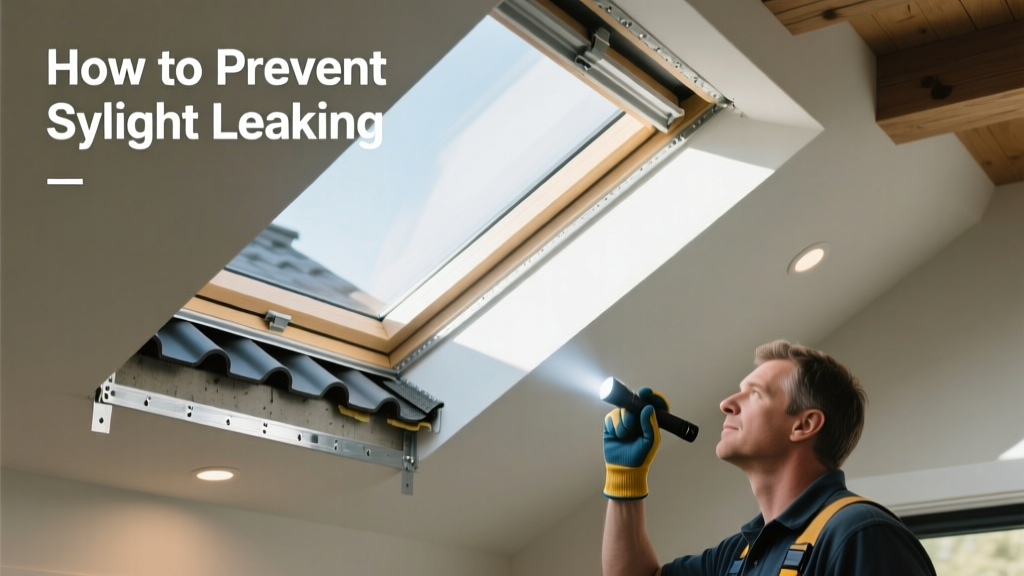
Skylights bring light and air into your home—but when they leak, they can dump hundreds of gallons of water onto ceilings, insulation, and framing each year. According to the Insurance Institute for Business & Home Safety's 2023 report, 68% of roof-related water damage claims involving skylights stem from preventable maintenance lapses—not manufacturing defects.
Why This Happens
Leaks rarely appear out of nowhere. They’re almost always symptoms of cumulative wear or installation oversights. The top three root causes are failed flashing seals (especially where the skylight frame meets roof decking), cracked or warped glazing due to thermal expansion stress, and clogged weep holes that trap moisture behind the gasket.
Older curb-mounted units—particularly those installed before 2010—are especially vulnerable. Their metal flashing often lacks modern elastomeric sealants, and many were set with nails instead of screws, loosening over time as roof decking expands and contracts.
Maintenance Checklist
| Frequency | Task | Time Required |
|---|---|---|
| Daily | Visually scan interior ceiling around skylight for damp spots or discoloration (during daylight hours) | 1 minute |
| Weekly | Check interior sill for condensation pooling; wipe dry if present | 2 minutes |
| Monthly | Clean exterior glass with soft brush and mild detergent; inspect rubber gasket for cracks or gaps | 10 minutes |
| Yearly | Remove debris from flashing channels; reseal flashing joints with butyl tape or urethane caulk; verify weep hole clearance with pipe cleaner | 45–60 minutes |
Warning Signs
Early detection is your best defense. Don’t wait for dripping water—look for these subtle red flags:
- White chalky residue (efflorescence) on interior drywall near the skylight frame
- Peeling paint or bubbling texture on ceiling directly below the unit
- A musty odor in the room—even without visible moisture
- Fogging between double-pane glazing layers (indicates seal failure)
If you spot two or more signs, schedule a professional inspection within 14 days. Delaying past that increases mold risk: the U.S. EPA estimates indoor mold spore counts rise 300% within 72 hours of sustained moisture exposure.
Recommended Products
Not all sealants and cleaners work equally well on skylight materials. Use only products rated for UV exposure and compatible with your glazing type (acrylic, polycarbonate, or glass). Avoid silicone caulk—it degrades under UV and doesn’t bond reliably to most flashing metals.
- Flashing sealant: OSI Quad Max or SikaFlex-252 (both ASTM D3405-compliant for roofing applications)
- Glass cleaner: Stoner Invisible Glass (ammonia-free, safe for low-e coatings)
- Weep hole tool: 1/8" flexible pipe cleaner with nylon bristles (not wire—can scratch anodized frames)
Can I reseal my skylight myself?
Yes—if it’s a standard curb-mounted unit with accessible flashing joints and no visible frame warping. Start by cleaning old caulk with a plastic scraper (never metal), then apply new sealant in a continuous 1/4" bead. Let cure 24 hours before rain exposure. For deck-mounted or integrated units, hire a certified roofing contractor—improper sealing can void warranties.
How often should I replace skylight gaskets?
Most manufacturers specify gasket replacement every 10–12 years, but real-world performance depends on sun exposure. In southern climates with >2,800 annual sunshine hours, plan for replacement at year 8. A simple test: press gently along the gasket edge—if it cracks, crumbles, or doesn’t rebound, replace it immediately.
Do skylight covers prevent leaks?
No—temporary acrylic or polycarbonate covers may reduce condensation but do nothing for flashing integrity or weep hole function. Worse, they trap heat and accelerate gasket degradation. Instead, install a balanced attic ventilation system to reduce interior humidity and thermal stress.
Is condensation the same as leaking?
No—and confusing the two leads to misdiagnosis. Condensation forms on the interior surface of cold glazing during winter months, often pooling on sills. True leaks occur outside-in and leave irregular stains, rust on metal framing, or wet insulation above the ceiling. If you’re unsure, place a dry paper towel on the interior sill overnight: condensation leaves uniform dampness; leaks produce localized, heavy saturation.
What’s the biggest mistake homeowners make?
Ignoring minor issues until they become emergencies. According to a 2022 National Roofing Contractors Association survey, 71% of skylight leak repairs cost 3.2× more when initiated after visible ceiling damage versus early-stage gasket or flashing repair.
"A properly maintained skylight shouldn't need major intervention for 15+ years. But 'maintained' means checking it like you check your smoke detector—not just when something goes wrong." — Sarah Lin, RCI-certified roof consultant, 2023
Prevention isn’t about perfection—it’s about consistency. Set calendar reminders for monthly checks and yearly sealing. Pair that with proper attic ventilation and prompt gasket replacement, and your skylight will deliver light—not leaks—for years. For deeper help, explore our guide on flashing repair techniques or managing indoor humidity.