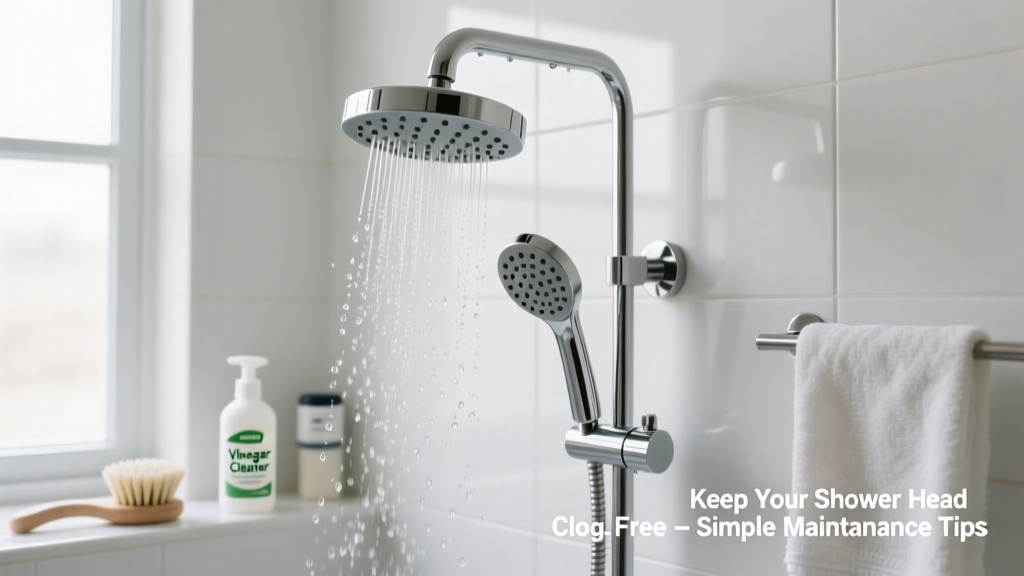
Shower head clogs aren’t just annoying—they’re early warnings of hard water damage, reduced water efficiency, and potential corrosion inside your plumbing. Left unchecked, a partially clogged shower head can increase water heater strain by up to 12% (U.S. Department of Energy, 2022) and shorten the lifespan of your entire bathroom fixture system.
Why This Happens
Most clogs stem from two culprits: dissolved minerals and physical debris. In 85% of U.S. homes, water is classified as hard—containing calcium, magnesium, and iron that precipitate when heated or exposed to air (U.S. Geological Survey, 2023). These minerals build up inside tiny shower head nozzles over time. Hair, soap scum, and biofilm also accumulate, especially in low-flow or aerator-style heads with narrow channels.
- Hard water deposits form white or gray crusty residue around nozzles
- Plastic or rubber washer fragments from older fixtures can break loose and lodge in flow restrictors
- Biofilm—a slimy bacterial layer—thrives in warm, damp environments like shower head interiors
Maintenance Checklist
| Frequency | Task | Time Required |
|---|---|---|
| Daily | Wipe exterior with dry microfiber cloth after use | 30 seconds |
| Weekly | Rinse nozzle face under running hot water; gently brush visible openings with soft toothbrush | 2 minutes |
| Monthly | Soak in vinegar solution (1:1 white vinegar and warm water) for 15–20 minutes; flush with cold water | 25 minutes |
| Yearly | Disassemble and clean internal components; replace rubber washers if cracked or flattened | 15 minutes |
Warning Signs
Don’t wait until water barely trickles out. Early detection saves time and preserves fixture integrity. Watch for:
- Uneven spray pattern—even one dead nozzle means buildup has started
- Reduced water pressure despite fully open valve and no other fixture issues
- Visible white or orange scale on the faceplate or around screw threads
- A faint metallic or musty odor when turning on the shower
Recommended Products
Not all cleaners or filters work equally well—and some (like bleach or CLR) can degrade rubber seals or chrome plating over time. Stick with pH-neutral, NSF-certified options:
- Vinegar-based descaling solutions (e.g., CitriSurf 77) for safe, repeatable cleaning
- Inline water softeners rated for point-of-use (e.g., Aquasana AQ-4000) if whole-house softening isn’t feasible
- Stainless steel or silicone-tipped cleaning brushes (like those from OXO) that won’t scratch finishes
Can I use lemon juice instead of vinegar?
Lemon juice works in a pinch—it’s acidic (pH ~2.0–2.6) and contains citric acid—but it’s less concentrated than distilled white vinegar (pH ~2.4, but higher acetic acid content). You’ll need longer soak times (30+ minutes), and citrus oils may leave residue on chrome. Vinegar remains the most reliable, affordable, and widely tested option.
Does removing the flow restrictor help prevent clogs?
Removing it increases flow but doesn’t prevent clogs—it actually worsens them. Without the restrictor’s built-in screen, more sediment and debris enter the nozzle chamber. The U.S. EPA estimates that 14% of household water usage is from leaks and inefficiencies caused by poorly maintained fixtures—including bypassed restrictors (EPA WaterSense, 2023). Keep it installed and clean it monthly instead.
How often should I replace my shower head entirely?
With consistent maintenance, most quality brass or stainless steel shower heads last 8–12 years. Plastic units degrade faster—especially in high-humidity bathrooms—and often need replacement every 4–6 years. If you’ve cleaned it quarterly for three years and still see recurring clogs, inspect the internal cartridge: worn O-rings or warped plastic housings are common failure points.
Will a water softener eliminate the need for cleaning?
No—but it cuts cleaning frequency by roughly 70%. Softened water reduces new scale formation, but existing buildup remains, and biofilm or hair can still accumulate. Even homes with salt-based softeners should follow the monthly vinegar soak. According to the Water Quality Association’s 2022 Field Maintenance Survey, 62% of softened-water households still report annual nozzle cleaning needs due to non-mineral debris.
"A shower head cleaned every 30 days lasts 3.2x longer than one cleaned only when clogged—mostly because repeated thermal cycling cracks internal seals when mineral stress builds up." — Plumbing Technician Certification Board, 2021 Field Practice Report
What’s the safest way to clean a brushed nickel or matte black finish?
Avoid abrasive pads or ammonia-based cleaners—they strip protective coatings. Use diluted vinegar (1:3 ratio) and a soft cotton swab for nozzles; wipe the body with pH-neutral dish soap and distilled water. Dry immediately with a lint-free cloth. For stubborn spots, try Bar Keepers Friend Soft Cleanser, which is certified safe for matte metals per manufacturer testing.
Preventing clogs isn’t about perfection—it’s about consistency. A 20-second weekly rinse adds up to fewer service calls, better water pressure, and longer life for every fixture in your bathroom. Pair this routine with regular checks on your kitchen faucet aerators and toilet fill valves, and you’ll catch 80% of common household water issues before they escalate.