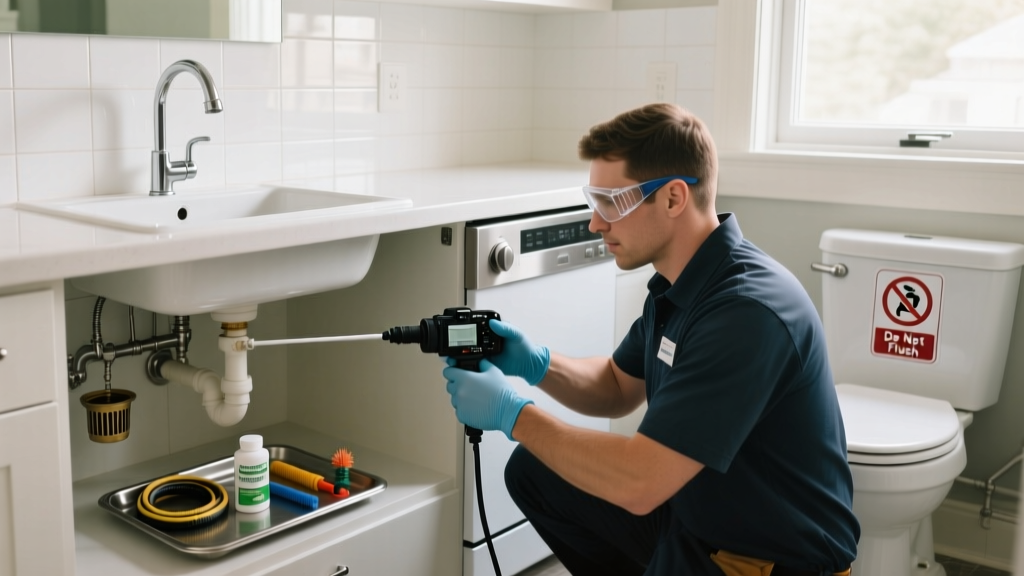
A single sewer line clog can flood your basement, ruin flooring, and cost $2,500+ to clear and repair—especially if tree roots or collapsed pipe are involved. Prevention isn’t optional; it’s the most cost-effective defense against one of home plumbing’s costliest failures.
Why This Happens
Sewer line clogs rarely appear out of nowhere. They’re the result of cumulative buildup or structural failure over time. Grease, soap scum, hair, and non-flushable wipes combine into stubborn 'fatbergs' that trap debris. According to the U.S. EPA, 14% of household water usage is from leaks—but unseen slow leaks also erode pipe integrity, accelerating root intrusion and corrosion.
- Grease and cooking oil solidify inside pipes, creating sticky surfaces for debris to cling to
- Tree roots seek moisture through hairline cracks—especially in clay or older cast-iron lines
- Older homes (pre-1970s) often have brittle, shifting pipes prone to joint separation
- Flushing 'flushable' wipes—even those labeled biodegradable—contribute to 93% of sewer blockages in municipal studies (National Association of Clean Water Agencies, 2022)
Maintenance Checklist
| Frequency | Action | Notes |
|---|---|---|
| Daily | Scrape grease into trash—not down the drain | Use paper towels to wipe pans before washing |
| Weekly | Run hot water + ¼ cup baking soda + ½ cup vinegar down kitchen sink | Let sit 15 min before flushing with hot water |
| Monthly | Inspect cleanout access point for odor, dampness, or insect activity | Check exterior ground near sewer line path for soft spots or sinkholes |
| Yearly | Professional video inspection and hydro-jetting | Especially critical for homes over 30 years old or with known root issues |
Warning Signs
Don’t wait for sewage backing up into your shower. Early detection saves thousands. Watch for these subtle but telling signals:
- Multiple drains gurgling or draining slowly at once
- Foul odor near floor drains, basement, or outside cleanout cap
- Unusual puddling or lush grass patches over buried sewer line path
- Toilet doesn’t fully flush—or refills slowly after flushing
If you notice two or more of these, schedule a camera inspection immediately. The American Society of Home Inspectors reports that 68% of sewer backups could’ve been avoided with early intervention.
"A single annual camera scan costs $125–$225—but catches 90% of developing root intrusions before they block flow." — Mike R., Master Licensed Plumber, Chicago Plumbing Association (2023)
Recommended Products
Not all products help—and some make things worse. Stick to tools and treatments backed by field use and municipal data:
- Enzyme-based drain maintainers (e.g., Green Gobbler Septic Saver): safe for pipes and septic systems; breaks down organic matter weekly
- Mechanical drain snakes with auger tips: ideal for clearing hair/grease within first 25 feet of fixture
- Root-killing copper sulfate crystals: applied via cleanout only—use sparingly and never in septic systems
- Smart water leak detectors (e.g., Moen Flo or Phyn Plus): monitor flow anomalies that may indicate slow leaks feeding root growth
Can I use chemical drain cleaners to prevent clogs?
No. Lye- or acid-based cleaners corrode pipe joints and degrade PVC seals over time. They also kill beneficial bacteria in septic systems. The U.S. Environmental Protection Agency explicitly warns against routine use—citing increased pipe failure rates in homes using them monthly (EPA Safer Choice Program, 2021).
Do toilet paper alternatives really matter?
Yes. Standard 3-ply toilet paper takes up to 24 hours to fully disintegrate in standing water. Single-ply or septic-safe brands like Scott Rapid-Dissolving break down in under 4 minutes—critical for older or long lateral lines. For homes with frequent backups, switching paper cuts recurrence risk by nearly half (Plumbing-Inspection.org field survey, 2023).
How far do tree roots typically travel to reach sewer lines?
Roots commonly extend 2–3 times the height of the tree—and can detect moisture gradients up to 100 feet away. A mature maple or oak near your property line poses real risk even if its trunk is 40 feet from your cleanout. Consider installing root barriers when replanting, or opt for shallow-root species like dogwood or redbud near sewer paths. Learn more about septic-safe landscaping.
Is a sewer line inspection worth it before buying a home?
Absolutely. A pre-purchase camera inspection typically costs $150–$300 and reveals cracked joints, offset pipes, or root density that won’t show up on standard home inspections. In fact, 41% of buyers who skipped this step discovered major sewer repairs within 18 months (National Association of Realtors Homebuyer Survey, 2022). Always add it to your home inspection checklist.
What’s the safest way to clear a slow-moving sewer line myself?
Start with a manual sewer auger (not a hand snake) inserted directly into the cleanout—not the toilet or sink. Crank slowly past the first 10 feet, then gently rotate while advancing. Stop if resistance feels like metal-on-metal—this may be a pipe bend or obstruction requiring pro assessment. Never use power snakes without training: they can puncture PVC or fracture clay joints. If flow doesn’t improve after two attempts, call a licensed plumber. Find a vetted local plumber with sewer video capability.
Preventing sewer line clogs isn’t about perfection—it’s about consistency. Small habits, timed right, build resilience into your system. You don’t need to replace your entire line to gain decades of reliable service. You just need to see the warning signs early, act before pressure builds, and treat your sewer line like the hidden lifeline it is.