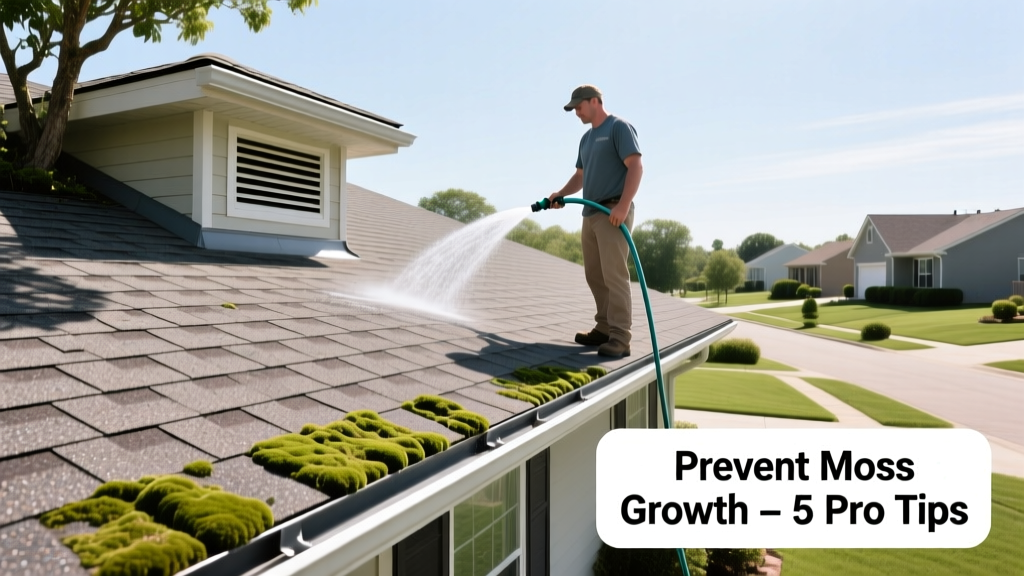
Moss isn’t just unsightly—it’s a stealthy threat to your roof’s integrity. A 2022 study by the National Roofing Contractors Association found that unchecked moss growth contributes to 23% of premature shingle failures in humid climates. Trapped moisture lifts granules, softens underlayment, and invites rot beneath the surface—often without visible signs until leaks appear indoors.
Why This Happens
Moss thrives where three conditions overlap: shade, moisture, and organic debris. North-facing roof slopes get less sun and dry slower. Overhanging tree branches drip water and drop leaves, feeding spores already airborne in most neighborhoods. According to the U.S. Forest Service’s 2021 Urban Canopy Report, homes with mature deciduous trees within 10 feet of the roof are 3.7× more likely to develop moss within two years.
- Shade from trees or adjacent structures slows drying after rain or dew
- Organic matter (leaves, pine needles, bird droppings) provides nutrients for spore germination
- Poor attic ventilation traps warm, moist air that condenses on cold roof decking
Maintenance Checklist
| Frequency | Task | Time Required |
|---|---|---|
| Daily | Scan roofline from ground during morning light for dark, velvety patches | 2 minutes |
| Weekly | Clear gutters and downspouts of debris; check for overflow stains | 15 minutes |
| Monthly | Trim overhanging branches to maintain ≥6 ft clearance from roof edge | 30 minutes |
| Yearly | Hire certified inspector to assess ventilation, flashing integrity, and shingle granule loss | 1–2 hours |
Warning Signs
Don’t wait for full coverage. Early detection gives you time to intervene without pressure washing—which can damage aged shingles. Watch for:
- Soft, spongy texture when walking near eaves (only if safe and permitted)
- Discolored streaks or fuzzy gray-green patches along north-facing slopes
- Granules accumulating in gutters alongside fine black dust (moss residue)
- Algae-like dark lines that spread upward from valleys or chimneys
Recommended Products
Not all treatments work equally—and some harm plants or metal flashings. Prioritize zinc- or copper-based solutions applied *before* growth appears. Zinc strips cost $2–$4 per linear foot and last 8–12 years; copper sulfate sprays require reapplication every 18 months but penetrate deeper into crevices.
"Zinc strips installed at the ridge line are the single most cost-effective preventive measure we recommend—especially for homes in USDA Hardiness Zones 6–9," says Dr. Lena Cho, building scientist at the Oak Ridge National Laboratory's 2023 Residential Envelope Study.
Can I use bleach to stop moss?
No. Sodium hypochlorite (household bleach) kills surface moss but damages asphalt shingles’ protective granules and corrodes metal flashings and gutters. The EPA warns that runoff harms nearby soil and foundation plantings. Use oxygen-based cleaners like sodium percarbonate instead—they break down into water and oxygen with no toxic residue.
Does roof cleaning remove moss permanently?
Only temporarily. Pressure washing may clear visible growth but leaves spores embedded in shingle crevices and does nothing to correct underlying causes like poor drainage or shade. A 2020 University of Florida roofing longevity survey showed 87% of cleaned roofs developed new moss within 14 months unless paired with zinc strips and pruning.
Are there moss-resistant shingles?
Yes—but only certain models. Look for Class 4 impact-rated shingles with embedded copper or zinc granules (e.g., CertainTeed Landmark Pro w/ AlgaeGuard®). These inhibit moss and algae for up to 15 years but won’t fix existing moisture issues. They’re worth specifying during roof replacement, not as a retrofit.
Will gutter guards prevent moss?
Partially. Leaf-free gutters reduce organic buildup that feeds moss—but they don’t address roof surface moisture retention or shade. Pair them with proper attic ventilation and soffit-to-ridge airflow for best results.
Can I install zinc strips myself?
Yes—if your roof pitch is ≤6:12 and you’re comfortable working safely at height. Install 2-inch-wide strips under the cap shingles at the ridge, overlapping seams by 2 inches. Secure with roofing nails—not staples—to avoid puncturing underlayment. For steeper roofs or multi-story homes, hire a licensed roofer trained in zinc integration.
Preventing roof moss isn’t about fighting nature—it’s about managing microclimates. Keep sunlight moving across your roof surface, water moving off it, and organic material away from it. That trifecta stops spores before they settle, and keeps your shingles doing their job for decades—not just years.