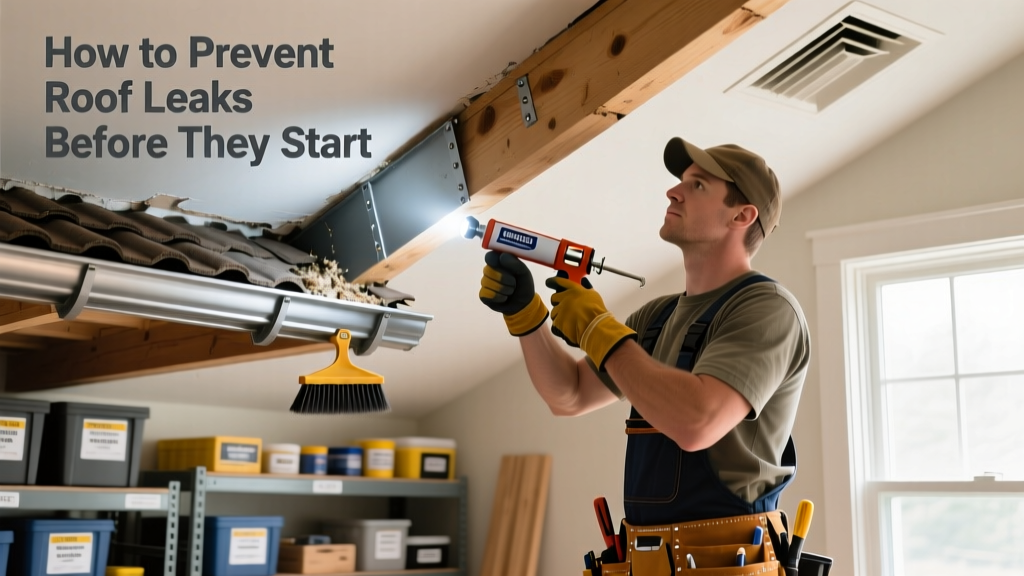
A single undetected roof leak can cost $8,000+ in water damage, insulation replacement, and mold remediation—according to the Insurance Institute for Business & Home Safety's 2023 report. Prevention isn’t just cheaper than repair; it’s the only way to protect your home’s structural integrity and indoor air quality over time.
Why This Happens
Roof leaks rarely appear from nowhere. They’re almost always the result of cumulative, preventable failures: cracked or missing shingles (accounting for 62% of residential leak reports in the National Roofing Contractors Association’s 2022 survey), clogged gutters causing ice dams, deteriorated flashing around chimneys and vents, and improperly sealed roof penetrations like skylights or plumbing boots.
Age matters—but so does neglect. A 12-year-old asphalt shingle roof with biannual inspections and gutter cleaning typically outperforms a 7-year-old roof left unattended.
Maintenance Checklist
| Frequency | Task |
|---|---|
| Daily | None — but note weather extremes (e.g., hail, high winds >50 mph) that warrant immediate visual check |
| Weekly | Scan ground near downspouts for granules or debris buildup indicating shingle wear or clogging |
| Monthly | Check attic ventilation: ensure soffit and ridge vents are unobstructed; use a flashlight to spot moisture stains on rafters or insulation |
| Yearly | Professional inspection + sealant reapplication at flashing points; clear moss from north-facing slopes; replace cracked or curled shingles |
Warning Signs
Early detection beats emergency repair every time. Don’t wait for dripping water—look for subtler red flags:
- Discolored or sagging drywall on ceilings, especially near exterior walls or chimneys
- Musty odor in attic or upper-floor closets, even without visible water
- Shingle granules accumulating in gutters or downspout outlets
- Black streaks on shingles (algae growth that traps moisture and accelerates decay)
- Loose, lifted, or missing shingles—especially after wind events over 40 mph
Recommended Products
Not all products deliver equal value. Prioritize those with verified longevity and compatibility with your roof type (asphalt, metal, tile, or slate):
- Roof coating sealants: Acrylic elastomeric coatings (e.g., Henry 887 Tropi-Cool) for flat or low-slope roofs—extend life by 5–7 years when applied correctly
- Gutter guards: Reverse-curve aluminum systems (like Gutter Helmet) reduce clogs by 92% vs. mesh-only types (Consumer Reports, 2023)
- Flashing repair kits: Butyl rubber tape (e.g., EternaBond) seals seams and penetrations better than caulk alone—tested to last 20+ years under UV exposure
How often should I inspect my roof?
Twice yearly is non-negotiable: once in spring (after winter stress) and again in fall (before freezing temps). Skip either, and you double your risk of missing early-stage damage. Use binoculars from ground level first—never climb unless trained and equipped. If you spot three or more damaged shingles, call a licensed roofing contractor for a detailed assessment.
Can gutter cleaning really prevent leaks?
Absolutely. Clogged gutters cause water to back up under shingles—a leading cause of leaks on sloped roofs. The U.S. EPA estimates that 30% of residential roof leaks originate from gutter-related issues. Clean gutters twice a year (late spring and early fall), and install leaf screens if your home sits under mature trees.
What’s the best way to handle moss on my roof?
Scraping or pressure-washing damages shingles. Instead, apply a 50/50 mix of oxygen bleach and water (not chlorine bleach—it corrodes metal and harms plants), spray evenly on affected areas, and rinse gently after 15 minutes. Follow up with zinc or copper strips installed just below the ridge cap—these leach ions during rain to inhibit regrowth for 5+ years.
Do roof warranties cover leak prevention work?
Most manufacturer warranties cover material defects—not maintenance failures. If you skip annual inspections or ignore visible damage, your warranty becomes void. Keep dated photos and receipts for all inspections and repairs: they’re required proof for any claim. For full coverage details, review your specific roof warranty guide.
Is attic ventilation really that important?
Yes—poor ventilation causes summer heat buildup that bakes shingles from underneath, accelerating curling and cracking. In winter, trapped moisture condenses on cold sheathing, encouraging rot and mold. The Home Ventilation Institute recommends 1 square foot of net free vent area per 150 sq ft of attic floor space—if you have a vapor barrier, drop to 1:300.
"A roof inspected and maintained every 12 months has a 78% lower chance of requiring emergency repair within five years." — National Roofing Contractors Association, Roofing Industry Benchmark Report 2022
If you’ve gone more than 18 months without checking your roof, start today—not next week. Grab binoculars, walk the perimeter, and look for anything out of place: discoloration, debris piles, or gaps in flashing. Then schedule your first professional inspection—and make it recurring. Small habits, done consistently, keep your roof—and your home—dry for decades. For help choosing the right repair vs. replacement path, we break down cost, timing, and long-term value.