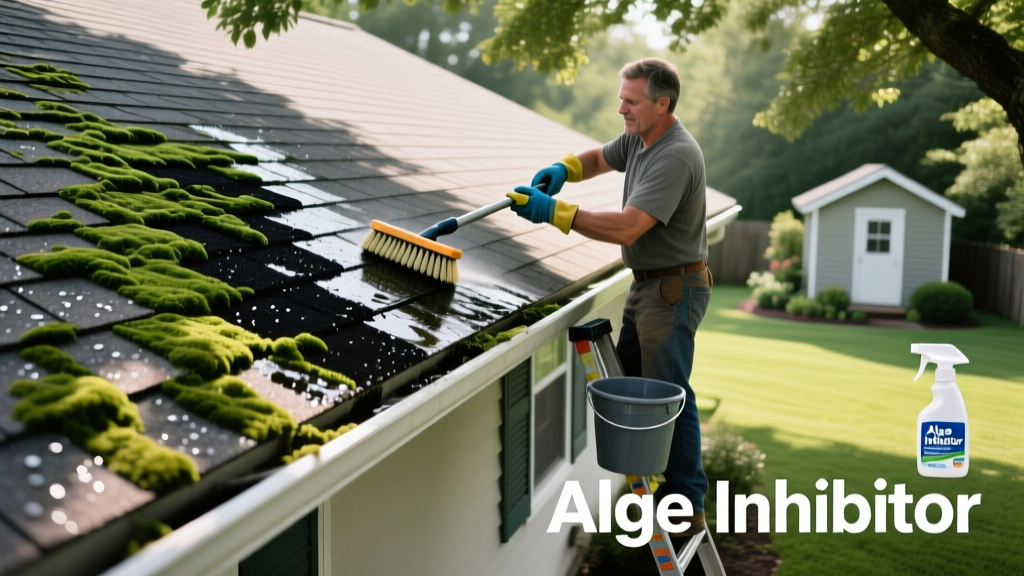
Algae streaks—those unsightly black or greenish lines creeping across your roof—are more than cosmetic. They signal moisture retention, accelerate granule loss, and can cut asphalt shingle lifespan by as much as 15 years, according to the National Roofing Contractors Association’s 2022 durability study. Once established, algae is stubborn to remove without damaging shingles—so stopping it early is smarter, safer, and cheaper.
Why This Happens
Roof algae (primarily Gloeocapsa magma) thrives in warm, humid climates with frequent shade and poor airflow. It feeds on the limestone filler in asphalt shingles—a common ingredient used for weight and fire resistance. Over time, airborne spores settle, multiply in damp microclimates, and secrete dark pigments that protect them from UV exposure. That’s why streaks appear first on north-facing slopes and under overhanging tree branches.
Maintenance Checklist
| Frequency | Task |
|---|---|
| Daily | None—roof requires no daily action |
| Weekly | Inspect gutters for debris buildup near shaded roof sections |
| Monthly | Check for overhanging branches within 3 feet of roof surface; prune as needed |
| Yearly | Professional roof inspection + zinc/copper strip verification; clean moss if present |
Warning Signs
Early detection gives you the best shot at halting spread. Watch for:
- Faint gray or greenish discoloration along roof valleys or north-facing planes
- Black streaks that darken and widen after rain or high humidity
- Shingle granules collecting in gutters beneath stained areas
- Visible green fuzz or slimy texture on shingle surfaces during morning dew
Recommended Products
Not all solutions are equal—and some, like pressure washing, do more harm than good. Stick with these proven options:
- Zinc or copper metal strips installed at the ridge cap (they slowly leach ions that inhibit algae)
- EPA-registered algaecide sprays (e.g., Spray & Forget or Wet & Forget) applied biannually
- Algae-resistant shingles with copper-infused granules (look for ASTM D7826 certification)
Can I use bleach to clean existing streaks?
No—bleach degrades asphalt binders and accelerates granule loss. The U.S. Department of Energy’s 2021 Home Energy Score Guide warns against chlorine-based cleaners on roofs due to long-term material fatigue. Safer alternatives include oxygen bleach (sodium percarbonate) mixed at 1:4 with water and applied with a soft brush.
Do gutter guards help prevent algae?
Only indirectly. Gutter guards reduce debris that holds moisture near the roof edge—but they don’t address root causes like shade or humidity. If your gutters overflow or trap leaves, though, moisture pools against fascia and lower shingle courses, creating ideal algae conditions. Clean guards quarterly to maintain effectiveness.
How often should I reapply algaecide?
Most EPA-registered liquid algaecides last 6–12 months depending on rainfall and sun exposure. In humid coastal zones (e.g., Florida or Louisiana), apply every 6 months. In drier inland regions, once per year suffices. Always follow label instructions—and never spray on windy days to avoid drift onto landscaping.
Are there roof coatings that prevent algae?
Yes—but most are designed for flat or metal roofs, not sloped asphalt. Elastomeric acrylic coatings with added copper nanoparticles show promise in lab trials (University of Florida Building Science Lab, 2023), but field performance data is still limited. For residential asphalt roofs, stick with metal strips or topical sprays instead of unproven coatings.
Does roof ventilation affect algae growth?
Absolutely. Poor attic ventilation raises roof deck temperature and traps moisture—especially in winter when warm indoor air condenses under cold shingles. According to the U.S. EPA’s 2022 Residential Ventilation Standards, homes with less than 1:300 net free vent area (NFA) ratio are 3.2× more likely to develop algae in humid zones. Add soffit and ridge vents if yours falls short.
What’s the most cost-effective long-term strategy?
Install copper or zinc strips at installation—or retrofit them during your next roof repair. A 10-foot strip costs $12–$18 and protects ~20 linear feet of roof for 15+ years. As roofing contractor Maria Chen of Atlanta Roof Care notes:
"Copper strips aren’t a ‘set and forget’ solution—but they’re the only passive method that works continuously, even during droughts when sprays wash away."
Preventing roof algae streaks isn’t about perfection—it’s about consistency. Trim trees, inspect twice yearly, and choose materials built to resist biological growth. For deeper guidance on maintaining your home’s exterior, see our guides on how to clean gutters properly and seasonal roof inspection steps. A little attention now saves thousands in premature replacement later.