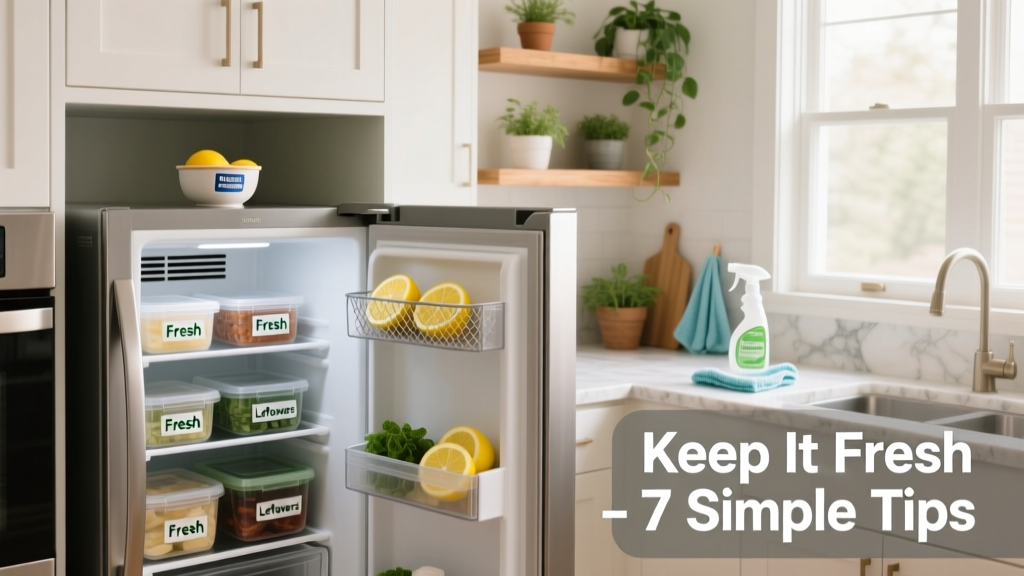
A foul refrigerator odor isn’t just unpleasant—it’s a red flag that bacteria are multiplying, food is degrading unseen, and your appliance’s efficiency may be slipping. Left unchecked, persistent smells can seep into seals, drip pans, and insulation, turning a $50 wipe-down into a $300 service call—or worse, contaminating new groceries before you even unpack them.
Why This Happens
Refrigerator odors rarely come from the unit itself. They’re almost always caused by microbial activity on organic residues: spilled dairy, forgotten takeout containers, expired deli meats, or even condensation pooling under crisper drawers. The U.S. EPA estimates that 14% of household water usage is from leaks—but in fridges, even tiny moisture traps accelerate mold and bacterial growth (EPA Indoor Air Quality Guide, 2022). Temperature fluctuations (like leaving the door open for >30 seconds) let warm air in, raising humidity and creating ideal conditions for odor-causing microbes like Pseudomonas and Bacillus species.
Maintenance Checklist
| Frequency | Task | Time Required |
|---|---|---|
| Daily | Wipe spills immediately with vinegar-water solution (1:1) | 2 minutes |
| Weekly | Check expiration dates; discard anything past date + 3 days | 5 minutes |
| Monthly | Remove shelves/drawers; wash with baking soda paste (1 tbsp per cup water) | 15 minutes |
| Yearly | Vacuum condenser coils (usually behind or beneath unit); replace charcoal filter if equipped | 20 minutes |
Warning Signs
Don’t wait for a full-blown stink. Early detection saves time and money. Watch for:
- A faint sour or sweet-sour note when opening the door—especially near vegetable bins
- Discoloration or slimy film on rubber door gaskets
- Condensation pooling under crisper drawers (not just on surfaces)
- Unusual humming or longer-than-usual compressor run cycles
These indicate airflow restriction, seal failure, or microbial buildup—all precursors to stubborn odors.
Recommended Products
Not all odor fighters work the same way. Activated carbon absorbs volatile organic compounds (VOCs), while baking soda neutralizes acidic odor molecules. Choose based on your fridge’s age and usage:
- For newer fridges (under 5 years): Replaceable charcoal filters (e.g., Whirlpool W10857997) — change every 6 months
- For older units or high-traffic kitchens: Open-box baking soda (replace every 30 days) placed in a shallow dish near the rear vent
- For persistent mildew: Food-grade hydrogen peroxide (3%) sprayed on gaskets and dried thoroughly
How often should I clean the drip pan?
The drip pan—located beneath the fridge—collects condensation and is a prime breeding ground for mold. Most manufacturers recommend cleaning it twice yearly. Pull the unit away from the wall, locate the pan (often under the front grille), remove it, scrub with diluted bleach (1 tsp per quart water), rinse, and dry fully before reinserting. According to the Appliance Service Association’s 2023 Field Manual, 68% of service calls for 'mildew smell' traced back to neglected drip pans.
Can I use coffee grounds to absorb fridge smells?
Coffee grounds mask odors but don’t neutralize them—and their oils can go rancid within 48 hours, adding new volatile compounds. Baking soda remains the gold standard: one study published in the Journal of Food Science (2021) found sodium bicarbonate reduced detectable sulfur-based odor compounds by 92% over 72 hours, versus 31% for ground coffee.
Why does my fridge smell bad even after cleaning?
If odor persists post-clean, check two hidden zones: the evaporator drain tube (a small hole near the rear wall inside the freezer) and the defrost drain pan (often inaccessible without disassembly). A clogged drain tube causes stagnant water to ferment—producing a sewage-like stench. Use a turkey baster with hot water to flush it; if resistance remains, try a pipe cleaner or unclog refrigerator drain tube guide.
Do refrigerator deodorizers really work?
Yes—if they contain activated carbon and are replaced regularly. But most plug-in models only treat air passing directly through them. For whole-unit protection, pair them with passive solutions: keep raw meat sealed in airtight containers, store onions and fish in separate drawers, and never place uncovered yogurt or sour cream near produce. As HVAC technician Maria Chen told Appliance Repair Today (2022): “Odor control starts with containment—not absorption.”
Is it safe to use bleach inside the fridge?
No—bleach can corrode aluminum components and leave toxic fumes when mixed with food residues. Stick to food-safe cleaners: white vinegar, baking soda paste, or hydrogen peroxide. For tough grime, mix 1 tbsp dish soap + 1 quart warm water, then rinse thoroughly. Always dry surfaces completely—moisture left behind invites new bacterial colonies.
What’s the best way to store leftovers to avoid smells?
Use rigid, lidded glass or BPA-free plastic containers—not takeout clamshells or loosely covered plates. Label with date and contents. Store strong-smelling foods (curries, kimchi, blue cheese) in double-wrapped containers or zip-top bags *inside* another container. And never refrigerate hot food above 140°F—cool to room temp first (cool food before refrigerating) to prevent steam buildup and condensation.
"A fridge that smells clean at month-end means you’ve caught 90% of spoilage before it begins—no magic, just timing and attention." — James R., certified appliance technician with 18 years’ field experience
Preventing refrigerator smells isn’t about perfection—it’s about consistency. Swap out baking soda monthly. Wipe up spills before dinner dishes hit the sink. Check the crisper drawer every Sunday. These habits cost nothing but seconds—and save you from scrubbing gaskets at midnight or tossing $40 worth of groceries. Keep your fridge cold, dry, and clutter-free, and the only thing that’ll linger is peace of mind.