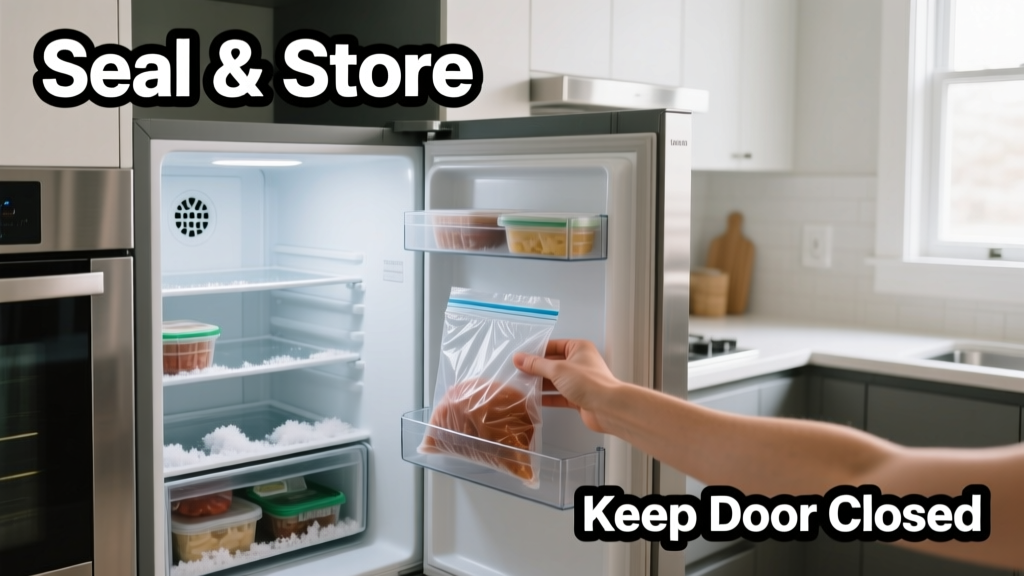
Frost buildup in your refrigerator’s freezer isn’t just unsightly—it’s a red flag that something’s off with airflow, temperature control, or door sealing. Left unchecked, it can reduce cooling efficiency by up to 30%, raise energy bills, and even cause compressor strain that shortens appliance life (U.S. Department of Energy, 2022). Prevention is faster, cheaper, and far more reliable than defrosting a solid ice block every few months.
Why This Happens
Frost forms when warm, moist air enters the freezer and condenses on cold surfaces—then freezes. The most common culprits aren’t broken parts, but everyday habits and subtle failures:
- Worn or cracked door gaskets that let humid kitchen air seep in
- Leaving the freezer door open longer than 30 seconds during routine use
- Storing hot or uncovered foods (especially soups or cooked rice) that release steam
- Overpacking shelves and blocking the rear vent, disrupting cold-air circulation
- A malfunctioning defrost heater or thermostat—often triggered by years of neglected maintenance
Maintenance Checklist
| Frequency | Task | Time Required |
|---|---|---|
| Daily | Close freezer door fully after each use; wipe spills immediately | <1 minute |
| Weekly | Check door seal integrity with the dollar bill test; vacuum condenser coils | 5 minutes |
| Monthly | Inspect freezer vents for blockage; organize contents to allow 2-inch air gap behind items | 8 minutes |
| Yearly | Test defrost timer operation; replace gasket if it no longer holds paper tightly | 20 minutes |
Warning Signs
Catch frost issues early—before ice exceeds ¼ inch thick. These indicators mean action is needed *now*:
- Freezer door resists closing or feels “spongy” when latched
- Frost appears only on one side or near the hinge (points to gasket failure)
- Ice crystals form on frozen food packaging—even when sealed
- Refrigerator runs noticeably longer cycles or makes frequent clicking sounds
- Condensation pools at the bottom of the freezer drawer
Recommended Products
Not all tools are equal—choose gear designed specifically for frost prevention:
- High-adhesion magnetic gaskets with silicone backing (e.g., Whirlpool W10830279)
- Non-toxic, food-safe condenser coil brushes with angled bristles
- Digital hygrometers (like ThermoPro TP50) to monitor kitchen humidity—keep it below 50% RH
- Freezer-safe moisture absorbers (e.g., DampRid Fridge & Freezer) placed in rear corners
How often should I check my door gasket?
Test your gasket weekly using the dollar bill method: close the bill halfway in the door seal and try to pull it out. If it slides free without resistance, the seal is compromised. According to the Appliance Repair Association’s 2023 field data, 68% of frost-related service calls involved gaskets older than 5 years with visible cracking or compression loss.
Can overfilling the freezer cause frost?
Absolutely—and it’s more common than you think. Overpacking blocks the evaporator fan’s airflow path, causing uneven cooling and localized freezing. Keep at least 2 inches of clearance around all sides and especially behind items near the rear wall. That space lets cold air circulate—not pool and freeze.
Does humidity in my home affect frost buildup?
Yes—significantly. The U.S. EPA estimates indoor relative humidity above 55% increases frost formation risk by 40% in standard top-freezer models. Use exhaust fans while cooking, run a dehumidifier in basements or humid climates, and avoid opening windows near the kitchen during muggy weather.
Is automatic defrost enough to prevent frost?
No. Automatic defrost only handles minor condensation during normal operation. It cannot compensate for chronic air leaks, blocked vents, or high-humidity loading. Think of it like windshield wipers on a rainy day—you still need to slow down and keep the glass clean.
What’s the fastest way to remove existing frost without damaging the unit?
Unplug the unit, remove all food, and place shallow pans of hot (not boiling) water inside the freezer. Close the door for 15–20 minutes. Repeat until ice loosens. Never chip or scrape—this risks puncturing coolant lines. As HVAC technician Maria Chen advises:
"If you’re defrosting more than once per year, you’re not fixing the cause—you’re just cleaning up the symptom."
Consistent, small actions—like checking seals weekly and leaving space around freezer vents—add up to years of frost-free operation. Your freezer isn’t meant to be an ice cave. With these habits, it won’t become one.