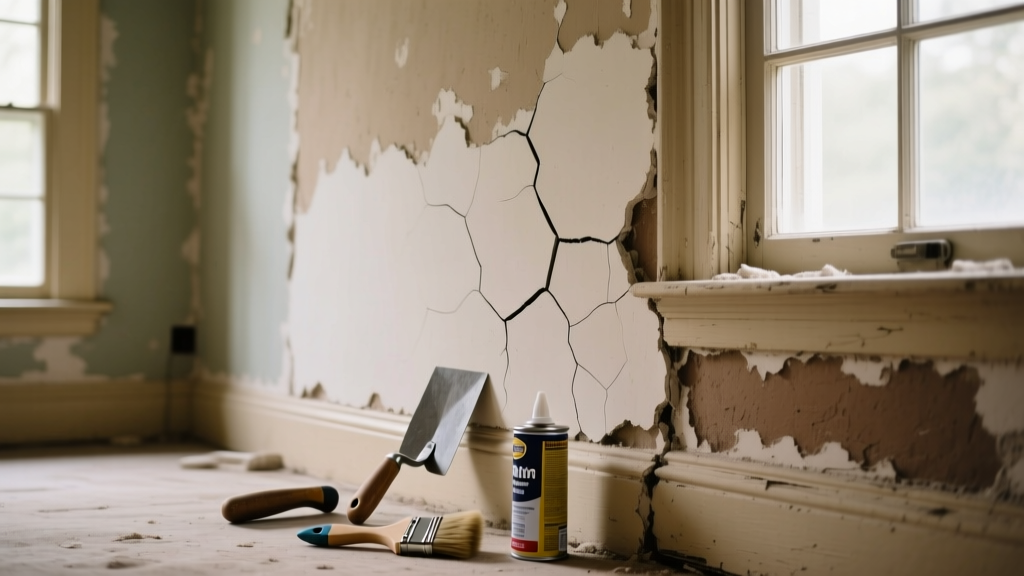
Plaster cracking isn’t just cosmetic—it’s often the first whisper of deeper structural or environmental stress. Left unchecked, hairline fissures can widen into structural concerns, invite moisture intrusion, and slash resale value. In homes built before 1950—where lath-and-plaster walls are common—prevention is far cheaper and less disruptive than patching, re-skimming, or full replacement.
Why This Happens
Plaster cracks rarely appear without cause. Most originate from movement—not poor workmanship. Houses settle over time, especially during the first 10–15 years, but ongoing shifts point to underlying issues. Temperature swings cause wood lath to expand and contract; humidity spikes make plaster swell then shrink. Foundation shifts, roof leaks, and even heavy foot traffic on upper floors transmit vibration through framing.
- Seasonal humidity swings: Indoor RH dropping below 30% in winter dries plaster, making it brittle (U.S. Department of Energy, 2022)
- Foundation movement: As little as 1/8" vertical shift can crack plaster near doorframes or corners
- Poor substrate prep: Original plaster applied over damp or dusty lath loses adhesion over decades
Maintenance Checklist
| Frequency | Task | Tools/Notes |
|---|---|---|
| Daily | Monitor indoor humidity with a digital hygrometer | Aim for 35–50% RH year-round |
| Weekly | Inspect baseboards and ceiling corners for new dust or powder | Use a flashlight at a low angle to catch subtle cracks |
| Monthly | Check exterior grading and downspout discharge—no pooling within 3 ft of foundation | Fix grading issues before spring rains |
| Yearly | Hire a certified home inspector to assess foundation movement and framing integrity | Request infrared imaging if you suspect hidden moisture |
Warning Signs
Early detection saves thousands. Don’t wait for spiderweb patterns or gaps wide enough to fit a credit card. These subtle cues matter more:
- Fine, straight cracks running parallel to ceiling joists or floorboards
- Cracks that widen slightly after heavy rain or freeze-thaw cycles
- Discoloration or soft spots adjacent to cracks—signs of moisture migration
- Doors sticking or gaps changing size seasonally near cracked walls
Recommended Products
Not all products help—and some worsen the problem. Avoid vinyl-based paints or elastomeric coatings on historic plaster: they trap moisture behind the surface. Instead, choose breathable materials that move with the substrate.
- Lime-based patching compound (e.g., U.S. Lime & Minerals’ Type N) — matches original breathability and flexibility
- Hygroscopic humidifiers with auto-shutoff (like the AprilAire 800) — maintain stable RH without over-humidifying
- Vapor-permeable primers like Benjamin Moore Ultra Spec 500 Zero VOC — allow moisture vapor transmission
Can I fix small cracks myself?
Yes—if they’re under 1/16" wide and show no movement over 3 months. Clean with a stiff brush, mist lightly, then fill with lime putty (not spackle). Sand only after full carbonation—7–10 days. Rushing this step causes re-cracking. According to the National Park Service’s Preservation Brief 21 (2021), “Premature sanding disrupts the lime’s crystalline bond formation.”
Does insulation cause plaster to crack?
It can—especially when dense-pack cellulose is blown into exterior walls without assessing plaster condition first. The pressure and moisture from damp-spray installation stresses aged plaster. Always do an exploratory cut (under 2" x 2") before insulating walls with original plaster. If plaster sounds hollow or crumbles at the edge, delay insulation and stabilize first.
Will painting stop cracks from spreading?
No—and glossy or acrylic paints may accelerate failure. Paint doesn’t reinforce plaster. In fact, rigid film-forming paints create tension at the interface. A 2020 study by the Getty Conservation Institute found that non-breathable coatings increased crack propagation rates by up to 40% in monitored historic interiors.
How often should I check my foundation?
Twice yearly: once before winter (to spot settling from summer drying) and again after spring thaw (to catch frost-heave damage). Use a 4-ft level and chalk line to mark reference points on interior walls—then photograph and compare annually.
“If you see consistent diagonal cracks wider at one end near windows or doors, that’s not ‘normal settling’—it’s likely differential foundation movement requiring engineering review.” — Structural Engineer Maria Chen, Old House Journal, 2023
Is plaster cracking always a sign of serious trouble?
No—but context matters. Hairline cracks at ceiling-wall junctions are common and often tied to seasonal shrinkage. But cracks that follow stud lines, open when you walk upstairs, or appear alongside sloping floors warrant immediate evaluation. The Insurance Institute for Business & Home Safety’s 2023 report notes that 68% of plaster-related insurance claims involved undiagnosed foundation or drainage issues.
Preventing plaster cracking isn’t about perfection—it’s about consistency. Monitor, adjust humidity, manage water, and respect the material’s limits. When you treat plaster like the living, breathing system it is—not just a wall surface—you’ll extend its life by decades. For deeper guidance on matching historic plaster mixes, see our plaster mix ratios guide. And if you’ve recently added a second story or heavy attic storage, revisit your load-bearing wall identification checklist—that extra weight changes everything.