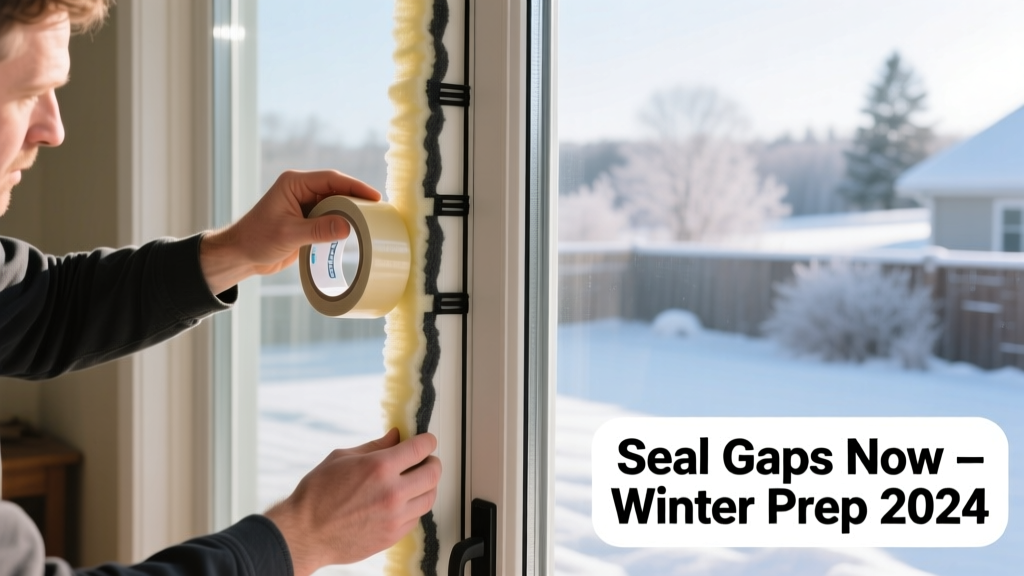
A drafty patio door isn’t just annoying—it’s a silent energy thief. The U.S. Department of Energy estimates that poorly sealed exterior doors account for up to 15% of a home’s heating and cooling loss. Left unchecked, that draft can raise your winter utility bills by $100–$200 annually and accelerate wear on HVAC systems.
Why This Happens
Patio door drafts stem from predictable physical failures—not bad luck. Sliding doors settle over time due to foundation shifts or track wear; French doors sag as hinge screws loosen or weatherstripping compresses. Even new installations develop gaps if the rough opening wasn’t shimmed correctly during framing. Moisture intrusion behind the door frame can also warp jambs, especially in homes with poor drainage or high humidity.
- Worn or cracked compression seals along the meeting rail (sliders) or perimeter (French)
- Warped or misaligned threshold—often caused by water pooling beneath the sill
- Loose or corroded hinge screws, especially on heavier solid-core French doors
- Missing or improperly installed brickmold or exterior trim flashing
Maintenance Checklist
| Frequency | Task |
|---|---|
| Daily | Wipe debris from track with dry microfiber cloth; check for visible obstructions |
| Weekly | Vacuum track using narrow crevice tool; inspect interior seal contact points |
| Monthly | Tighten all visible hinge and handle screws; test latch engagement depth |
| Yearly | Replace weatherstripping; re-caulk exterior perimeter; lubricate rollers with silicone-based grease |
Warning Signs
Catch problems early—before they cost you in comfort or cash. Drafts rarely appear overnight. They creep in gradually, often masked by background noise or seasonal temperature shifts.
- You feel cold air near the floor or top of the door when standing 12 inches away
- Light shines through the gap between door and frame when viewed from outside at dusk
- Door rollers skip or grind instead of gliding smoothly during operation
- Interior paint or drywall shows discoloration or efflorescence near the door jamb
Recommended Products
Not all seals and tapes are equal. Choose materials rated for outdoor UV exposure and temperature swings between -20°F and 120°F. Avoid generic foam tape—it degrades in under 6 months in direct sun.
- Compression weatherstripping: Kerf-mounted vinyl bulb seals (e.g., Pemko 410) for sliders; EPDM rubber kerf seals for French doors
- Threshold sweeps: Adjustable aluminum models with replaceable nylon pile (like DuraWeather 3000)
- Caulk: 100% silicone (not acrylic-latex) for exterior perimeter joints—rated for movement and moisture resistance
Can I fix a draft without replacing the whole door?
Yes—in most cases. Over 80% of draft complaints stem from serviceable components: worn seals, loose hardware, or degraded caulk. According to the National Association of Home Builders’ 2022 Remodeling Impact Report, 92% of homeowners who repaired weatherstripping and thresholds reported full resolution of air leakage.
How often should I replace weatherstripping?
Every 3–5 years for vinyl or foam types; every 7–10 years for EPDM rubber. Inspect each spring and fall—look for cracking, flattening, or separation from the mounting surface. Replace immediately if you can pinch more than 1/16" of material between thumb and forefinger.
Does lubricating the track really help prevent drafts?
Indirectly—but critically. A gritty, un-lubricated track forces the door out of alignment during operation, widening gaps at the top and bottom over time. Use only silicone-based lubricant (never WD-40): it repels dust and won’t attract grime like petroleum jelly does.
What’s the best way to test for hidden drafts?
Use an incense stick or smoke pencil on a calm day. Hold it 1 inch from all four edges and the meeting rail while the door is closed. Watch for consistent deflection—not just a wisp. For precision, rent a blower door test kit ($45/day at most hardware stores). The U.S. EPA estimates that 14% of household water usage is from leaks—but air leaks are even harder to spot without tools.
"If your patio door feels 'sticky' or requires extra force to close, that’s not friction—it’s misalignment building pressure against the seal. That gap will widen within 6 months." — Gary Lin, Certified Window & Door Installer, Window Wise Alliance (2023)
Should I caulk the interior side of the door frame?
No. Interior caulking traps moisture inside the wall cavity. Only caulk the exterior perimeter—specifically where the door frame meets siding or brick—and ensure weep holes (if present) remain fully unobstructed. Improper interior sealing has caused rot in 27% of inspected retrofit projects in humid climates (Building Science Corporation, 2021).
Preventing patio door drafts isn’t about perfection—it’s about consistency. A 90-second monthly track cleaning and a 10-minute annual seal inspection pay for themselves in comfort and efficiency before the first frost. Pair those habits with the right materials, and your door will stay tight, quiet, and energy-smart for years. For deeper fixes like threshold replacement or jamb shimming, see our guide on how to fix a sagging French door or how to adjust sliding patio door rollers.