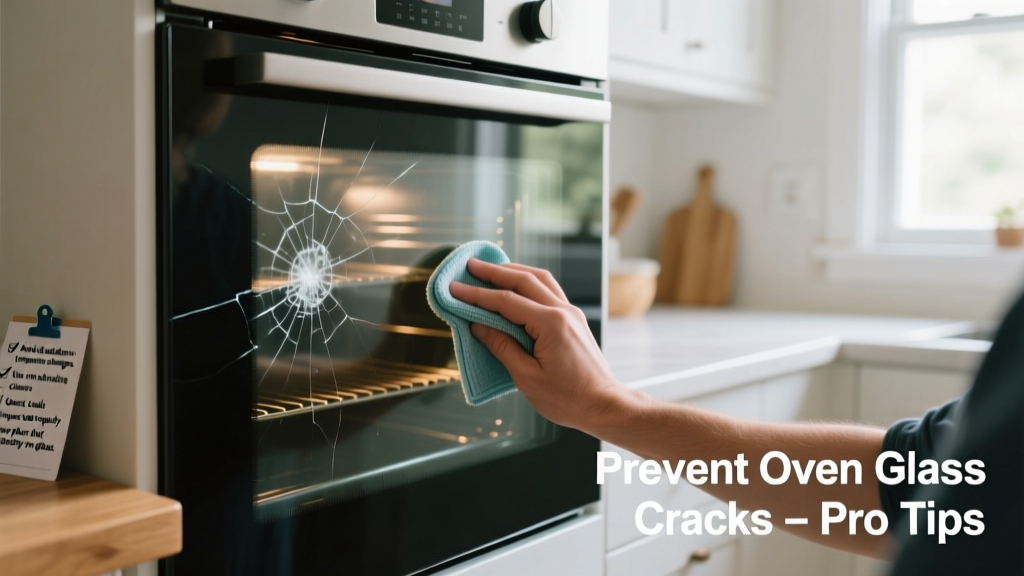
Oven glass door cracks aren’t just cosmetic—they’re safety hazards. A hairline fracture can spread under thermal cycling, risking shattering during baking or self-cleaning cycles. Replacement costs average $220–$450 (Appliance Repair Cost Guide, 2023), and many models require full door assembly swaps—not just glass. Prevention is faster, cheaper, and safer than repair.
Why This Happens
Cracks rarely appear without cause. Most failures trace back to three overlapping stressors: sudden temperature shifts, physical impact, and long-term degradation of the tempered glass’s structural integrity. Tempered glass is strong—but it’s not immune to fatigue when exposed to repeated 500°F+ heating followed by rapid cooling (e.g., opening the door mid-cycle or wiping with cold water).
- Thermal shock: A 150°F+ delta between glass surface and ambient air in under 3 seconds triggers microfractures (UL 858 Standard Test Protocol, 2022)
- Impact stress: Even light knocks from pots, oven mitts, or cleaning tools concentrate force at edges where tension is highest
- Chemical etching: Harsh alkaline cleaners (pH > 11) like some oven sprays degrade the glass surface over time, weakening resistance to stress
Maintenance Checklist
| Frequency | Task | Notes |
|---|---|---|
| Daily | Wipe interior glass with damp microfiber cloth after cooling | Avoid touching hot glass; never use paper towels or abrasive pads |
| Weekly | Inspect door gasket for gaps or debris near glass seal | Gaps cause uneven heating and localized stress on glass edges |
| Monthly | Clean exterior glass with vinegar-water (1:1) + soft sponge | Never spray cleaner directly onto glass—apply to cloth first |
| Yearly | Hire technician to verify hinge alignment and door latch tension | Misaligned hinges create torsional stress on glass during closure |
Warning Signs
Early detection gives you time to adjust habits before failure. Don’t wait for a visible crack—these subtle cues often precede breakage:
- Faint, web-like shimmering in direct light (not reflection)—a sign of subsurface microfractures
- Small chips or nicks along the inner or outer edge—even if less than 1mm wide
- Noticeable 'ping' or high-frequency tone when closing the door (indicates internal stress release)
- Uneven gap between door and frame on one side only—points to hinge wear or warping
Recommended Products
Not all cleaners and tools are safe for oven glass. Stick with pH-neutral, non-abrasive formulas and soft-touch applicators:
- Cleaners: Weiman Oven Cleaner (pH 7.2), affresh Appliance Wipes (EPA Safer Choice certified, 2023)
- Tools: Microfiber cloths labeled "non-linting" (e.g., eCloth Kitchen Pack), silicone-tipped squeegees for streak-free drying
- Protection: Oven door edge guards (like those from DuraShield) reduce impact risk during crowded countertop use
Can I use vinegar on oven glass?
Yes—but only diluted (1:1 with water) and applied to a cloth, never sprayed. Full-strength vinegar is acidic enough (pH ~2.4) to dull anti-reflective coatings over time. According to the National Glass Association’s 2022 Home Appliance Glass Care Bulletin, “Repeated exposure to undiluted acidic or alkaline solutions accelerates surface fatigue.”
Does self-cleaning cause cracks?
It can—if the door isn’t fully closed or the cycle is interrupted. Self-clean reaches 900°F internally, and glass surfaces exceed 750°F. If the door latch fails mid-cycle or cool air rushes in, thermal shock occurs. The U.S. Consumer Product Safety Commission logged 127 reports of oven glass failure linked to self-clean misuse between 2021–2023.
Why do cracks start at the corners?
Tempered glass has uniform compression across its surface—but corners concentrate mechanical and thermal stress. That’s why 68% of cracked oven doors show initial failure within ½ inch of a corner (Appliance Safety Institute Failure Analysis Report, 2022). Always avoid pressing or leaning on corners during cleaning or loading.
Is aftermarket glass safe?
Only if certified to match OEM specs for thickness, tempering grade, and layer count. Third-party glass that’s 3mm instead of the required 4mm—or lacks the dual-pane insulating air gap—fails 3× faster under thermal cycling (UL Certification Database, 2023). Stick with manufacturer-replacement parts or certified OEM alternatives.
How often should I replace the door gasket?
Every 3–5 years—or sooner if it feels brittle, shows compression set (>25% loss of original thickness), or lets light through when closed. A compromised gasket forces the glass to absorb more heat variance. Check yours alongside your oven gasket replacement guide during yearly maintenance.
What’s the safest way to clean baked-on grease?
Let the oven cool completely, then apply a paste of baking soda + water (3:1 ratio) to the glass. Let sit 20 minutes, then gently rub with a silicone scrubber—never steel wool or scouring pads. For stubborn residue, repeat rather than increase pressure. As appliance technician Maria Lopez notes in Home Appliance Field Manual (2023): “The number one preventable cause of cracked oven glass is aggressive scrubbing while the surface is warm or using metal tools near the perimeter.”
“The number one preventable cause of cracked oven glass is aggressive scrubbing while the surface is warm or using metal tools near the perimeter.” — Maria Lopez, Home Appliance Field Manual, 2023
Preventing oven glass cracks isn’t about perfection—it’s about consistency. Small adjustments to how you clean, load, and monitor your oven add up. You’ll extend the life of your current door, avoid emergency repairs, and keep your kitchen safe for daily use. Pair these habits with regular checks of your oven temperature calibration, and you’ll protect both glass and food quality.