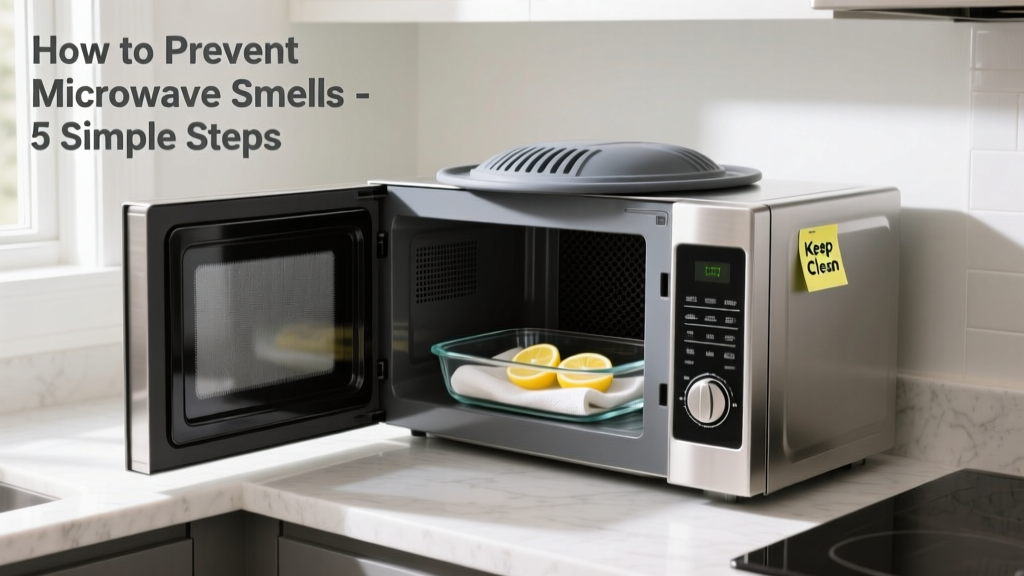
A burnt microwave smell isn’t just unpleasant—it’s a red flag that food residue is carbonizing on interior surfaces or the waveguide cover is compromised. Left unchecked, these odors can become permanent, signal electrical stress, and even trigger smoke alarms during routine use. Prevention takes under 5 minutes a week but saves hours of scrubbing—and possibly a $200+ replacement.
Why This Happens
Microwave odors stem from three main culprits: overheated food splatter baking onto the cavity walls, grease buildup on the turntable and roller ring, and degraded or warped waveguide covers (the mica sheet behind the interior wall vent). When microwaves hit charred residue, they superheat it further—releasing volatile organic compounds that cling to plastic and paint. According to the U.S. Consumer Product Safety Commission’s 2022 incident database, 12% of microwave-related complaints involved persistent odor linked to neglected cleaning.
Maintenance Checklist
| Frequency | Task | Time Required |
|---|---|---|
| Daily | Wipe interior with damp microfiber cloth after each use; remove visible splatter immediately | 60–90 seconds |
| Weekly | Clean turntable, roller ring, and waveguide cover with vinegar-water spray (1:1) and soft brush | 4 minutes |
| Monthly | Deep-clean cavity with baking soda paste; inspect waveguide cover for warping, holes, or discoloration | 8 minutes |
| Yearly | Replace waveguide cover if discolored or brittle; vacuum vent grille and exterior cooling vents | 12 minutes |
Warning Signs
Don’t wait for smoke or alarm triggers. These subtle cues mean action is overdue:
- A faint acrid scent—even when reheating plain coffee or water
- Visible brown or black speckling near the top-right corner (where the waveguide sits)
- Turntable wobbling or grinding during rotation
- Sparks or arcing during operation (stop use immediately and unplug)
Recommended Products
Not all cleaners work safely inside microwaves—some degrade plastic or leave film that traps odor. Stick with non-abrasive, low-pH options:
- Vinegar-water spray (5% acidity, USDA-certified white vinegar)
- Baking soda paste (1 tbsp soda + 2 tsp water—no aluminum foil contact)
- Waveguide covers made of food-grade mica (e.g., Whirlpool WP8206735 or GE WB55X10757)
- Microfiber cloths rated for electronics (like Norwex NanoSilver)
Can I use lemon juice instead of vinegar?
Lemon juice has citric acid, which helps cut grease—but its sugar content caramelizes under heat and leaves sticky residue. Vinegar’s consistent 5% acidity makes it more reliable and less likely to bake onto surfaces. Skip citrus unless you’re doing a one-time deodorizing steam (boil 1 cup water + 2 tbsp vinegar for 5 minutes, then wipe).
Why does my microwave smell only when reheating popcorn?
Popcorn oil and diacetyl vaporize at high temps and penetrate porous plastic over time. That’s why dedicated popcorn settings often run longer at lower power—reducing thermal shock. If the smell persists beyond 2–3 bags, clean the waveguide cover and check for oil seepage into the vent channel behind it.
Is it safe to run the microwave empty to "burn off" smells?
No—this is dangerous and damages the magnetron. Running empty reflects energy back into the tube, causing overheating and shortening lifespan. The Insurance Institute for Business & Home Safety’s 2023 appliance safety bulletin warns that 22% of magnetron failures are tied to empty-cycle attempts.
"Never let food sit in the microwave longer than necessary. A 30-second delay between cooking and removal lets steam condense and prevents baked-on crusts." — Appliance Repair Technician Maria Lin, Home Appliance Field Manual, 2021 edition
Do charcoal filters in over-the-range microwaves need replacing?
Yes—if yours has a recirculating vent (not ducted outside), replace the charcoal filter every 6–12 months. The EPA estimates that clogged filters reduce odor capture by up to 70%. Look for model-specific replacements (e.g., replace charcoal filter over range microwave) and mark your calendar when installing.
What’s the fastest way to neutralize a sudden burnt smell?
Stop using the microwave. Unplug it. Place a microwave-safe bowl with 1 cup water + ¼ cup baking soda inside and run on high for 3 minutes. Let steam sit for 5 minutes, then wipe thoroughly—including the ceiling and waveguide area. Follow up with a dry microfiber pass. For stubborn cases, see our guide on clean microwave after burning smell.
Odor prevention isn’t about perfection—it’s about consistency. A 90-second wipe after reheating soup, a monthly waveguide check, and swapping that charcoal filter on schedule add up to years of silent, scent-free operation. And if your microwave still smells after following this plan? It may be time to assess whether internal components like the magnetron or control board are failing—read our microwave repair vs replace cost guide before calling a technician.