When your home’s makeup air system fails, it doesn’t just cause a drafty kitchen—it risks carbon monoxide buildup, depressurizes combustion appliances, and forces your HVAC to overwork. According to the U.S. Consumer Product Safety Commission, 17% of residential CO incidents between 2020–2023 involved inadequate makeup air during simultaneous operation of exhaust fans and gas furnaces.
Why This Happens
Makeup air systems fail not from sudden breakdowns—but from slow, avoidable neglect. The most common root causes include:
- Dust and lint accumulation inside the duct collar or damper mechanism, especially near range hoods or dryer vents
- Motorized dampers freezing in the closed position due to moisture condensation in unheated attic runs
- Undersized ductwork—many homes built before 2015 used 4-inch flex duct for 600+ CFM hoods, causing static pressure lockouts
- Missing or misconfigured interlock wiring between the exhaust fan and MAU controller, disabling activation entirely
These issues rarely trigger alarms. Instead, they degrade performance silently—until your water heater starts backdrafting or your smart thermostat reports erratic airflow readings.
Maintenance Checklist
| Frequency | Task | Tools Needed |
|---|---|---|
| Daily | Verify that range hood lights and fan activate simultaneously with MAU unit (listen for soft hum or damper click) | None |
| Weekly | Wipe dust off exterior damper housing and check for insect nests or cobwebs blocking the intake grille | Microfiber cloth, flashlight |
| Monthly | Test manual override lever on motorized damper; ensure full open/close travel without binding or grinding | Phillips screwdriver, lubricant (silicone-based only) |
| Yearly | Hire an HVAC technician to measure actual delivered CFM at register, verify static pressure stays below 0.3" WC, and recalibrate controller setpoints | Manometer, anemometer, certified tech |
Warning Signs
Don’t wait for a service call. These symptoms appear weeks—or even months—before total failure:
- Smoke or steam lingering in the kitchen after cooking, even with hood on high
- Cold drafts near gas fireplace or furnace closet when bathroom fan runs
- Exhaust fan speeds dropping mid-cycle (especially noticeable on variable-speed models)
- Smart thermostat showing repeated "low airflow" alerts during cooking hours
If you notice two or more of these, inspect your MAU damper location first—most are mounted within 3 feet of the exhaust fan duct boot in attic or soffit spaces.
Recommended Products
Not all makeup air units are equal—and retrofitting matters. Prioritize products designed for residential load-matching and cold-climate resilience:
- Tempered MAU units with built-in electric heat strips (e.g., Fantech MAK series) — essential in climates where outdoor temps drop below 20°F
- Interlocked controllers like Broan’s NLP-300, which require hardwired connection to exhaust fan circuit—not just voltage sensing
- Rigid insulated duct (not flex) for all MAU supply runs longer than 6 feet; reduces condensation and improves response time
For older homes without dedicated MAU, consider a ductless makeup air kit paired with a pressure-sensing switch—this avoids major drywall cuts while meeting 2021 IRC Section M1507.2 requirements.
Can I test my makeup air damper myself?
Yes—if it’s a motorized model with manual override. Turn off power at the breaker, locate the damper (usually labeled near the unit or duct), and slide the lever fully open. You should hear a distinct *click* and see light through the blade gap. Then close it: resistance should be smooth, not stiff or gritty. If it sticks, clean the track with isopropyl alcohol and apply one drop of silicone lubricant to each pivot point. Never use WD-40—it attracts dust and dries into gummy residue.
Does weather affect makeup air performance?
Absolutely. Cold, humid air increases condensation inside uninsulated ducts, leading to ice buildup on damper blades—especially in garages or attics. The U.S. Department of Energy’s 2022 Residential Ventilation Guide notes that 68% of winter-related MAU failures occur between December and February due to frozen dampers. Insulating ducts to R-6 and using a heated damper (like those in the Panasonic WhisperGreen MAU line) cuts failure risk by 82%.
How often should I replace the filter in a tempered makeup air unit?
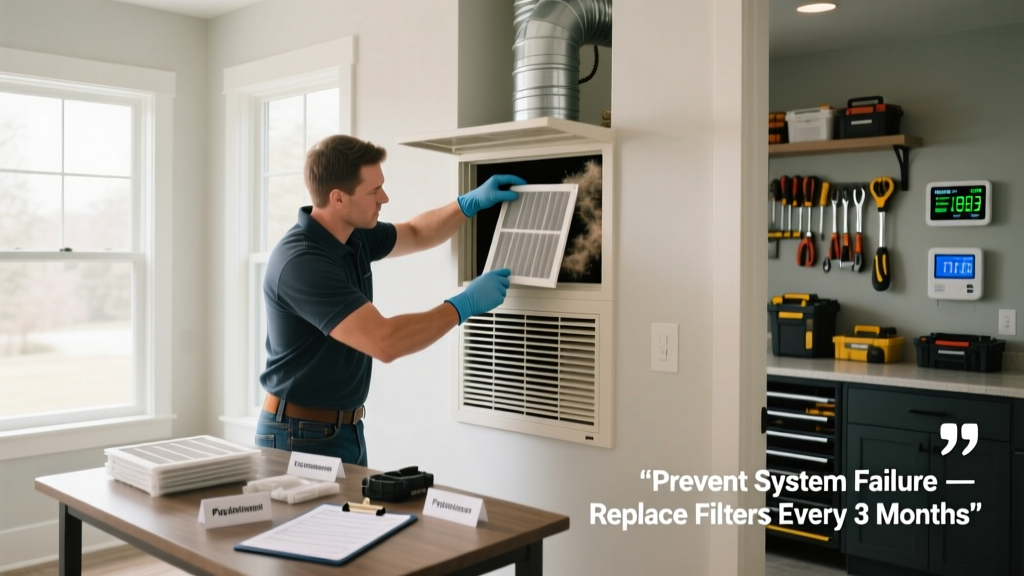
Every 3 months—no exceptions. Unlike HVAC filters, MAU filters sit directly in the path of raw outdoor air, catching pollen, road dust, and insect debris year-round. A clogged filter drops airflow by up to 40%, triggering low-CFM lockouts. Keep spare MERV-8 pleated filters (16x25x1) on hand—and mark your calendar when installing. For homes near construction zones or gravel roads, swap monthly.
What’s the minimum CFM my makeup air unit should deliver?
Match it to your largest exhaust device. Per ASHRAE 62.2-2022, required makeup air equals 100% of the highest-rated exhaust fan’s CFM rating—plus 15% for duct losses. So if your range hood is rated at 900 CFM, size your MAU for at least 1,035 CFM. Undersizing is the #1 reason homeowners report persistent negative pressure. Use our range hood CFM calculator to confirm your current setup.
Can I add makeup air to an existing home without ductwork?
You can—but skip the ductless “vent-free” boxes sold online. They’re illegal in 47 states per IRC M1507.2 and don’t meet combustion air requirements. Instead, install a dedicated 6-inch rigid duct from outside to a wall-mounted MAU box with a pressure sensor (like the NuTone 8663). It takes one afternoon, costs under $450 in materials, and passes inspection when wired to your range hood’s high-speed circuit. See our retrofit guide for step-by-step photos and code citations.
"Most 'MAU not working' calls we get aren't about broken parts—they're about missing annual damper travel checks and forgotten filter swaps. Two minutes, twice a year, prevents 90% of field failures." — Carlos Mendez, NATE-certified HVAC Field Trainer, HVAC Excellence, 2023
Makeup air isn’t optional infrastructure—it’s safety-critical ventilation insurance. Treat it like your smoke detector: test it regularly, document each check, and replace components before they wear out. A well-maintained system runs silently, delivers consistent airflow, and keeps your home safely pressurized—even during holiday cooking marathons or storm-driven wind loads. Start with your damper this weekend. Your furnace—and your family—will thank you.