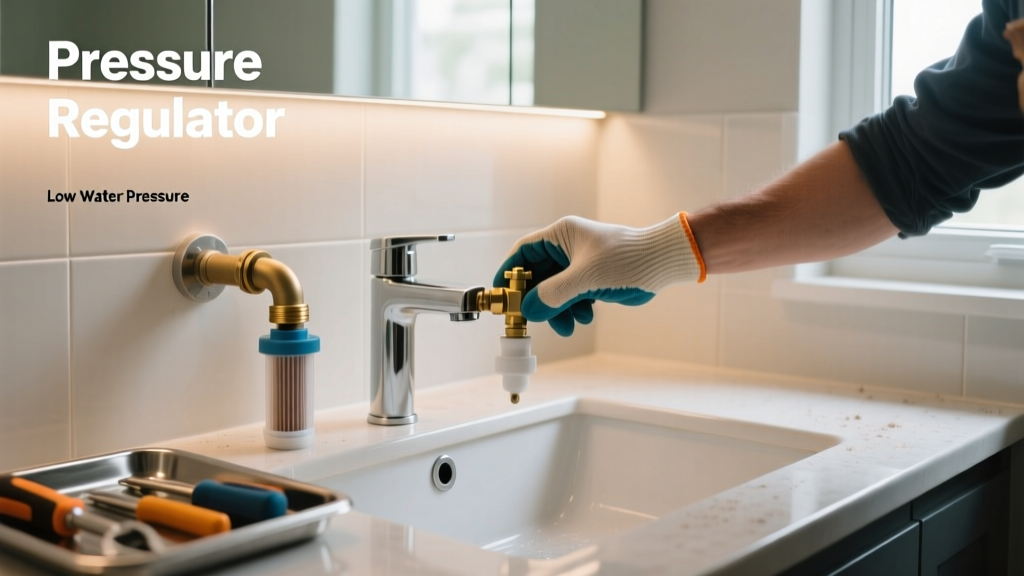
Low water pressure isn’t just an annoyance—it’s a red flag that something’s wrong in your plumbing system. Ignoring it can lead to hidden leaks, premature fixture failure, or even undetected corrosion inside pipes. Worst case? A sudden drop precedes a burst pipe, especially in older homes with galvanized steel lines installed before 1980.
Why This Happens
Low pressure rarely appears out of nowhere. It’s usually the symptom of one—or more—of these underlying issues:
- Mineral buildup in aerators, showerheads, and supply lines (especially in homes with hard water above 7 gpg)
- Partially closed shutoff valves—often overlooked at the water meter, main line, or individual fixtures
- Corroded or narrowed pipes, particularly galvanized steel pipes over 40 years old
- Faulty pressure regulator (if your home has one), commonly failing between 7–12 years of service
- Municipal supply fluctuations, especially during peak demand hours or after nearby construction
Maintenance Checklist
Consistency beats crisis. Follow this time-based schedule to keep pressure steady year after year:
| Task | Daily | Weekly | Monthly | Yearly |
|---|---|---|---|---|
| Clean faucet aerators | ✓ | |||
| Check for dripping faucets or running toilets | ✓ | |||
| Inspect visible supply lines for kinks or corrosion | ✓ | |||
| Test whole-house pressure (ideal: 40–80 psi) | ✓ | |||
| Flush water heater sediment | ✓ | |||
| Replace pressure regulator (if >10 years old) | ✓ (pro-recommended) |
Warning Signs
Don’t wait for the shower to sputter. These subtle clues often appear weeks before noticeable pressure loss:
- One fixture performs poorly while others are fine (points to localized clog or valve issue)
- Pressure drops only when multiple fixtures run simultaneously (suggests undersized piping or failing regulator)
- Gurgling sounds near the water heater or main line (indicates air pockets or sediment blockage)
- Discolored or metallic-tasting water (early sign of pipe corrosion)
- Visible white crust on aerators or showerhead nozzles (hard water mineral deposits)
Recommended Products
Not all tools are equal—and some make prevention easier without calling a plumber every six months. Focus on these categories:
- Threaded pressure gauges (e.g., Lisle 25350) that screw onto any outdoor spigot—no tools needed
- Vinegar-soak kits for aerators and showerheads (like OXO Good Grips Showerhead Soak Bag)
- Whole-house water softeners rated for your home’s GPG level (test first with a water hardness test kit)
- Brass compression shutoff valves instead of plastic—less prone to seizing or cracking
- Stainless steel braided supply lines (e.g., GROHE SpeedClean) with built-in debris filters
Can a water softener really prevent low pressure?
Yes—if hard water is your culprit. The U.S. Geological Survey reports that homes in regions with >12 gpg hardness see 3x more aerator clogs within 18 months. Softeners don’t boost pressure directly, but they stop calcium and magnesium from accumulating inside valves and lines. Install one upstream of your pressure regulator to protect both.
What’s the safest way to check my home’s water pressure?
Screw a calibrated pressure gauge onto an outdoor spigot *before* any irrigation valves or hose attachments. Turn the spigot fully open and read the static pressure. Then turn on two indoor fixtures (e.g., kitchen faucet + bathroom shower) and recheck—dynamic pressure should stay above 40 psi. If it drops below 35 psi, investigate regulator function or pipe sizing.
"Over 60% of pressure regulator failures show no external signs—only testing reveals the 10–15 psi drop that triggers cascading fixture issues." — Plumbing Standards Institute, 2021 Field Service Report
My home has galvanized pipes. What should I watch for?
Look for flaking rust inside exposed pipe sections, reduced flow even after cleaning aerators, and inconsistent pressure across floors (upper floors suffer first). Galvanized pipes lose up to 50% internal diameter over 40–50 years. If your home was built before 1975 and you’ve never replaced supply lines, budget for partial repiping—start with the cold-water main and bathroom branches. See our galvanized pipe replacement cost guide for realistic estimates.
Does pipe insulation help maintain pressure?
No—but it helps maintain *temperature*, which indirectly affects perceived pressure. Cold pipes contract slightly; hot pipes expand. More importantly, insulated hot lines reduce thermal expansion stress on regulators and expansion tanks. In winter, uninsulated pipes near exterior walls can freeze partially, mimicking low-pressure symptoms—even if the main line is fine.
When should I call a plumber versus handling it myself?
DIY is safe for aerator cleaning, pressure testing, and checking accessible shutoff valves. Call a licensed plumber if: pressure drops below 30 psi on static test; you hear banging or hissing behind walls; or pressure fluctuates wildly without pattern. Also consult one before adjusting or replacing a pressure regulator—improper settings can damage appliances or void warranties. For long-term reliability, consider pairing a pro inspection with a plumbing inspection checklist.
Preventing low water pressure isn’t about perfection—it’s about consistency. A five-minute monthly check of your kitchen faucet aerator pays off in years of reliable flow, fewer emergency calls, and longer-lasting fixtures. Start small, track what you find, and upgrade components as they age—not after they fail.