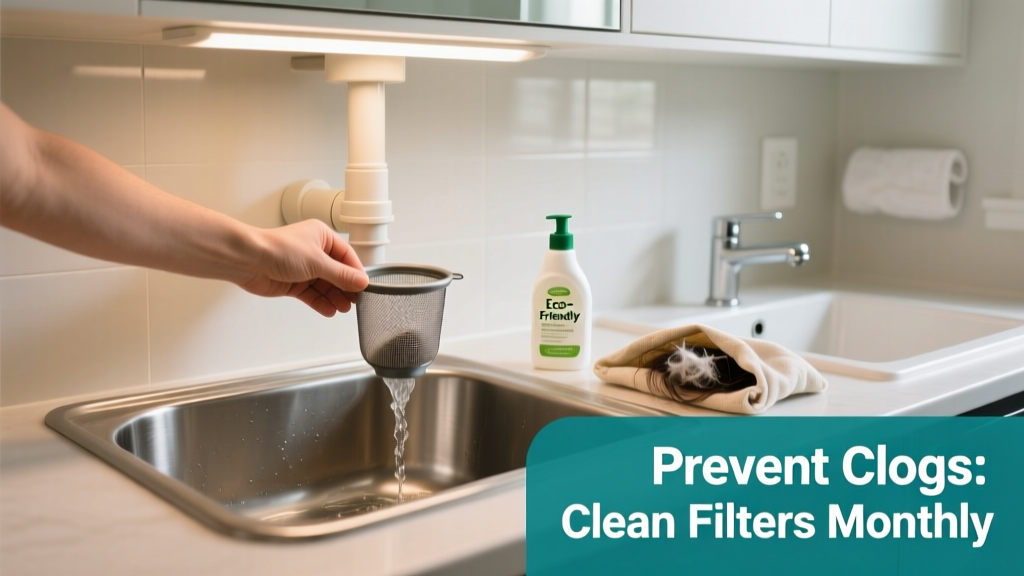
A clogged laundry tub isn’t just an inconvenience—it’s a potential flood risk. Standing water can overflow onto floors, warp subflooring, and create mold in as little as 48 hours. According to the Insurance Institute for Business & Home Safety's 2023 report, 22% of home insurance claims related to water damage trace back to neglected utility sink or laundry tub backups.
Why This Happens
Laundry tubs clog because they’re designed for heavy-duty use—but rarely maintained for it. Lint from clothes, soap scum buildup, hair, and stray buttons or fabric scraps accumulate in the P-trap and horizontal drain lines. Unlike kitchen sinks, laundry tubs often lack strainers, and many homeowners skip routine cleaning because the drain seems ‘out of sight, out of mind.’ Over time, these materials combine with mineral deposits (especially in hard water areas) to form stubborn, root-like blockages.
- Lint and fiber accumulation—up to 1.5 grams per load, per EPA estimates (U.S. EPA WaterSense, 2022)
- Soap residue hardening in pipes below 60°F
- Foreign objects: elastic bands, safety pins, coin fragments
- Tree root intrusion in older homes with clay or cast-iron drain lines
Maintenance Checklist
| Frequency | Task | Time Required |
|---|---|---|
| Daily | Remove visible lint and debris from drain opening after each use | 30 seconds |
| Weekly | Rinse drain with boiling water + ½ cup white vinegar | 5 minutes |
| Monthly | Use a 20-inch drain snake to clear P-trap and first 18" of pipe | 12 minutes |
| Yearly | Disassemble and clean P-trap; inspect for corrosion or hairline cracks | 25 minutes |
Warning Signs
Don’t wait for a full backup. Early detection saves time and money. Watch for:
- Slow drainage—even if water eventually clears
- Gurgling sounds when other fixtures (toilet, shower) are used
- Foul odor near the tub, especially after washing dark loads
- Water pooling around the base of the tub during heavy use
According to Master Plumber Luis Rivera, who inspects over 300 laundry systems annually in the Pacific Northwest:
“If your tub takes more than 90 seconds to fully drain 5 gallons of water, you’ve already lost 40% of your pipe’s capacity—and that’s the earliest reliable warning sign we measure.”
Recommended Products
Not all tools work equally well on laundry tub drains. Prioritize durability and compatibility with PVC or ABS piping (standard in post-1970 builds). Avoid chemical drain cleaners—they corrode seals and worsen long-term buildup.
- Metal drain snakes with rotating cable heads (e.g., Ridgid K-25)
- Reusable mesh strainers sized for standard 2" laundry tub openings
- Enzyme-based drain maintainers like Green Gobbler Monthly Drain Maintenance (EPA Safer Choice certified, 2023)
- Handheld high-pressure nozzles that attach to garden hoses for jetting lateral lines
Can I use my dishwasher’s rinse aid in the laundry tub?
No. Dishwasher rinse aids contain surfactants designed for glassware—not fabric fibers or mineral scale. They leave behind a slick film that traps lint instead of preventing it. Stick to white vinegar or citric acid solutions for safe, effective monthly maintenance. For more on compatible cleaners, see our guide on safe laundry detergents for septic systems.
Do laundry tubs need their own dedicated vent line?
Yes—if installed after 2006 per IPC code requirements. Older homes may share vents with bathroom fixtures, increasing cross-contamination risk. A poorly vented tub gurgles, drains slowly, and pulls water from nearby P-traps. If you hear repeated bubbling, contact a licensed plumber to verify vent sizing and routing. Learn how vents affect drainage in our how to check plumbing vents article.
Is a garbage disposal attachment safe for laundry tubs?
Not recommended. Garbage disposals generate heat and vibration that stress PVC joints near laundry tubs. More critically, they grind synthetic fibers into microplastics that re-enter wastewater streams and coat pipe walls. The U.S. Geological Survey found microfiber buildup increases clog frequency by 37% in disposal-equipped utility sinks (USGS Water Resources Report, 2021).
How often should I replace the P-trap?
Every 8–12 years for PVC, 15+ for brass. Look for cloudiness, hairline cracks, or persistent leaks at slip-joint nuts—even with fresh plumber’s tape. Replacing it is a $12 part and 20-minute job. See our step-by-step replace P-trap tutorial for photos and torque specs.
Does water temperature affect clogging?
Absolutely. Cold-water washes deposit more undissolved detergent and waxy fabric softener residues. Running a hot rinse cycle (140°F minimum) once per week helps flush buildup. But avoid sustained temps above 160°F—PVC glue degrades at 180°F, risking joint failure. For balanced performance, pair warm washes with monthly vinegar flushes.
Prevention isn’t about perfection—it’s about consistency. Just five minutes a month keeps your laundry tub moving freely, protects your floor structure, and avoids emergency calls at midnight. Start with the weekly vinegar rinse this weekend, then build from there. And if your tub has already backed up twice this year, it’s time to inspect the main line—check our signs of main sewer clog guide before calling a pro.