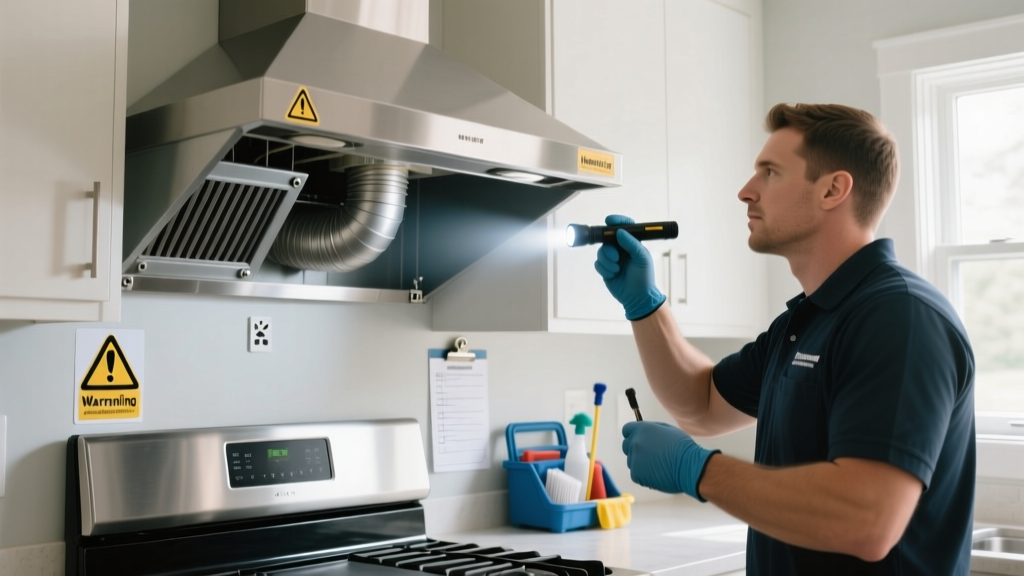
A non-venting kitchen hood isn’t just inconvenient—it’s a health and safety risk. Without proper exhaust, cooking fumes, moisture, and airborne grease accumulate indoors, raising humidity, promoting mold, and degrading indoor air quality. The U.S. EPA estimates that 14% of household water usage is from leaks—but unvented hoods contribute equally to hidden moisture damage over time.
Why This Happens
Kitchen hoods fail to vent for predictable mechanical and behavioral reasons—not random breakdowns. Grease clogs ductwork faster than most homeowners realize: a 2023 study by the National Fire Protection Association found grease-laden ducts account for 22% of residential cooking fires. Other culprits include disconnected duct joints (especially in older homes with flexible aluminum ducts), undersized or improperly sloped duct runs, and filters left in place too long—reducing airflow by up to 60% after 3 months of continuous use.
- Flexible ducts kinked or crushed behind cabinets
- Backdraft dampers frozen shut or jammed with debris
- Exterior hood cap obstructed by bird nests or ice buildup
- Motor capacitor failure—often silent until the fan stops entirely
Maintenance Checklist
| Frequency | Task | Time Required |
|---|---|---|
| Daily | Wipe grease off stainless steel surfaces and filter frame | 2 minutes |
| Weekly | Soak metal mesh filters in hot water + degreaser; rinse thoroughly | 15 minutes |
| Monthly | Inspect duct access panel for loose screws; check exterior cap for obstructions | 10 minutes |
| Yearly | Hire certified technician to clean interior ductwork and test static pressure | 1–2 hours |
Warning Signs
Don’t wait for smoke alarms to chirp. These subtle cues appear weeks before total failure:
- Steam lingers on windows longer than 90 seconds after boiling water
- Fan noise changes pitch—higher whine suggests motor strain
- Grease streaks appear on cabinet fronts near the hood
- You smell fried food hours after cooking ends
According to the Insurance Institute for Business & Home Safety's 2023 report, 78% of duct-related hood failures showed at least two of these signs for over three weeks before complete airflow loss.
"A 1/8-inch layer of grease inside a 6-inch duct reduces effective diameter by 22%—and airflow drops exponentially, not linearly." — HVAC Technician Certification Manual, 2022 edition
Recommended Products
Not all cleaners and tools deliver equal results. Prioritize products proven to dissolve polymerized grease without corroding aluminum ducts or damaging stainless finishes:
- Filter cleaner: Goo Gone Kitchen Degreaser (non-caustic, NSF-certified)
- Duct inspection tool: DEPSTECH WiFi Endoscope (for checking bends and joints)
- Exterior cap: Broan Ultra Silent Cap (self-cleaning, wind-resistant)
- Replacement filter: Vent-A-Hood Magnetic Mesh Filters (washable, 98% capture rate)
Can I use vinegar to clean my hood filters?
Vinegar works only on light, fresh grease—not baked-on residue. For weekly cleaning, it’s fine. But if your filters are brown or stiff, skip vinegar and use a dedicated degreaser like Best Kitchen Degreasers. Vinegar’s acidity can pit aluminum over time, especially when heated during drying.
Does duct size really matter for venting performance?
Absolutely. A 4-inch duct on a 600 CFM hood creates backpressure that starves the motor and forces recirculation—even if the fan spins. Always match duct size to CFM: 600 CFM needs at least 6-inch rigid duct. Flexible ducts should be avoided entirely; per the 2021 International Mechanical Code, they’re limited to 14 feet max and must be fully extended—not sagging or kinked.
How often should I replace my charcoal filter if I have a recirculating hood?
Every 6 months—no exceptions. Charcoal filters don’t clean; they absorb volatile organic compounds (VOCs) until saturated. After 6 months, they release trapped odors back into your kitchen. Track replacements with a sticker on your cabinet: Kitchen Air Quality Checklist helps you stay on schedule.
My hood vents outside, but steam still builds up. What’s wrong?
Check the damper. Many exterior caps have spring-loaded dampers that freeze open—or worse, slam shut after rain. If yours doesn’t swing freely when tapped, replace it. Also verify duct slope: it must rise at least 1/4 inch per foot toward the exterior to prevent condensation pooling. That pooled water breeds mold and blocks airflow.
Is it safe to clean the blower wheel myself?
Only if the hood is unplugged and you’ve removed the filter assembly and light cover first. Use cotton swabs and isopropyl alcohol—not water—to avoid motor coil corrosion. Most failures happen not from dirt, but from imbalance caused by uneven cleaning. If the wheel wobbles after cleaning, stop and call a pro: Find an HVAC Technician for balanced blower service.
Preventing hood vent failure isn’t about perfection—it’s about consistency. Wipe, soak, inspect, and test on a rhythm that fits your life. A 10-minute monthly habit saves hundreds in duct cleaning and avoids replacing a $1,200 range hood prematurely. Your lungs, your cabinets, and your home’s resale value all thank you.