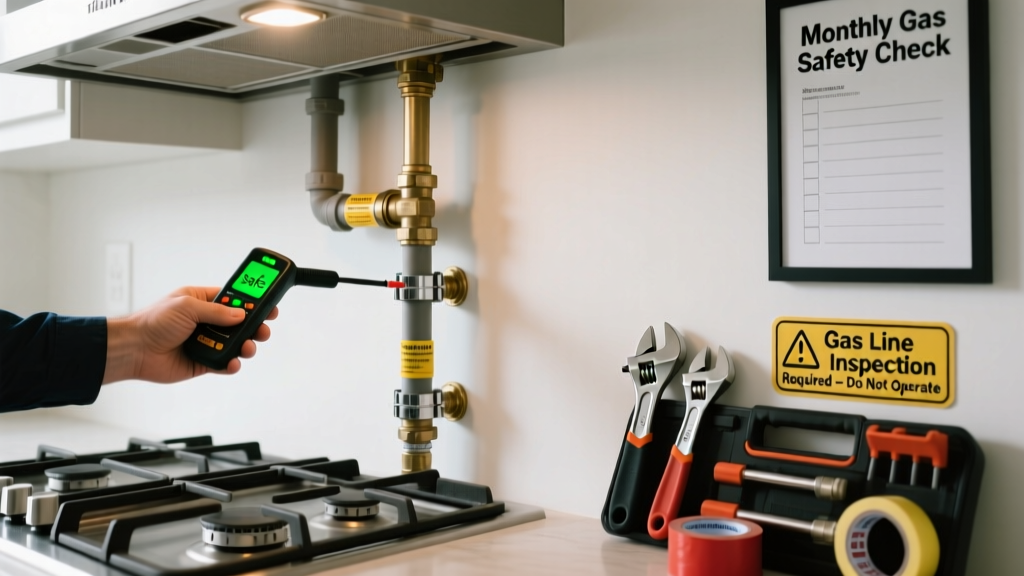
Natural gas powers stoves, water heaters, and furnaces — but a single undetected leak can escalate into fire, explosion, or carbon monoxide poisoning. According to the U.S. Consumer Product Safety Commission, an average of 13 gas-related fatalities occur annually in homes due to leaks and improper ventilation (2022 report). Prevention isn’t optional; it’s the most effective safety layer you control.
Why This Happens
Gas line leaks rarely appear without warning — they’re usually the result of cumulative wear or avoidable oversights. Corrosion from soil moisture or chemical exposure eats through older black iron piping. Improper installation — like over-tightened fittings or mismatched thread sealants — creates micro-fractures that worsen under pressure. Ground shifting during droughts or freeze-thaw cycles stresses underground lines, especially where joints meet concrete slabs. Rodents chewing through flexible CSST (Corrugated Stainless Steel Tubing) is also documented in 12% of CSST-related incidents reported to the National Fire Protection Association (NFPA 54, 2023 edition).
Maintenance Checklist
| Frequency | Task | Who Should Do It |
|---|---|---|
| Daily | Sniff near appliances for sulfur (rotten egg) odor after turning on gas | Homeowner |
| Weekly | Check visible flex connectors for kinks, cracks, or discoloration | Homeowner |
| Monthly | Inspect exposed pipe joints with soapy water spray (bubbles = leak) | Homeowner |
| Yearly | Professional pressure test + visual inspection of buried/hidden lines | Licensed plumber or gas fitter |
Warning Signs
Early detection saves lives. Don’t wait for alarms — many homes lack functioning gas detectors, and some leaks release odorless mercaptan-free gas (e.g., propane in rural tanks). Watch for:
- Yellow or flickering flames on gas stove burners (should be steady blue)
- Hissing or whistling sounds near pipes, meters, or appliances
- Dead or discolored vegetation directly above buried lines
- Unexplained higher gas bills despite consistent usage
- Physical symptoms like headaches, nausea, or dizziness when indoors
Recommended Products
Not all tools are equal — invest in purpose-built gear that meets ANSI or CSA standards. Avoid generic hardware-store sealants on gas threads: only use pipe dope rated for natural gas (e.g., RectorSeal No. 5 or Oatey Great White). For DIY monitoring, choose UL-listed natural gas detectors with electrochemical sensors — not combustible-gas-only models. CSST requires bonding kits compliant with NFPA 54 2023 Section 7.13; never skip grounding.
- Gas leak detector sprays (e.g., Snoop Leak Detector)
- UL 1484–certified natural gas alarms (battery + hardwired options)
- CSST bonding kits with 6 AWG copper wire and listed clamps
- Thread sealant labeled "for natural gas" — never Teflon tape alone
Can I tighten a gas fitting myself if I smell gas?
No — tightening a leaking joint often worsens it. Turn off the main gas valve immediately, evacuate, and call your utility or a licensed gas fitter. Over-torquing corroded iron pipe can snap the fitting or crack the pipe wall. According to the American Gas Association’s Safety Field Manual (2021), “92% of homeowner attempts to repair gas leaks lead to increased leakage or system damage.”
How often should buried gas lines be replaced?
Black iron lines installed before 1980 typically last 30–40 years — but local soil pH, moisture, and backfill quality heavily influence lifespan. A 2022 study by the Pipeline and Hazardous Materials Safety Administration found that 68% of underground gas failures occurred in pipes over 35 years old. If your home was built before 1990 and hasn’t had a line replacement, schedule a camera inspection and pressure test.
Do gas detectors really work — and where should I install them?
Yes — but only if properly placed and maintained. Install one within 10 feet of every gas appliance (but not directly above or beside it), and another near sleeping areas. Replace units every 5–7 years; sensor drift renders older units unreliable. The U.S. EPA estimates that homes with working gas detectors reduce fatality risk by 52% in leak events (Indoor Air Quality Report, 2023).
Is flexible CSST safer than rigid pipe?
CSST is lighter and faster to install, but its thin walls make it vulnerable to lightning-induced arcing — unless properly bonded. Homes with CSST installed before 2009 are at highest risk. The NFPA now requires bonding within 72 inches of the meter or regulator, using a dedicated 6 AWG conductor. Unbonded CSST accounts for nearly 1 in 5 residential gas fires investigated by the U.S. Fire Administration (2022).
What’s the safest way to shut off gas in an emergency?
Locate your main shutoff valve — usually near the meter outside or in the basement. Use a 6-inch adjustable wrench (keep one taped to the valve). Turn the lever perpendicular to the pipe (a quarter-turn). Never use pliers — they can strip the valve. After shutting off, do not turn it back on yourself; contact your utility. As the PG&E Gas Safety Handbook (2023) states:
“Restoring gas service requires pressure testing, leak detection, and appliance re-lighting — all of which must be performed by certified personnel.”
Preventing gas line leaks starts long before the first hiss or odor — it begins with routine checks, informed upgrades, and knowing when to call a pro. Replace aging connectors, verify bonding on CSST, and treat your gas system like the high-pressure utility it is. Pair these habits with working detectors and a practiced emergency plan — then sleep easier knowing your home’s invisible fuel supply stays safely contained. For related guidance, see our gas appliance ventilation checklist and carbon monoxide detector placement guide.