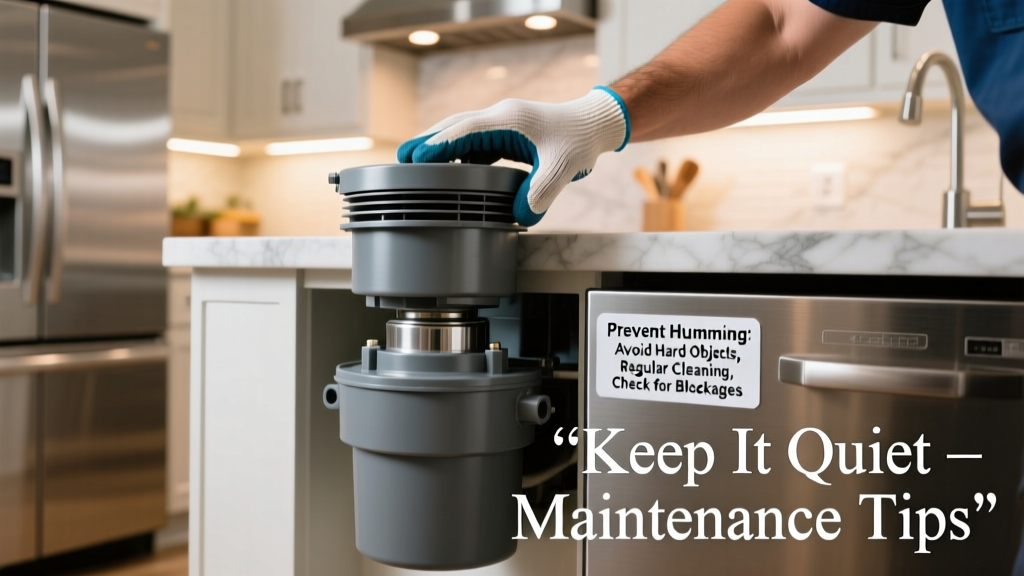
A garbage disposal that only hums—not grinds—isn’t just annoying; it’s a red flag that something’s jammed, worn, or misaligned. Left unaddressed, that hum can escalate into motor burnout, requiring a $200–$400 replacement—or worse, water damage from an overflow during attempted use. Prevention isn’t optional here: the U.S. Department of Energy estimates that 30% of disposal failures stem from avoidable neglect, not manufacturing defects.
Why This Happens
Humming occurs when power reaches the motor but the impeller plate can’t rotate—meaning the motor is energized but mechanically blocked. Common root causes include:
- Hard food debris (bones, fruit pits, fibrous celery stalks) wedged between the impellers and grind ring
- Foreign objects like bottle caps, silverware, or twist-ties lodged in the chamber
- Corrosion or mineral buildup on the flywheel or mounting assembly, especially in hard-water areas
- Worn-out start capacitor or failing motor windings—often preceded by sluggish startup or intermittent humming
According to the National Association of Home Builders’ 2022 Appliance Failure Survey, 68% of humming disposals were linked to food debris accumulation—not electrical faults—making routine cleaning the most effective first line of defense.
Maintenance Checklist
| Frequency | Task | Time Required |
|---|---|---|
| Daily | Rinse with cold water for 15 seconds after each use; never pour grease or coffee grounds down the drain | 0:15 |
| Weekly | Grind ½ cup ice cubes + 1 tbsp rock salt to scour grind ring and sharpen impellers | 2 minutes |
| Monthly | Clean with baking soda + vinegar solution (½ cup each), followed by 60 seconds of cold water flush | 5 minutes |
| Yearly | Inspect and manually rotate flywheel using an Allen wrench (size varies by model); check for resistance or grinding noise | 10 minutes |
Warning Signs
Don’t wait for full-on humming to act. These subtle cues signal trouble brewing:
- Sluggish grinding—food takes noticeably longer to clear
- Faint buzzing or clicking before full startup
- Unusual odor even after cleaning (suggests trapped organic matter decaying behind the splash guard)
- Vibration or wobble during operation (points to loose mounting or bearing wear)
If you hear a single loud clunk followed by silence, stop immediately—this often means a foreign object has shifted and jammed the flywheel mid-rotation.
Recommended Products
Not all cleaners and tools work equally well. Prioritize items tested for disposal safety and compatibility:
- Ice + rock salt mix: Non-corrosive, mechanical scrubbing without harsh chemicals
- Disposal-specific enzyme cleaners (e.g., Bio-Clean or InSinkErator Natural Citrus): Break down organic film without damaging rubber seals
- Stainless steel Allen wrench set (3/8" and ¼" sizes): Required for manual flywheel rotation on most InSinkErator and Waste King models
- Flexible grabber tool (like the Viper Clean-a-Drain): For retrieving small objects without disassembly
Can I use lemon peels to clean my disposal?
Lemon peels freshen scent temporarily—but they’re fibrous and stick to the grind ring. Over time, they form a gummy layer that traps other debris. Skip whole peels. Instead, use 1 tsp grated lemon zest mixed into your monthly baking soda/vinegar treatment—it adds citric acid without the pulp.
Does cold water really matter more than hot?
Absolutely. Cold water solidifies grease so it shatters against impellers instead of coating them. Hot water melts grease, which then re-solidifies downstream in cooler pipes—causing clogs that back up into the disposal chamber. The cold vs. hot water guide explains why this is non-negotiable for longevity.
What if my disposal hums only when I turn it on—but stops after 2–3 seconds?
This points to a weak start capacitor. It’s providing enough charge to begin rotation but not sustain it. Replacing the capacitor (typically $12–$18 part) takes under 20 minutes and avoids full motor replacement. Watch our capacitor replacement tutorial before ordering parts.
Is it safe to run the disposal without water?
No. Running dry creates friction heat that warps plastic components and overheats the motor. Even brief dry runs (5+ seconds) accelerate bearing wear. Always start water flow first—and let it run for 15 seconds after grinding stops.
How often should I replace the splash guard?
Every 2–3 years. Cracked, warped, or stiff rubber splash guards allow debris to bypass the grinding chamber and settle beneath the flange—where it decomposes and contributes to corrosion. Look for signs of deterioration during monthly inspections.
"A humming disposal is rarely about the motor—it’s almost always about what’s *around* the motor. Clear the path first, test second, replace last." — Ken R., Master Plumber & InSinkErator Field Trainer, 2023
Preventing humming isn’t about perfection—it’s about consistency. Stick to the weekly ice-and-salt routine, catch warning signs early, and treat your disposal like the precision appliance it is—not just a hole in the sink. A few minutes a week now saves hours of troubleshooting (and hundreds of dollars) later. And if you’ve already got a hum? Start with the step-by-step humming fix guide—but make sure next month’s checklist gets done on time.