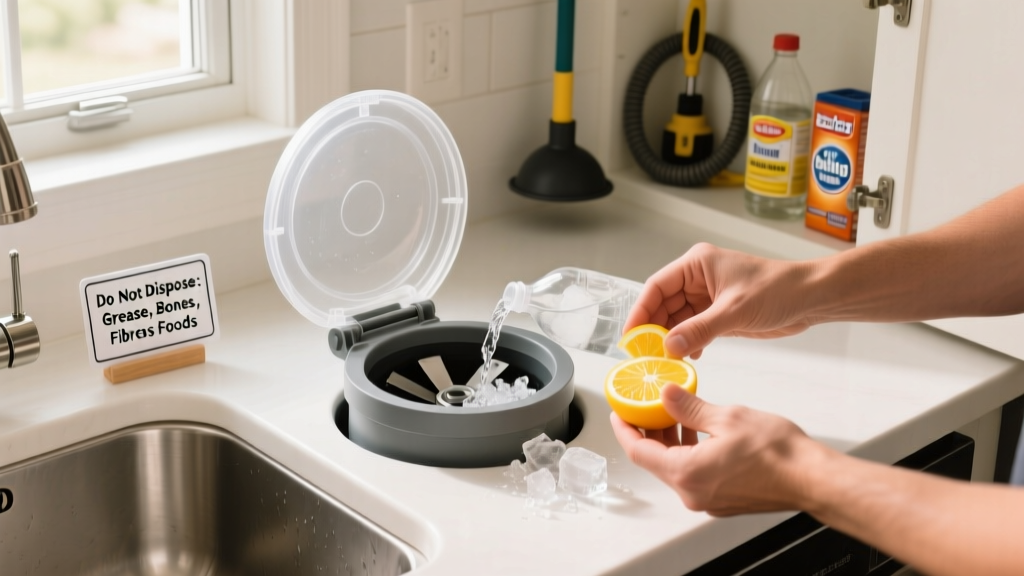
A clogged garbage disposal isn’t just inconvenient—it’s a red flag that grease, fibrous waste, or sediment is building up in your pipes. Left unchecked, it can lead to slow drains, sewage backups, or even pipe corrosion. The U.S. EPA estimates that 14% of household water usage is from leaks—and many begin as undetected disposal-related blockages (EPA WaterSense Report, 2022).
Why This Happens
Most clogs stem from misuse—not mechanical failure. Garbage disposals aren’t designed to handle everything labeled "food." Grease solidifies in pipes within minutes of cooling. Coffee grounds cling to pipe walls like glue. Eggshells fracture into fine, abrasive dust that binds with oil. And fibrous foods—celery, onion skins, corn husks—wrap around impellers or tangle in traps.
According to the Plumbing-Heating-Cooling Contractors Association’s 2023 field survey, 68% of disposal-related service calls involved improper disposal of fats or starchy foods—items easily avoided with basic awareness.
Maintenance Checklist
| Frequency | Task | Notes |
|---|---|---|
| Daily | Rinse with cold water for 15 seconds after each use | Cold water solidifies grease so blades can chop it; hot water melts it, letting it coat pipes |
| Weekly | Grind ½ cup ice cubes + 1 tbsp rock salt | Scours impellers and removes film buildup |
| Monthly | Pour ¼ cup baking soda + ½ cup white vinegar down drain, wait 10 min, flush with cold water | Neutralizes odor-causing bacteria and dissolves light organic residue |
| Yearly | Have a licensed plumber inspect trap and P-trap alignment | Improper slope or seal gaps cause standing water and debris accumulation |
Warning Signs
Don’t wait for total failure. Early detection saves time and money. Watch for:
- Drain gurgling when running the dishwasher or sink
- Foul odor that persists after cleaning
- Water backing up into the second sink bowl
- Disposal humming but not grinding (impeller jam)
- Visible sludge or gray film inside the drain flange
If you notice two or more of these, inspect the P-trap or call a pro before solids accumulate beyond the trap.
Recommended Products
Not all cleaners are safe—or effective—for disposals. Avoid caustic chemical drain openers: they corrode seals and degrade rubber splash guards. Instead, use:
- Enzyme-based cleaners (e.g., Bio-Clean, Green Gobbler) — digest organic matter without harming pipes
- Stainless steel disposal brush kits — reach under the flange to scrub biofilm
- Cold-water-only faucet attachments — ensure consistent cold rinse temperature, especially in warmer climates
For deeper maintenance, consider installing an air gap for dishwasher discharge—it prevents backflow contamination and reduces pressure on the disposal during simultaneous use.
Can I put citrus peels in my disposal?
Yes—but only in moderation. Lemon, lime, or orange rinds deodorize and contain d-limonene, which helps break down light grease. Never overload: limit to one small peel per week. Overuse can leave sticky residue that attracts debris. Always run cold water while grinding.
Is it okay to grind bones or nuts?
No. Even small chicken bones or walnut shells exceed the disposal’s design tolerance. They chip impellers, scratch stainless chambers, and create micro-fractures where bacteria thrive. A 2021 study by the National Association of Home Builders found bone fragments accounted for 12% of premature disposal replacements.
What should I do if my disposal smells like rotten eggs?
That sulfur odor means hydrogen sulfide gas is forming—usually from decaying food trapped in the baffle or P-trap. Turn off power at the breaker, then scrub the rubber splash guard with a vinegar-dampened toothbrush. Follow with the monthly baking soda/vinegar treatment. If odor returns in under 7 days, check for a cracked P-trap—see our guide on how to fix a leaky P-trap.
Do I need a special disposal for a septic system?
Yes. Standard disposals overload septic tanks with undigested solids. Choose a septic-safe model (look for NSF/ANSI Standard 46 certification) and pair it with regular septic enzyme additives. The University of Minnesota Extension recommends limiting disposal use to no more than 2–3 times per week in homes with septic systems.
Why does my disposal work fine but the drain is still slow?
The problem likely lies downstream—in the trap, branch line, or main stack—not the disposal itself. A slow drain with normal disposal function points to buildup past the unit. Try snaking the P-trap first (it’s accessible and often holds the bulk of debris). If that fails, check for vent blockage: a clogged roof vent causes sluggish drainage across multiple fixtures.
"Over 90% of disposal-related clogs occur in the first 3 feet of pipe—not inside the unit. Always inspect the trap before assuming the disposal is faulty." — Master Plumber Elena Ruiz, PHCC National Training Institute, 2023
Prevention isn’t about perfection—it’s about consistency. Rinse cold. Skip the grease. Replace worn splash guards every 3–5 years. And remember: your garbage disposal is a grinder, not a trash compactor. When in doubt, throw it out—or compost it. For related help, see our guides on how to unclog a kitchen sink without chemicals and how to stop smelly drains in the kitchen.