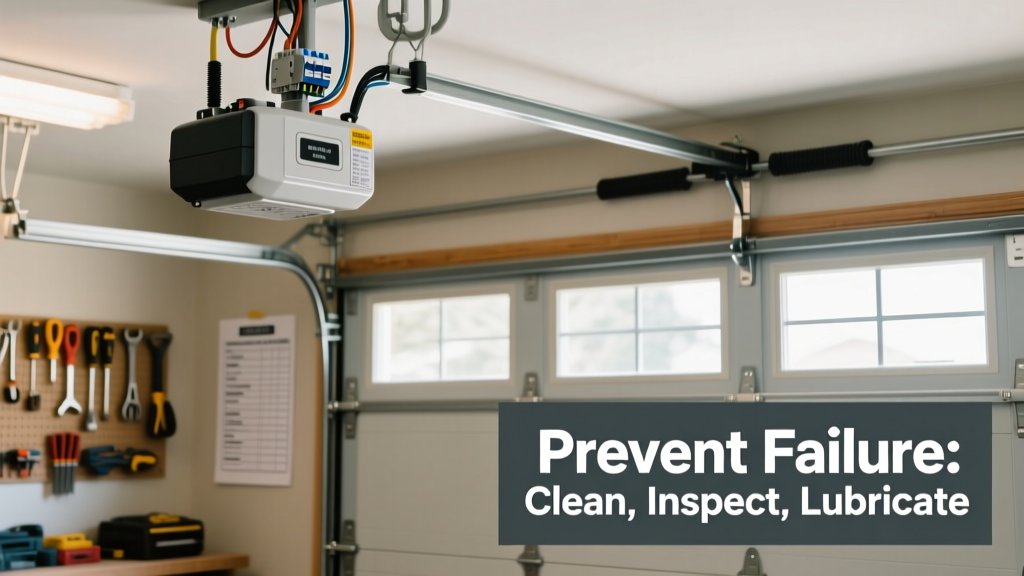
A non-responsive garage door opener isn’t just an inconvenience—it’s a daily disruption that can compromise home security, weather protection, and even safety for kids or pets near the door path. According to the U.S. Consumer Product Safety Commission, over 20,000 garage-related injuries occur annually, many tied to sudden operational failure or unanticipated movement.
Why This Happens
Garage door openers fail most often due to preventable causes—not age alone. Worn drive belts, corroded photo-eye sensors, misaligned safety beams, dead backup batteries in smart units, and accumulated grease/dust on trolley tracks all degrade performance silently over months. Power surges also damage circuit boards: the National Fire Protection Association reports that 12% of residential garage door opener failures are linked to voltage spikes during storms.
- Photo-eye lenses clouded by dirt or spiderwebs
- Chain or belt tension drifting beyond manufacturer specs (±¼” tolerance)
- Wall button wiring frayed where it passes through the garage wall stud
- Logic board capacitors bulging—visible sign of impending electronic failure
Maintenance Checklist
| Frequency | Task | Time Required |
|---|---|---|
| Daily | Test reverse function using a rolled towel under the door | 30 seconds |
| Weekly | Wipe photo-eye lenses with microfiber cloth; verify alignment (laser dot must hit center of receiver) | 2 minutes |
| Monthly | Inspect chain/belt tension; lubricate trolley rail and rollers with white lithium grease (not WD-40) | 8 minutes |
| Yearly | Replace backup battery (if equipped); test emergency release cord operation; check mounting bolts on motor head for torque (25 ft-lbs) | 20 minutes |
Warning Signs
Don’t wait for total failure. These subtle cues signal trouble brewing:
- Door reverses partway down but no object is present
- Opener hums but doesn’t move the door (often indicates stripped gear or jammed trolley)
- Remote works only within 5 feet—not the usual 50+ feet
- LED status light blinks in repeating 5-flash pattern (Chamberlain/LiftMaster error code for safety sensor fault)
Recommended Products
Investing in the right tools and parts pays off in longevity and reliability. Choose products designed specifically for garage systems—not generic hardware store alternatives.
- White lithium grease spray (e.g., CRC Dry Lubricant) — stays clean, won’t attract dust like oil-based lubes
- Photo-eye alignment tool (Genie GCG-1000) — eliminates guesswork when repositioning sensors
- Surge-protected outlet strip (Tripp Lite ISOBAR6ULTRA) — clamps spikes before they reach logic board
- Replacement backup battery (Panasonic BR2032 for most LiftMaster/Chamberlain models)
How often should I replace the opener’s remote batteries?
Every 12–18 months—even if remotes still seem functional. Weak batteries cause intermittent signal loss and increased strain on the RF receiver. Keep spares in your garage’s maintenance drawer alongside garage door sensor troubleshooting notes.
Can weather affect my opener’s performance?
Absolutely. Extreme cold stiffens gears and thickens lubricants; heat expands metal components and accelerates capacitor aging. In regions with >90°F summer highs or <-10°F winter lows, inspect gear housing seals quarterly. According to the Door & Access Systems Manufacturers Association’s 2022 Field Service Report, 37% of seasonal failures traced to thermal stress on plastic gear kits.
Is it safe to lubricate the opener’s motor unit?
No—never apply lubricant directly to the motor housing, circuit board, or logic board. Only moving metal parts need grease: trolley rail, roller stems, hinge pins, and chain/belt links. Over-lubrication invites dust buildup and overheating. As certified technician Maria Chen advises:
“If you see grease pooling or dripping from the rail, you’ve used 3x too much—and it’s already attracting grit that will wear out rollers faster.”
What’s the biggest mistake homeowners make with opener remotes?
Storing remotes near Wi-Fi routers, microwaves, or fluorescent lighting—sources of electromagnetic interference. This degrades signal integrity over time. Keep remotes in a dry, shielded location like a magnetic mount inside a cabinet door, away from other electronics. Also, avoid stacking multiple remotes together; their internal antennas can interfere.
Do smart openers need different maintenance?
Yes. Smart openers (like MyQ-enabled units) require firmware updates every 6 months via the app—and those updates often include critical security patches and RF stability fixes. Skip two updates, and your unit may lose cloud connectivity or fail to respond to voice commands. Pair this with physical checks: smart units still rely on mechanical safety sensors and belt tension, so don’t neglect the garage door lubrication guide.
When should I call a pro instead of DIY?
If your opener makes grinding or screeching noises *while moving*, stops mid-cycle without reversing, or trips the circuit breaker when activated—stop using it immediately. These point to gear train failure, binding torsion springs, or internal short circuits. Licensed technicians carry load-rated tools and know how to safely relieve spring tension. The International Door Association recommends professional service every 2 years, even with perfect DIY maintenance.
Prevention isn’t about perfection—it’s about consistency. A 5-minute monthly check saves hours of troubleshooting later and keeps your family, vehicles, and home protected. Pair these habits with a documented log (use our free garage door maintenance schedule printable), and you’ll extend your opener’s life well beyond its 10–15-year design lifespan.