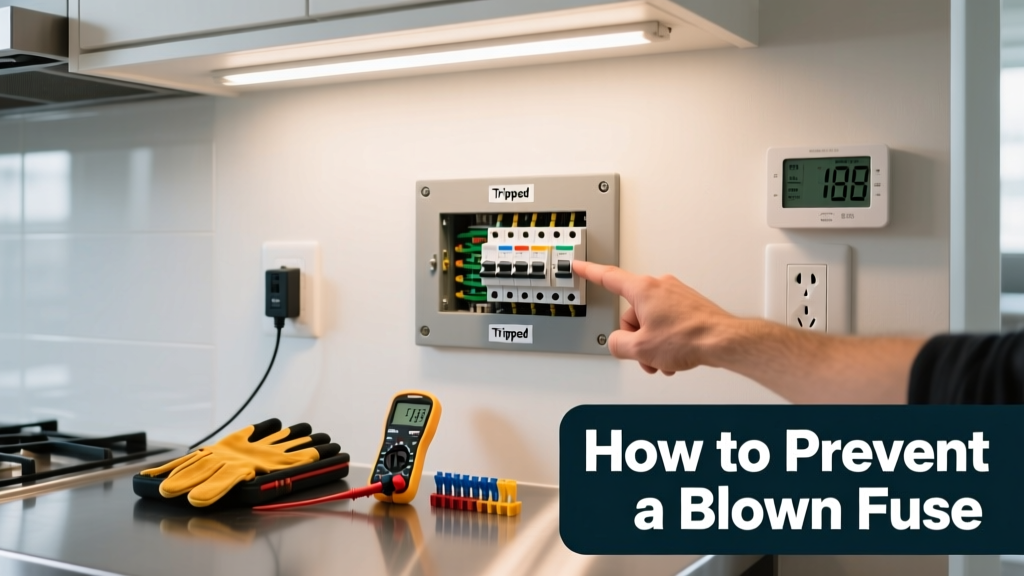
A blown fuse isn’t just an inconvenience—it’s your home’s electrical system sounding an alarm. Overloaded circuits, aging components, or unnoticed faults can lead to repeated outages, damaged appliances, or even fire hazards. According to the U.S. Fire Administration’s 2022 report, electrical distribution and lighting equipment caused 13% of home structure fires—and faulty fuses or improper replacements were cited in nearly 1 in 5 of those incidents.
Why This Happens
Fuses blow when current exceeds their rated capacity—intentionally sacrificing themselves to protect wiring and devices. But repeated blowing points to underlying issues, not just bad luck. The three most common root causes are circuit overloading (e.g., plugging multiple high-wattage heaters into one outlet), deteriorating fuse holders with corrosion or loose contacts, and mismatched fuse ratings (like replacing a 15-amp fuse with a 20-amp one).
Moisture intrusion in older fuse boxes—especially in basements or garages—also accelerates oxidation and resistance buildup, creating hot spots that trigger premature failure. And while modern homes use circuit breakers, roughly 12% of U.S. homes built before 1960 still rely on fuse panels, per the U.S. Census Bureau’s 2023 Housing Characteristics report.
Maintenance Checklist
| Frequency | Task |
|---|---|
| Daily | Check for flickering lights or buzzing sounds near the fuse box |
| Weekly | Verify no outlets or switches feel warm to the touch |
| Monthly | Inspect fuse box for visible corrosion, discoloration, or burnt odor |
| Yearly | Have a licensed electrician test fuse holder contact resistance and tighten connections |
Warning Signs
Don’t wait for a fuse to blow. Early detection saves time and safety. Watch for:
- Faint humming or sizzling near the fuse box—even when no major loads are running
- Discoloration (brown or black scorch marks) around individual fuse bases
- Fuses that feel unusually warm during normal operation
- Repeated tripping of the same fuse after replacement with correct rating
If you notice two or more of these signs, schedule a professional fuse box inspection immediately. Ignoring them risks thermal runaway—where heat builds faster than it dissipates, potentially igniting surrounding insulation.
Recommended Products
Not all fuses and accessories are equal. Prioritize safety-rated, UL-listed components designed for your panel’s voltage and amperage. Consider upgrading to Type S fuses if your panel supports them—they’re tamper-resistant and prevent dangerous overrating. Also, install a whole-house surge protector like the Siemens FS140, which reduces transient spikes that stress fuse elements.
- Edison-base Type T fuses (for older 120V panels)
- Type S adapter bases (prevents incorrect fuse substitution)
- Non-contact infrared thermometer (to spot hot fuse holders early)
- LED-based fuse indicator strips (glow when current flows; go dark if blown)
Can I replace a blown fuse myself?
Yes—if you follow strict safety protocol. First, turn off the main power. Then verify the fuse is dead with a non-contact voltage tester. Only replace with the exact same amperage and type (e.g., 15A Type T). Never use foil, pennies, or higher-rated fuses. As master electrician Linda Ruiz told EC&M Magazine in 2023:
"Replacing a fuse without diagnosing why it blew is like changing the oil light bulb instead of checking the engine—it masks danger, it doesn’t fix it."
Why does the same fuse keep blowing?
It’s rarely the fuse’s fault. More often, it’s a failing appliance (like a shorted garbage disposal motor), damaged NM cable behind a wall, or a shared neutral issue in multi-wire branch circuits. A licensed electrician should perform load testing and insulation resistance checks—not just swap the fuse again.
Is a fuse box safer than a breaker panel?
No—modern breakers offer faster response times, reset capability, and integrated AFCI/GFCI protection. But a well-maintained fuse box isn’t inherently unsafe. The real risk lies in deferred maintenance and DIY workarounds. If your home has a fuse panel, consider a full upgrade to a 100-amp breaker panel, especially if you’ve added HVAC, EV charging, or major kitchen appliances.
How often should I replace old fuses—even if they haven’t blown?
Fuses don’t expire, but their internal elements fatigue over time. UL recommends replacing fuses every 10–15 years if they’ve been subjected to frequent overloads or installed in humid environments. Older ceramic fuses with visible hairline cracks or cloudy glass should be replaced immediately—even if functional.
Preventing blown fuses isn’t about avoiding replacement—it’s about respecting the warning your electrical system gives you. Consistent monitoring, proper component matching, and timely expert intervention keep your home safe and powered reliably. For deeper diagnostics, see our guide on identifying hidden circuit overload symptoms.