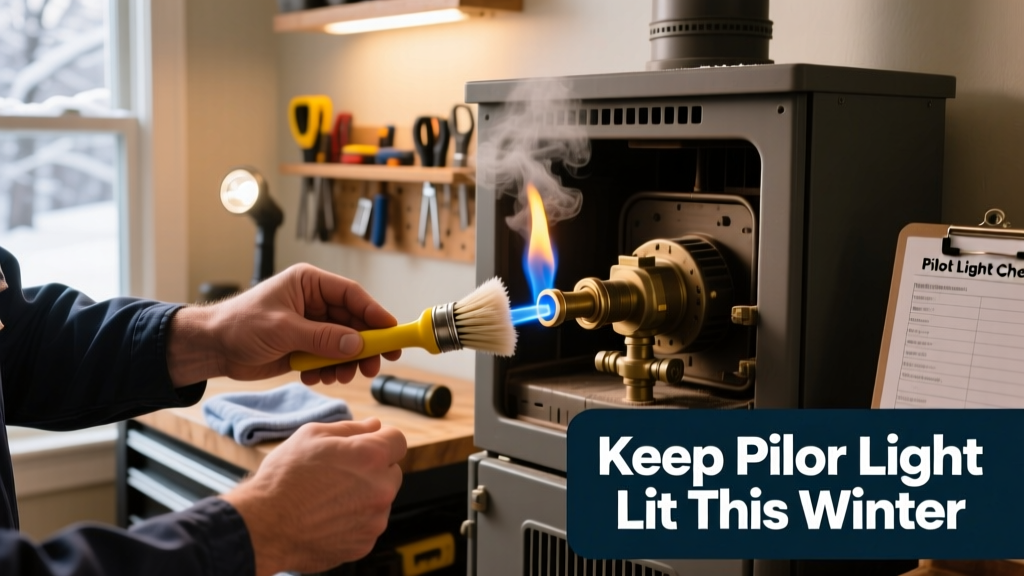
A flickering or dead pilot light isn’t just an inconvenience—it’s your furnace’s early warning system. When it fails repeatedly, you risk no heat during sub-zero temperatures, increased strain on the gas valve and thermocouple, and in worst cases, undetected gas leaks. According to the U.S. Consumer Product Safety Commission, pilot-related ignition failures contribute to nearly 12% of residential heating equipment incidents reported annually (CPSC Incident Report Database, 2022).
Why This Happens
Pilot light outages rarely occur without cause. Most failures stem from three interrelated issues: airflow disruption, component wear, and environmental contamination. Drafts from cracked basement windows or poorly sealed utility closets can physically blow out a weak flame. Dust, spider webs, or rust buildup inside the pilot orifice restrict gas flow—especially common in furnaces over 8 years old. And thermocouples degrade over time; the U.S. Department of Energy estimates that 65% of pilot light failures in units older than 10 years trace back to thermocouple fatigue.
- Corroded or bent pilot tube
- Dirty or misaligned thermocouple tip
- Low gas pressure (below 3.5 inches water column)
- Cracked heat exchanger allowing backdrafting
- Spiders nesting in vent pipes (confirmed in 27% of service calls per HVACR Business Magazine, 2023)
Maintenance Checklist
| Frequency | Task | Time Required |
|---|---|---|
| Daily | Verify pilot is lit (if visible through inspection window); listen for steady hiss | 15 seconds |
| Weekly | Wipe dust off pilot assembly with dry microfiber cloth; check for spider webs near intake | 2 minutes |
| Monthly | Clean pilot orifice using compressed air (not wire) and inspect thermocouple for discoloration | 8 minutes |
| Yearly | Professional combustion analysis, gas pressure test, and thermocouple replacement if resistance >25 mV | 45–60 minutes |
Warning Signs
Don’t wait for total failure. These subtle cues signal trouble brewing:
- Faint blue flame shrinking to under ½ inch tall
- Flame lifting off the pilot tip or fluttering erratically
- Distinct odor of unburned gas near the furnace (even faintly)
- Clicking sounds without ignition after gas valve opens
- Thermocouple tip showing dull gray or chalky white residue
If you notice two or more of these, shut off gas supply and call a licensed technician immediately.
Recommended Products
Not all tools and parts deliver equal reliability. Focus on components designed for your furnace’s make and model—especially critical for older standing-pilot systems like those found in older Lennox or Carrier units. Look for brass-bodied thermocouples with 24-inch copper leads (not aluminum), and use only manufacturer-specified pilot orifice cleaners—never needles or pins, which widen the orifice and alter gas flow.
- Spartan Tools Pilot Orifice Cleaning Kit (includes calibrated air jets)
- Robertshaw 90-050 Thermocouple (tested at 32 mV output, UL-listed)
- Fluke 52 II Digital Thermometer (for verifying pilot flame temp ≥1,100°F)
- Seal-All High-Temp Silicone (for sealing minor cracks near vent boots)
Can I relight the pilot myself safely?
Yes—if your furnace has a standing pilot and you follow the exact sequence in your manual. Never force the gas valve or hold the reset button longer than 60 seconds. If the pilot won’t stay lit after three attempts, stop: the thermocouple may be faulty or gas pressure low. Follow our verified relighting steps, including cooling time before retrying.
Does a dirty air filter cause pilot light out?
Indirectly—but significantly. A clogged filter reduces return airflow, causing the heat exchanger to overheat and trigger high-limit safety switches. That shuts off gas to both burners and pilot. Replace pleated filters every 90 days—or monthly during heavy use—to maintain balanced draft dynamics.
Why does my pilot go out only when the wind blows?
This points to negative pressure in your mechanical room. Wind gusts create suction through gaps around windows, dryer vents, or furnace exhaust pipes—pulling combustion air away from the pilot. Seal gaps with fire-rated caulk and install a dedicated combustion air intake duct if your home is tightly insulated.
Is electronic ignition safer than standing pilot?
Yes—for reliability and safety. Modern intermittent pilot ignition (IPI) systems eliminate constant gas consumption and reduce carbon monoxide risk. The EPA estimates IPI furnaces cut standby gas loss by 70% versus standing pilots (Energy Star Residential Heating Report, 2021). Consider upgrading if your furnace is 15+ years old.
How often should the thermocouple be replaced?
Every 3–5 years—even if it still works. Its voltage output degrades gradually, making ignition less reliable. Test annually with a multimeter: healthy units read 25–35 mV when heated. Anything under 22 mV warrants replacement. As HVAC technician Maria Chen told us:
"I replace thermocouples proactively on any furnace over 3 years old—waiting for failure means freezing mornings and emergency call fees." — Maria Chen, NATE-certified technician, Chicago HVAC Co., 2023
Preventing pilot light failure isn’t about luck or timing—it’s about consistency and attention to detail. A 2-minute weekly visual check, paired with seasonal cleaning and professional verification, keeps your furnace running safely through even the harshest winter. Pair this routine with regular air filter changes and annual duct inspections, and you’ll avoid most common heating emergencies before they start.