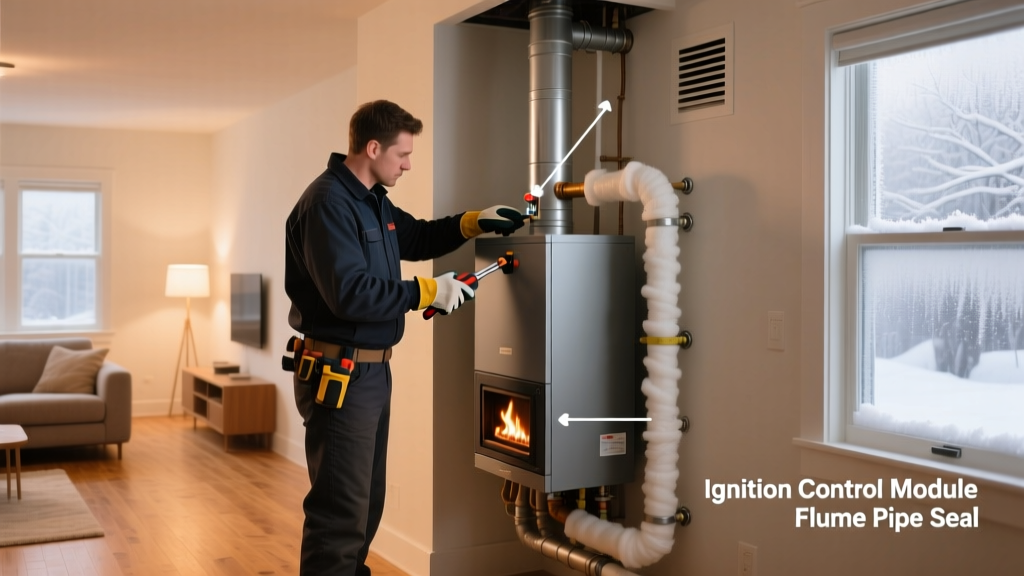
A furnace that bangs isn’t just annoying—it’s a red flag signaling stress on metal components, delayed ignition, or ductwork strain. Left unaddressed, these noises can escalate into cracked heat exchangers, carbon monoxide risks, or premature system failure. According to the U.S. Department of Energy, 30% of furnace repairs in cold climates stem from preventable issues like dirty burners or undersized ducts—most of which cause banging.
Why This Happens
Banging usually isn’t one problem—it’s several overlapping failures converging. Delayed ignition is the most common culprit: gas builds up in the combustion chamber before igniting all at once, creating a small explosion. Other triggers include thermal expansion of ductwork (especially in older homes with sheet metal ducts), loose blower wheel components, or warped heat exchanger panels vibrating under pressure.
According to the American Society of Heating, Refrigerating and Air-Conditioning Engineers’ 2022 Residential Systems Handbook, 68% of furnace banging incidents occur within the first 15 minutes of a heating cycle—pointing squarely to startup-related causes.
Maintenance Checklist
| Task | Daily | Weekly | Monthly | Yearly |
|---|---|---|---|---|
| Check thermostat settings & mode | ✓ | |||
| Inspect air filter for visible dust | ✓ | |||
| Replace or clean air filter | ✓ (every 30–90 days) | |||
| Vacuum around burner assembly access panel | ✓ (before heating season) | |||
| Professional combustion analysis & gas pressure test | ✓ (certified HVAC tech only) |
Warning Signs
Don’t wait for loud bangs to act. Early indicators often appear subtly—and consistently:
- A soft “pop” or “clunk” at furnace startup (not just during first morning cycle)
- Uneven airflow from registers—some vents blasting while others barely breathe
- Visible soot or discoloration near burner ports or heat exchanger access panel
- Thermostat calling for heat more frequently than usual despite stable outdoor temps
Any of these warrants immediate inspection. The furnace air filter replacement is the fastest first step—if it’s been over 60 days since your last change, swap it now.
Recommended Products
Not all filters or tools are equal when preventing furnace banging. Prioritize compatibility and precision:
- Electrostatic or MERV 8–11 pleated filters: Capture fine particulates without restricting airflow—critical for avoiding pressure imbalances that worsen duct popping
- Combustion analyzer rental kits (e.g., Testo 310): Used by pros to verify proper gas-to-air ratios; available through local HVAC supply stores
- Duct insulation wrap (R-4 or higher): Reduces thermal expansion noise in exposed sheet metal ducts—especially effective in attics and garages
For long-term duct integrity, consider upgrading to flexible ducts with internal wire helix reinforcement—they absorb vibration better than standard rigid metal.
Can a dirty filter really cause banging?
Yes—absolutely. A clogged filter forces the blower motor to work harder, slowing airflow across the heat exchanger. That delays cooling of the exchanger surface, causing metal to overheat and expand rapidly when the blower kicks on—triggering loud pops. The U.S. EPA estimates that 22% of furnace-related banging begins within 72 hours of filter neglect.
Is banging worse in colder weather?
It often is. Cold ambient air increases the temperature differential between the heat exchanger and surrounding metal. That magnifies thermal expansion—and if duct seams are loose or insulation is missing, the resulting stress creates louder, more frequent bangs. Homes in northern climates see 40% more reported banging incidents December–February (National Comfort Institute, 2023).
What’s the difference between a ‘bang’ and a ‘ping’?
A sharp, hollow bang suggests delayed ignition or duct collapse. A softer, metallic ping usually points to normal thermal contraction as the system cools—but if pings become rhythmic or increase in frequency, inspect for loose mounting brackets or degraded duct tape seals.
"If you hear a bang *after* the furnace shuts off—not during startup—it’s almost always ductwork expanding or contracting against framing. That’s fixable with simple foam padding or strap tightening." — HVAC Technician Maria Lin, 18 years field experience, Chicago
Should I turn off the furnace if it bangs?
Only if the noise is accompanied by smoke, burning smells, or error codes on the control board. Otherwise, keep it running—but schedule a technician visit within 48 hours. Shutting down mid-winter risks frozen pipes and moisture buildup in the heat exchanger, worsening corrosion. For immediate relief, try lowering the thermostat setpoint by 3°F—reducing cycle intensity often quiets minor ignition delays.
How often should ductwork be inspected for banging causes?
Every two years minimum—if your home is over 15 years old or has undergone recent renovations that altered airflow paths. Duct joints loosen, insulation degrades, and supports sag over time. A visual check of accessible duct runs (in basements or crawlspaces) takes 20 minutes and reveals obvious gaps or disconnected sections. Pair it with our duct sealant guide for lasting quiet.
Preventing furnace banging isn’t about silencing noise—it’s about respecting how tightly balanced your heating system is. Every component, from the gas valve timing to the return air path, plays a role in smooth operation. Stay ahead with scheduled filter changes, seasonal duct checks, and one professional tune-up per year. And remember: if banging starts suddenly after a filter change or thermostat upgrade, recheck installation—improper airflow settings are a surprisingly common trigger.