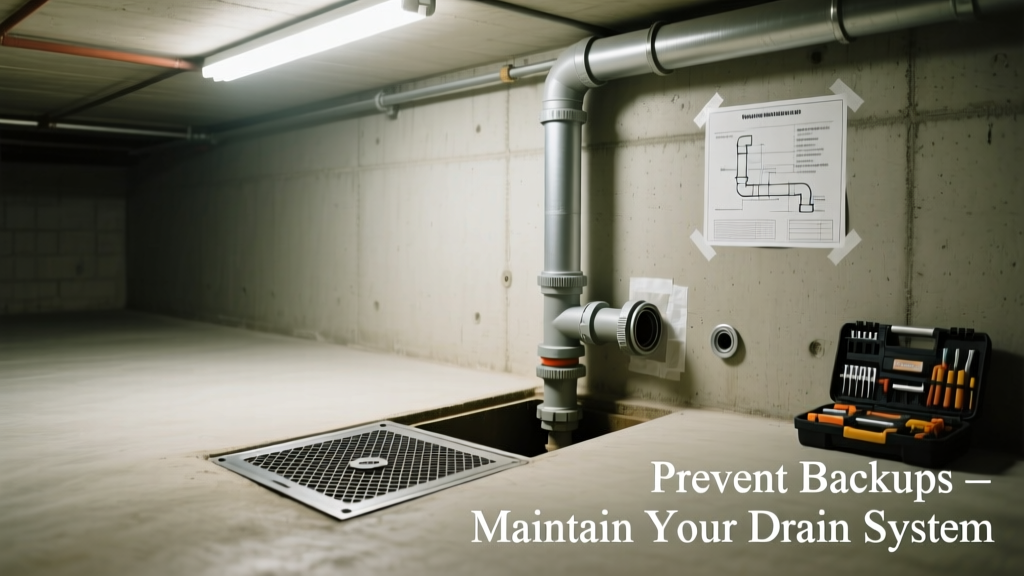
Floor drain backups aren’t just messy—they’re a red flag for deeper plumbing or sewer system issues that can escalate fast. A single backup in a finished basement can cost $5,000+ in repairs and mold remediation (Insurance Institute for Business & Home Safety, 2023). Worse, standing sewage-contaminated water poses serious health risks and may void homeowner’s insurance if deemed preventable.
Why This Happens
Most floor drain backups stem from three interconnected causes: main sewer line blockages, improper drain trap maintenance, and inadequate venting. Tree roots infiltrate clay or cast-iron sewer lines at an average rate of 12–18 inches per year (American Society of Civil Engineers, 2022), while hair, soap scum, and detergent residue accumulate in the P-trap beneath the grate—especially in laundry or utility room drains. When vents are clogged or missing, negative pressure forms, siphoning water out of traps and allowing sewer gases—and sometimes wastewater—to reverse course.
Maintenance Checklist
| Frequency | Task | Tools/Supplies Needed |
|---|---|---|
| Daily | Wipe debris off grate; check for visible obstructions | Microfiber cloth, flashlight |
| Weekly | Pour ½ cup baking soda + ½ cup white vinegar down drain; wait 15 min, flush with hot water | Baking soda, vinegar, kettle |
| Monthly | Remove grate and clean strainer basket; inspect P-trap for sludge buildup | Screwdriver, shop vac, pipe brush |
| Yearly | Have licensed plumber perform camera inspection of main sewer line and vent stack | Professional service only |
Warning Signs
Early detection is your best defense. Don’t wait for gurgling sounds or slow drainage—these often appear only after 60–70% of flow capacity is lost (National Association of Home Builders, 2021). Watch for:
- A persistent musty or sulfur odor near the drain—even when not in use
- Water pooling around the drain during heavy rain or when upstairs toilets flush
- Visible biofilm or greasy film inside the drain opening
- Grout discoloration or efflorescence on surrounding concrete
Recommended Products
Not all drain products work—or are safe—for floor drains connected to municipal sewers or septic systems. Avoid enzymatic cleaners marketed for 'septic safety' unless independently verified; many contain surfactants that disrupt bacterial balance. Instead, prioritize mechanical and passive solutions:
- Drain strainers with 1/8-inch mesh (e.g., Oatey Heavy-Duty Grate Cover) — stops lint, pet hair, and grit before entry
- Trap primers with timed solenoid valves (e.g., Zurn Z1060) — automatically replenishes water in infrequently used traps
- Stainless steel cleanout plugs with rubber gasket seals — prevents vapor leaks and allows quick access for snaking
Can I use chemical drain cleaners on floor drains?
No. Sodium hydroxide and sulfuric acid-based cleaners corrode older cast-iron or galvanized pipes and can damage PVC joints over time. They also kill beneficial bacteria in septic systems and violate EPA discharge guidelines for household wastewater. Stick to mechanical removal or non-toxic baking soda/vinegar treatments for routine cleaning.
Does installing a backwater valve help?
Yes—if installed correctly. A properly sized and certified backwater valve (ASSE 1070 compliant) stops sewage from reversing into your floor drain during municipal sewer surges. But it won’t fix internal blockages or vent issues. According to the U.S. EPA, homes with functioning backwater valves see a 92% reduction in sewer backup incidents—but only when paired with annual valve inspection and cleaning.
How often should I snake my floor drain?
Only when you observe slow drainage or hear gurgling—not on a fixed schedule. Over-snaking damages pipe interiors and dislodges scale that then migrates downstream to cause bigger clogs. If snaking is needed more than once every 18 months, investigate root intrusion or vent blockage instead of treating symptoms.
What’s the right water level in the P-trap?
It should be at least 2 inches deep—enough to form an effective seal against sewer gases. You can verify this by inserting a rigid wire with a bent tip: if it hits water within 2–3 inches of the grate, the trap is functional. If not, install a trap primer or manually pour 1 quart of water weekly into rarely used drains.
Is my floor drain connected to storm or sanitary sewer?
You need to know—because mixing the two violates local codes and increases flood risk. Check your home’s original plumbing drawings or contact your municipal utility department. In older homes built before 1975, floor drains were often tied to storm sewers—a major contributor to combined sewer overflows. If yours is misconnected, hire a licensed plumber to reroute it to the sanitary system. The cost of a sewer line inspection ($150–$300) is far less than the $8,000 average claim for sewer backup damage (III, 2023).
Do basement waterproofing systems prevent drain backups?
Only indirectly. Interior perimeter drains and sump pumps manage groundwater infiltration—not sewer line pressure. However, a high-capacity sump pump with a battery backup (e.g., Zoeller M53) can buy time during power outages coinciding with sewer surges. Pair it with a sump pump alarm to get notified before overflow occurs.
"A floor drain isn’t a trash can—it’s the last line of defense between your basement and the sewer main. Treat it like emergency equipment: inspect monthly, test quarterly, and service annually." — Gary L. Rasmussen, Master Plumber & IBHS Certified Flood Resilience Advisor, 2022
Preventing floor drain backups isn’t about perfection—it’s about consistency. Small actions, done regularly, stop small problems from becoming disasters. Keep your grate clear, your trap full, and your sewer line mapped. When your basement stays dry, your peace of mind stays intact.