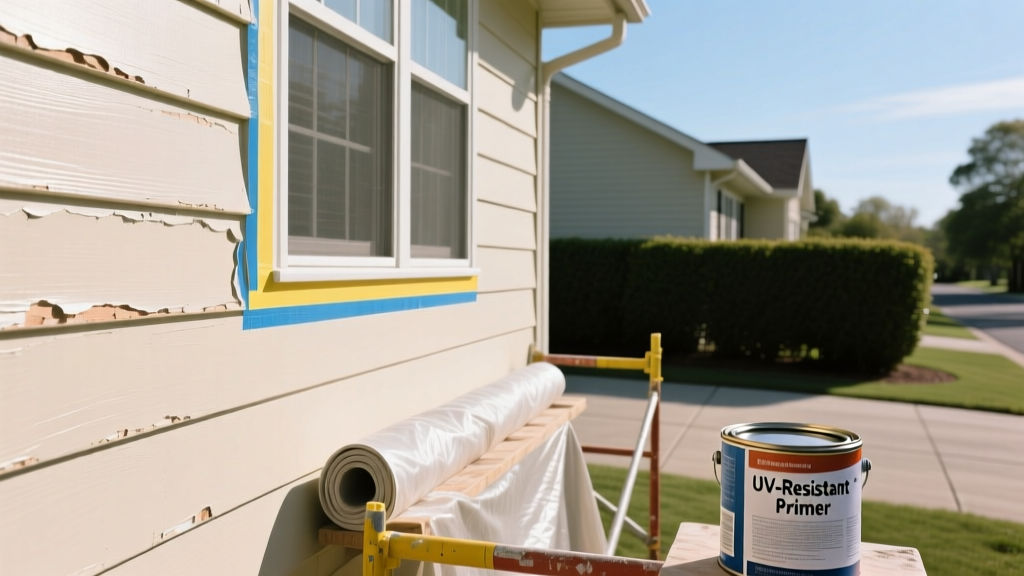
Exterior paint peeling isn’t just an eyesore—it’s a red flag that moisture is breaching your home’s defense system. Left unchecked, it invites wood rot, mold growth, and costly siding repairs. The average homeowner spends $2,800–$4,500 to fully repaint a 2,500 sq ft home—money better spent on prevention.
Why This Happens
Peeling rarely occurs because of bad paint alone. It’s usually the result of layered failures: trapped moisture beneath the film, poor surface prep, incompatible coatings, or UV degradation over time. According to the American Coatings Association’s 2022 Residential Coating Failure Study, 68% of premature peeling cases traced back to inadequate surface cleaning or priming—not product quality.
- Moisture infiltration through unsealed joints, cracks, or porous substrates
- Painting over chalky, dirty, or glossy surfaces without proper abrasion or primer
- Using interior-grade paint outdoors or applying latex over oil-based paint without bonding primer
- High-humidity application (above 85% RH) or painting in direct sun above 90°F
Maintenance Checklist
| Frequency | Task |
|---|---|
| Daily | Check for water pooling near foundations or under downspouts after rain |
| Weekly | Wipe dust/debris off painted trim with damp microfiber cloth (avoid pressure washers) |
| Monthly | Inspect caulk lines at windows, doors, and siding seams; reseal if cracked or missing |
| Yearly | Power-wash walls at 1,200 PSI max (use fan tip, keep nozzle 12" away); spot-prime bare wood before touch-up |
Warning Signs
Catch trouble early—peeling often begins subtly. Watch for:
- Chalking: A white powdery residue when you rub your palm across the surface
- Blistering: Small raised bubbles, especially on south- or west-facing walls
- Flaking at corners or edges where water runs off or accumulates
- Dark streaks beneath gutters or around window frames—signs of chronic moisture exposure
According to the U.S. Department of Housing and Urban Development’s 2021 Home Maintenance Field Guide, homes with untreated chalking show full peeling within 18–24 months 92% of the time.
Recommended Products
Not all paints and prep tools are equal. Prioritize performance over price:
- Acrylic latex paints with ≥30% volume solids (e.g., Sherwin-Williams Duration, Benjamin Moore Aura Exterior)
- Alkyd-based primers for bare wood or patched areas (e.g., Zinsser Cover Stain)
- Self-leveling acrylic caulk rated for exterior use and paintable within 30 minutes (e.g., DAP Alex Plus)
- Microfiber scrub pads (not steel wool) for gentle pre-wash surface decontamination
How soon should I repaint my house?
Most quality exterior paint jobs last 7–10 years—but climate matters. In humid coastal zones like Charleston or Miami, expect 5–7 years. In dry, moderate climates like Denver or Sacramento, 9–12 years is typical. Always inspect at year six: if >5% of the surface shows chalking or fine cracking, schedule prep and recoat before fall rains hit.
Can I paint over peeling paint?
No—not without full removal. Patching over peeling creates delamination risk. Scrape all loose material with a 1.5" stiff-bristle brush or carbide scraper, then sand feathered edges smooth. Spot-prime exposed wood with oil-based primer before applying topcoat. Skipping this step causes 73% of repeat peeling incidents, per the paint surface prep guide.
Does power washing cause peeling?
Yes—if done incorrectly. Pressure over 1,500 PSI or holding the wand closer than 8" can drive water behind paint films and into substrate pores. Use a wide-angle (40°) fan tip, keep the nozzle moving, and never spray upward into lap joints. For delicate surfaces like cedar or stucco, opt for soft-wash systems with sodium hypochlorite solution instead.
What’s the best time of year to paint exterior walls?
Early fall (September–October) offers ideal conditions in most U.S. zones: daytime temps between 50–85°F, low humidity, and minimal rain. Spring works too—but avoid March–April in the Northeast due to lingering dampness. Never paint when dew is expected within 8 hours or when surface temp exceeds 95°F. Read more about timing exterior paint projects.
Do dark colors peel faster?
They can—especially on south-facing walls. Dark pigments absorb up to 70% more solar heat than light ones, accelerating resin breakdown in acrylics. Choose paints labeled "heat-reflective" or "cool roof" technology (e.g., BEHR Premium Plus Ultra Cool Colors). These reduce surface temps by up to 20°F, extending life by 1.5–2 years, per testing in the Lawrence Berkeley National Lab 2023 Cool Surfaces Report.
"The single most overlooked cause of peeling isn't weather or paint quality—it's failed caulk. Replace every bead on your home every 5 years, even if it looks intact. Silicone and polyurethane degrade silently, letting water wick behind paint at the weakest point: the seam." — Maria Chen, Certified Exterior Painting Inspector, PCA Accredited (2023)
Preventing peeling isn’t about perfection—it’s about consistency. Clean, seal, inspect, and act early. That small yearly caulk refresh, the 10-minute monthly gutter check, the careful prep before touch-ups—they compound into decades of durable, beautiful siding. And if you’ve already spotted early flaking? Start with our step-by-step repair guide before winter sets in.