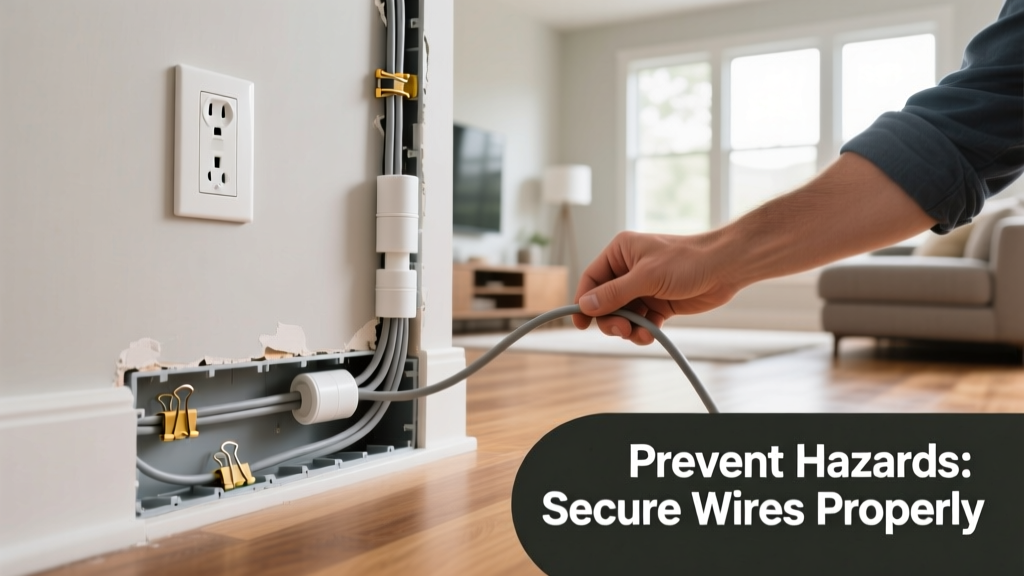
Exposed electrical wires aren’t just an eyesore—they’re a serious safety hazard. According to the U.S. Fire Administration’s 2022 report, faulty wiring causes over 34,000 home fires annually, resulting in nearly 400 deaths. Most of these incidents begin with unnoticed damage or improper installation that could’ve been caught early.
Why This Happens
Electrical wires become exposed due to predictable, preventable factors—not random failure. Rodent chewing accounts for roughly 27% of residential wiring damage reported to the National Fire Protection Association (NFPA, 2021). Other top causes include physical abrasion from furniture movement, aging insulation cracking (especially in homes built before 1985), DIY modifications without proper junction boxes, and moisture intrusion in damp areas like basements or garages.
- Older NM-B (non-metallic sheathed) cable with brittle paper wrap deteriorates faster in high-humidity zones
- Improperly secured cables behind drywall can rub against framing nails over time
- Over-tightened clamps at panel entries pinch and split outer jackets
Maintenance Checklist
| Frequency | Task |
|---|---|
| Daily | Check cords on portable appliances for kinks, fraying, or warm spots during use |
| Weekly | Inspect visible outlets and switches for discoloration, buzzing sounds, or loose faceplates |
| Monthly | Verify GFCI and AFCI breakers trip correctly using test buttons; reset if needed |
| Yearly | Hire a licensed electrician to inspect attic, basement, and panel connections for insulation cracks or rodent evidence |
Warning Signs
Don’t wait for sparks. Early detection saves lives—and rewiring costs. Watch for:
- Faint ozone or fishy odor near outlets or breaker panels (sign of arcing)
- Visible white powder or chalky residue on wire insulation (indicates thermal degradation)
- Outlets that feel warm to the touch—even when nothing’s plugged in
- Dimming lights paired with audible humming from walls or ceilings
If you spot any of these, shut off the circuit at the breaker and call a professional immediately.
Recommended Products
Not all protection is created equal. Choose products designed for long-term durability and code compliance:
- Self-sealing conduit: Ideal for retrofitting exposed runs in garages or workshops (e.g., Carlon Blue PVC-UL listed)
- Rodent-resistant NM-B cable: With steel-reinforced jacketing (Southwire Armored NM-B, rated for chew resistance per UL 610)
- Outlet and switch gaskets: Silicone-based seals that block dust/moisture ingress around device boxes
- Cable management kits: Include nylon ties, snap-in clips, and corner guards to reduce tension and abrasion points
Can I tape over exposed wire as a quick fix?
No—electrical tape is not a repair solution for damaged insulation. It degrades under heat and UV exposure, and offers zero mechanical protection. The National Electrical Code (NEC Article 300.4) requires physical protection (conduit, guard strips, or approved raceways) for wires within 7 feet of finished floor in accessible areas. Taping violates both safety standards and insurance requirements.
Do outlet covers prevent wire exposure inside the box?
Only if installed correctly. Loose or warped plastic or metal covers let dust, debris, and even small tools slip into the box—potentially nicking conductors. Use tamper-resistant (TR) receptacles and ensure faceplates are flush-mounted with no gaps. For older homes, upgrade to self-grounding outlets with integrated clamps to reduce strain on wire connections.
How often should I replace my home’s wiring?
There’s no universal expiration date—but insulation life spans vary. Rubber-insulated wiring (common pre-1950) lasts ~25 years; PVC-jacketed NM-B averages 40–60 years. Homes built before 1975 should be inspected by a licensed electrician every 5 years. As the Electrical Safety Foundation International notes in its 2023 Home Wiring Assessment Guide: “If your home has knob-and-tube, aluminum branch circuits, or cloth-wrapped wiring, assume it needs evaluation—regardless of apparent condition.”
Will surge protectors help prevent exposed wires?
Surge protectors safeguard electronics—not wiring integrity. They won’t stop insulation breakdown from physical stress or moisture. However, whole-house surge suppression (installed at your main panel) reduces voltage spikes that accelerate insulation fatigue over time. Pair it with regular visual inspections—not as a substitute.
“Most exposed-wire incidents we investigate trace back to one missed annual check—usually behind a dresser or under a sink where homeowners assumed ‘nothing moves there.’ Consistency beats intensity every time.” — Licensed Master Electrician Maria Chen, Chicago Electrical Inspectors Association, 2022
What’s the safest way to move furniture near outlets?
Lift—don’t drag. Dragging heavy items across floors creates lateral force that pulls on cord sets and can yank outlet-mounted cables loose from their clamps. Before moving anything, unplug devices and gently coil cords using the over-under method to avoid internal conductor twisting. In high-traffic zones, install recessed outlet kits or floor boxes to eliminate cord exposure entirely.
Preventing exposed wires isn’t about perfection—it’s about building habits that catch trouble early. Start with your next monthly GFCI test. Then look behind that bookshelf. And if you see cracked insulation or bare copper, don’t delay: call a licensed electrician before flipping the switch again. Small actions today keep your family safe and your home insurance intact tomorrow.