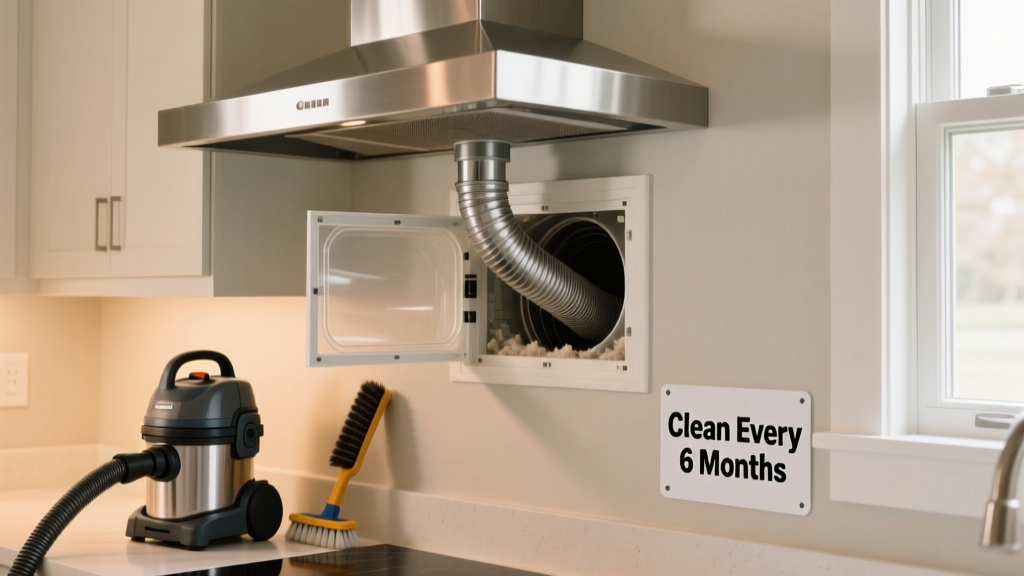
A clogged dryer vent isn’t just an annoyance—it’s a leading cause of residential fires. The U.S. Fire Administration reports that dryers ignite an estimated 15,970 home fires annually, with lint buildup cited in 27% of cases (USFA, 2022). Worse, a blocked vent forces your dryer to work harder, raising energy bills by up to 30% and cutting its lifespan by nearly half.
Why This Happens
Lint accumulation is inevitable—but rapid clogging isn’t. Three primary factors accelerate it: infrequent cleaning, flexible plastic or foil ducts (which trap lint in ridges), and long or bent vent runs that restrict airflow. Homes with laundry rooms in basements or interior closets often have 25+ feet of ductwork—well above the manufacturer-recommended 25-foot maximum for rigid metal ducts (IRC R303.3.2, 2021).
- Overloading the dryer increases lint volume per cycle
- Using fabric softener sheets coats lint with waxy residue, making it stickier
- Outdoor vent flaps that freeze shut in winter force exhaust backward into the duct
Maintenance Checklist
| Frequency | Task | Time Required |
|---|---|---|
| Daily | Remove and clean lint screen before every load | 30 seconds |
| Weekly | Vacuum around lint screen housing with narrow nozzle | 2 minutes |
| Monthly | Inspect outdoor vent flap for obstructions; check for bird nests or paint overspray | 5 minutes |
| Yearly | Professional cleaning of full duct run (or DIY with 10-ft brush kit) | 45–90 minutes |
Warning Signs
If you notice any of these, act within 48 hours—even if your lint screen looks clean:
- Clothes take more than one cycle to dry
- Dryer drum or exterior cabinet feels unusually hot
- Burning smell during operation
- Excessive lint on the screen despite light loads
- Moisture or condensation on windows near the laundry area
Recommended Products
Not all tools deliver equal results. Prioritize rigid aluminum ducts over flexible plastic. Use only UL-listed components—and avoid tape or screws that create internal seams where lint collects.
- Rigid metal ducting: 4-inch diameter, smooth interior (e.g., Master Flow or Ventis)
- Lint trap brushes: 10-ft nylon-coated rods with rotating heads (like Holman or Gardena)
- Outdoor vent covers: Spring-loaded, louvered models rated for high wind and snow (e.g., Deflecto DV-4)
Can I use a leaf blower to clear my dryer vent?
No—pressure from a leaf blower can dislodge lint deeper into bends or damage fragile duct joints. It may also blow debris into your dryer’s internal motor compartment. According to the National Fire Protection Association’s Fire Prevention in the Home (2023), forced-air methods increase risk of ignition if lint ignites mid-clearing.
How often should I replace my dryer vent hose?
Rigid metal ducts last 10–15 years if installed correctly. Flexible aluminum hoses need replacement every 3–5 years due to creasing and corrosion. Never reuse plastic or foil ducts—they’re banned under IRC code for new installations and fail inspection in 92% of home energy audits (RESNET Standard 301, 2022).
Does cleaning the lint screen really make a difference?
Absolutely. A clogged screen reduces airflow by up to 75%, forcing heat and moisture back into the duct. The U.S. EPA estimates that 40% of dryer-related energy waste stems from skipped lint screen cleaning (Energy Star Appliance Maintenance Guide, 2021). Wipe the screen with warm soapy water monthly to remove fabric softener residue.
What’s the safest way to clean behind the dryer?
Unplug the unit first. Pull it out carefully—never yank cords. Use a flashlight and shop vac with crevice tool to suction dust and lint from the rear housing and floor gap. Keep at least 6 inches of clearance behind the dryer for airflow and service access (per GE and Whirlpool installation manuals).
Do dryer vent cleaning services really work?
Yes—if certified. Look for NADCA-certified technicians who use video inspection scopes and torque-controlled rotary brushes. Avoid $99 “blow-out” specials: the Chimney Safety Institute of America found 68% of those services miss 40% or more of lint in horizontal duct sections (CSIA Dryer Vent Report, 2022). Always request before-and-after photos.
"A dryer vent cleaned once a year isn't enough if your household does 8+ loads weekly. High-use homes need professional cleaning every 6 months—or quarterly if you dry pet bedding or athletic wear." — Mike Torres, NADCA-certified dryer vent inspector since 2009
Preventing clogs starts with consistency—not crisis response. Pair your routine with a dryer vent inspection checklist and upgrade to rigid ducting during your next remodel. For long-term safety, add a smart dryer sensor that alerts you when airflow drops below safe thresholds. And if you’ve gone more than 18 months without a full duct cleaning, schedule one now—your insurance provider may even offer a discount for documented preventive maintenance.