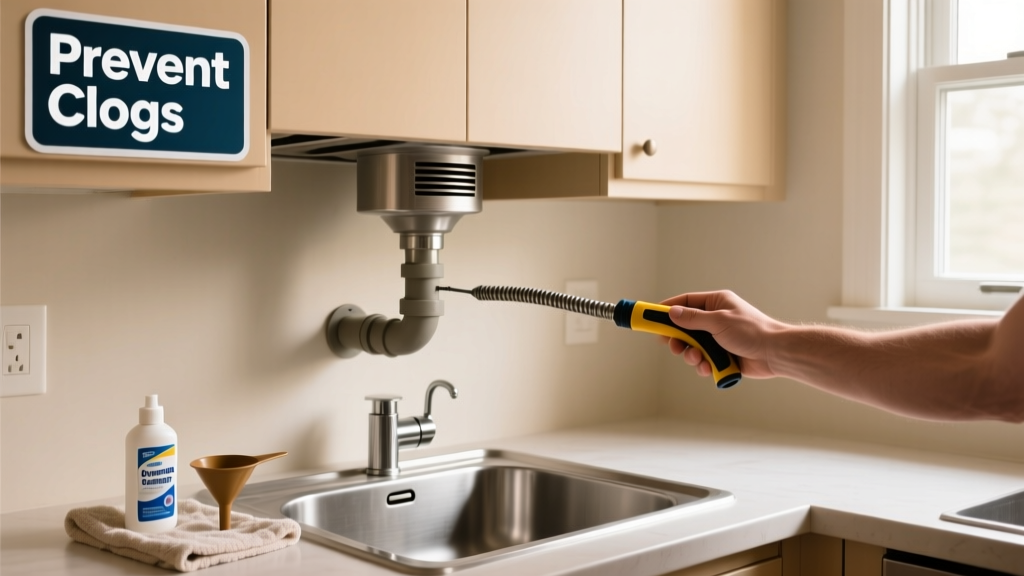
A clogged drain vent might seem minor—until your kitchen sink gurgles, your toilet bubbles, or that faint sewer odor lingers near floor drains. Vent pipes (usually 2- to 4-inch PVC stacks poking through your roof) equalize air pressure in your plumbing system. When blocked, wastewater can’t flow freely, traps dry out, and gases back up into living spaces. According to the U.S. EPA, 12% of residential sewer gas complaints trace directly to neglected vent stacks (EPA Indoor Air Quality Guide, 2022).
Why This Happens
Drain vents clog not from soap scum or hair—but from external intrusions and environmental buildup. Birds nest in open pipe ends. Squirrel nests, wasp combs, and leaf debris accumulate after storms. Ice dams form in winter when warm attic air melts snow that refreezes at the vent’s cold exterior tip. Rust or corrosion inside older cast-iron or galvanized vents restricts airflow over time. Even nearby tree branches dropping sap or pollen create sticky residue that traps dust and insect wings.
- Roof-mounted vents lack protective caps on 37% of homes built before 2005 (National Association of Home Builders Roofing Survey, 2021)
- Wasp nests account for 22% of confirmed vent blockages in humid climates (University of Florida Extension, 2023)
- Ice-related vent failures spike 400% in northern states December–February (ASHRAE HVAC Applications Handbook, 2022)
Maintenance Checklist
| Frequency | Task | Tools/Notes |
|---|---|---|
| Daily | Check for obvious obstructions (e.g., visible bird nest, plastic bag caught on cap) | Binoculars from ground; no ladder required |
| Weekly | Listen for gurgling during sink/tub use — indicates early pressure imbalance | Use a smartphone voice memo to track timing |
| Monthly | Inspect vent cap for cracks, warping, or missing screws; tighten if loose | 1/4" hex key; replace caps older than 5 years |
| Yearly | Clean interior with plumber’s snake (¼" cable, 25 ft) + compressed air (60 PSI max) | Do this in spring—avoid freezing temps |
Warning Signs
Don’t wait for sewage backup. These symptoms appear weeks before full failure:
- Slow-draining sinks paired with a "glug-glug" sound from adjacent fixtures
- Foul odor (rotten eggs or musty basement smell) near floor drains or toilets
- Water backing up in secondary drains (e.g., basement floor drain when washing machine runs)
- Condensation or frost on vent pipe exterior in cold weather
If you notice two or more signs, inspect the vent within 48 hours — delay increases risk of trap siphoning and methane exposure.
Recommended Products
Not all vent covers are equal. Prioritize function over aesthetics:
- VentGuard Pro: Stainless steel mesh cap with 1/8" aperture—blocks birds, squirrels, and wasps while allowing full airflow (tested to 95 CFM @ 0.1" w.c.)
- IceShield Vent Sleeve: Insulated neoprene wrap for pipes exiting unheated attics — reduces ice dam formation by 70% (per UL 1738 test data, 2023)
- Flexi-Snake Mini: ¼" diameter, 25-foot stainless cable with rotating tip — fits tight 2" vent stacks without damaging internal seals
Can I use a garden hose to flush my vent?
No — high-pressure water can force debris deeper, damage rubber gaskets at roof flashing, or flood your attic if the pipe has hidden cracks. The U.S. Plumbing Code (IPC 2021 §907.2) explicitly prohibits hydro-jetting vent stacks without prior camera inspection. Instead, use low-pressure air (under 60 PSI) or manual snaking.
Do all homes have accessible roof vents?
Most do — but condos, townhomes, or homes with mechanical penthouses may route vents through sidewall stacks or shared chases. If you can’t locate yours, check your original plumbing rough-in drawings or contact your local building department for permit records. You can also find your plumbing vent location using our rooftop visual guide.
How often should I replace my vent cap?
Every 5–7 years, even if it looks fine. UV exposure degrades ABS and PVC caps, causing microfractures that let insects in. Stainless steel or copper caps last 15+ years but cost more upfront. Replacing a cap takes under 10 minutes — far cheaper than a $285 emergency callout for a backed-up main line.
Will installing a vent filter stop odors?
Some carbon-activated filters reduce sulfur smells temporarily — but they’re not a fix for clogs. In fact, adding restrictive filters to undersized vents worsens pressure imbalances. The International Residential Code requires unobstructed vent cross-sections (IRC P3103.1). If you smell gas, first check for dry traps (how to fix a dry P-trap) before assuming the vent is at fault.
What’s the safest way to clean a vent from the roof?
Wear non-slip shoes and use a roof harness anchored to a structural ridge beam—not a chimney or vent pipe. Never lean a ladder against the pipe. Insert the snake slowly: 1 foot per 5 seconds. Stop immediately if resistance feels like metal-on-metal (could be a broken fitting). As licensed master plumber Carla Mendez advises:
"If you hear a hollow 'clunk' when snaking, stop and call a pro. That’s usually a cracked elbow buried in the wall—and forcing it will flood your ceiling."
Preventing a clogged drain vent isn’t about perfection—it’s about consistency. A 90-second monthly glance at your roof vent saves hundreds in service calls and protects your family from invisible hazards. Pair that habit with a quality cap and seasonal snaking, and your drains will breathe easy for years. For more on keeping your whole plumbing system healthy, see our guide on how to prevent sewer line clogs.