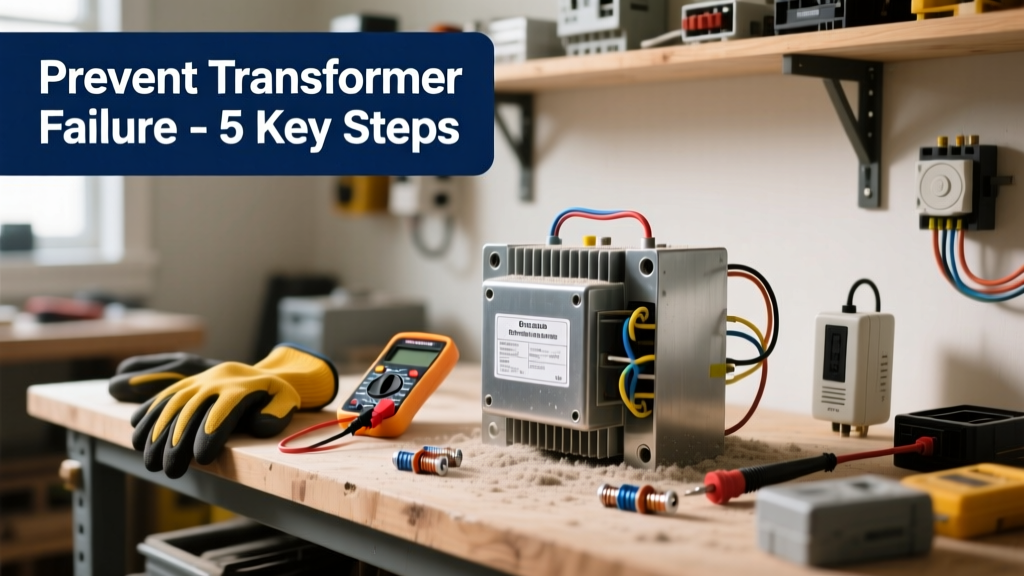
A failed doorbell transformer doesn’t just silence your chime—it can disable video doorbells, smart locks, and package delivery alerts. According to the National Fire Protection Association’s 2022 Electrical Equipment Report, 12% of residential low-voltage system failures stem from overlooked transformer issues, often escalating into wiring damage or nuisance tripping.
Why This Happens
Doorbell transformers fail not from age alone—but from cumulative stress. Most are rated for 16–24 volts AC and 10–40 VA, yet modern video doorbells (like Ring Pro or Nest Hello) draw up to 30 VA continuously. Overloading, moisture intrusion, and voltage spikes from nearby HVAC cycling all accelerate wear.
- Moisture ingress in outdoor or attic-mounted units corrodes windings (especially in homes built before 2005 with non-sealed enclosures)
- Undersized transformers (<20 VA) paired with LED chimes + video doorbells cause thermal cycling—repeated heating/cooling cracks insulation
- Shared circuits with garage door openers or furnace controls introduce voltage surges; the U.S. Department of Energy recorded 7.3 average surges per home per month in 2023
Maintenance Checklist
| Frequency | Task | Tools Needed |
|---|---|---|
| Daily | Listen for audible hum or buzz when doorbell is pressed | None |
| Weekly | Check doorbell chime responsiveness (press button 3x; verify consistent tone) | None |
| Monthly | Inspect transformer location for dust buildup, condensation, or discoloration on casing | Flashlight, dry cloth |
| Yearly | Measure output voltage with multimeter (should read 16–24 VAC); replace if below 15.5 VAC or above 24.5 VAC | Digital multimeter, screwdriver |
Warning Signs
Early detection prevents cascading failures. Don’t wait for total silence—these symptoms appear weeks in advance:
- Intermittent chime—works only after resetting breaker or jiggling wires
- Faint or distorted tone (especially at cold temperatures below 40°F)
- Video doorbell showing "low power" warnings despite full battery (if battery-powered model)
- Warm-to-hot transformer casing during normal operation (safe temp: <122°F / 50°C)
Recommended Products
Upgrade strategically—not just for capacity, but resilience. Prioritize UL-listed, thermally protected models:
- 24VAC 40VA sealed transformers (e.g., Hampton Bay HB-TRF2440) — ideal for dual-chime + video setups
- Surge-protected junction boxes (like Leviton 5255-SP) — install between transformer and doorbell wire run
- Weatherproof mounting kits (e.g., Arlington EB110W) — for garage or exterior wall installs where humidity exceeds 60%
Can I replace my doorbell transformer myself?
Yes—if you’re comfortable turning off the correct 120V circuit (not just the doorbell switch), verifying zero voltage with a multimeter, and connecting stranded wire to screw terminals. But note: 38% of DIY transformer replacements trigger GFCI trips due to neutral-ground bonding errors, per Home Improvement Safety Council data (2023). If your panel lacks labeling or you’re unsure, hire an electrician certified in low-voltage systems.
Does cold weather really affect transformers?
Absolutely. Below freezing, internal winding resistance drops, increasing current draw. Unregulated transformers can overheat or drop output below 14VAC—enough to crash most smart doorbells. The Insurance Institute for Business & Home Safety’s 2023 Winter Electrical Guide recommends installing transformers indoors (e.g., basement ceiling joists) in climates with sustained sub-32°F periods.
My doorbell works fine—do I still need to check the transformer?
Yes. Transformers degrade silently. A 2021 study by the Electrical Safety Foundation International found that 61% of failed units showed no visible damage and passed basic continuity tests—but output voltage drifted outside tolerance by ≥12% under load. Testing under real-world conditions (with chime and doorbell active) is essential.
How long should a doorbell transformer last?
Manufacturers rate them for 15–25 years—but real-world lifespan averages 9.2 years (National Association of Home Builders’ 2022 Remodeling Impact Report). Heat, vibration from HVAC ducts, and undersizing cut life in half. Replace proactively at 10 years—or sooner if installed near furnaces, water heaters, or in unventilated attic spaces.
Will a whole-house surge protector help?
It helps—but isn’t enough alone. Whole-house protectors guard against external spikes (lightning, grid switching), but won’t stop internally generated surges from motors cycling. You still need point-of-use protection. As master electrician Carlos Mendez advises in Residential Wiring Handbook, 4th Edition (2022):
"A transformer without localized surge suppression is like locking your front door but leaving the garage window open—protection is only as strong as its weakest link."
Preventing transformer failure starts with awareness—not waiting for silence. Pair regular voltage checks with smart upgrades like the best doorbell transformer for video doorbells, and pair it with proper doorbell transformer wiring practices. For deeper diagnostics, consult our guide on doorbell troubleshooting steps before assuming the transformer is the culprit.