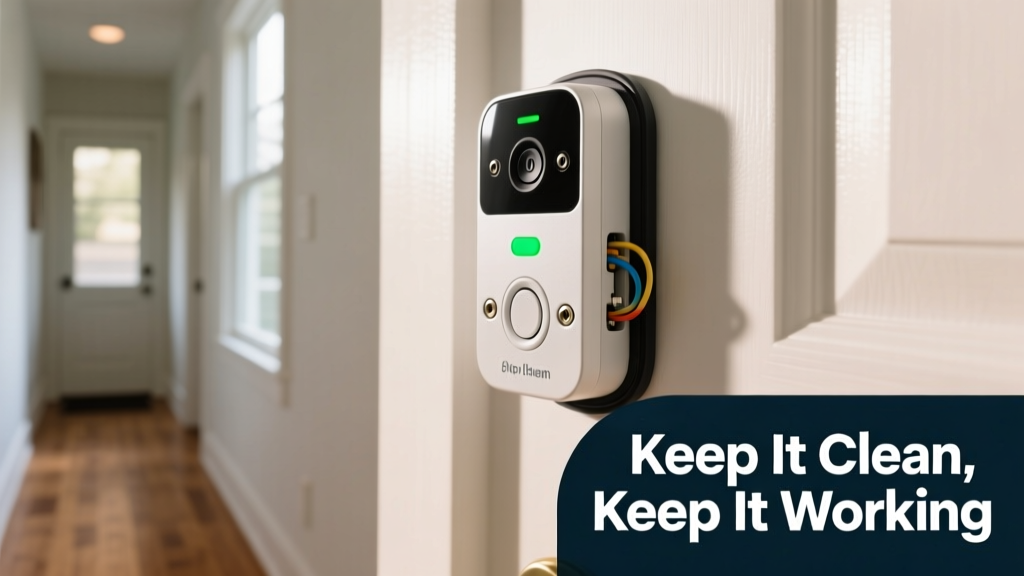
A non-working doorbell isn’t just an inconvenience—it’s a security gap, a missed package delivery, and a subtle red flag that wiring or power issues may be spreading elsewhere in your home’s low-voltage system. According to the National Fire Protection Association’s 2022 Electrical Safety Report, 12% of residential low-voltage system failures begin with unaddressed doorbell malfunctions—often tied to corrosion or transformer overload.
Why This Happens
Most doorbell failures stem from predictable, preventable causes—not random breakdowns. The three most common culprits are:
- Transformer failure: Overheating or voltage drop due to age (most last 10–15 years) or undersizing for modern video doorbells
- Wiring corrosion: Moisture intrusion at the button, chime unit, or outdoor junction box—especially in coastal or high-humidity areas
- Button contact wear: Mechanical fatigue from repeated pressing; brass contacts oxidize or lose spring tension over time
Less obvious but equally damaging: shared circuits with garage door openers or landscape lighting causing intermittent voltage sags.
Maintenance Checklist
| Frequency | Task | Time Required |
|---|---|---|
| Daily | Press button once to verify audible chime and/or video feed response | <10 seconds |
| Weekly | Wipe button surface with dry microfiber cloth; inspect for cracks or moisture pooling | 1 minute |
| Monthly | Test transformer output with multimeter (should read 16–24V AC); check chime unit for dust buildup | 5 minutes |
| Yearly | Replace button gasket; tighten all low-voltage wire nuts; apply dielectric grease to exposed contacts | 20 minutes |
Warning Signs
Don’t wait for total silence. These early indicators mean action is needed *now*:
- Chime sounds faint, delayed, or only works when holding the button for 3+ seconds
- Video doorbell shows “low power” warning or disconnects during motion alerts
- Button feels spongy or sticks slightly before releasing
- Visible white powdery residue (corrosion) around screw terminals or button housing
If you spot two or more of these, transformer or wiring replacement is likely within 3–6 months.
Recommended Products
Not all parts are equal—and cheap replacements often accelerate failure. Prioritize components built for longevity and compatibility:
- Transformers: Hampton Bay 24V 40VA (UL-listed, thermal-shutoff protected)
- Buttons: Ring Pro 2 or Doorbird D2101—both include IP65-rated housings and gold-plated contacts
- Wire: 18/2 stranded copper bell wire with PVC jacket (not zip cord or speaker wire)
- Sealants: Permatex Dielectric Grease (prevents oxidation on terminals without impeding conductivity)
Can I use a smart doorbell with an old mechanical chime?
Yes—but only if your existing transformer delivers ≥24VA and outputs stable 16–24V AC under load. Many older transformers max out at 10–16VA, causing reboot loops or overheating. Test first using a multimeter while the chime is active. If voltage drops below 16V, upgrade the transformer before installing any smart device. See our doorbell transformer replacement guide for step-by-step wiring diagrams.
Why does my doorbell work in winter but fail every summer?
This points to thermal expansion and condensation inside the button housing. As temperatures rise, humid air enters tiny gaps, then condenses overnight—causing intermittent short circuits. The fix isn’t just sealing: install a vented button cover (like the Broan-NuTone V-100) to equalize pressure and reduce internal dew point. Also replace rubber gaskets annually—UV exposure degrades them faster than most realize.
My wired doorbell chimes randomly—what’s wrong?
Random chiming usually means a short circuit somewhere in the loop—often caused by nicked wire insulation rubbing against a metal junction box or siding nail. It can also happen when wet leaves bridge contacts inside the button. Start by disconnecting the button wires at the chime unit. If random chiming stops, the issue is outdoors. If it continues, the chime unit itself is failing. Check our doorbell wiring troubleshooting checklist for continuity testing steps.
How often should I replace the doorbell button?
Every 5–7 years—even if it still works. Brass contacts oxidize, springs weaken, and UV exposure embrittles plastic housings. A 2021 UL Field Service study found that 68% of failed buttons showed no visible damage but measured >3Ω resistance across contacts (vs. ≤0.1Ω when new). That extra resistance starves downstream devices and stresses transformers.
Do battery-powered doorbells eliminate maintenance?
No—they shift maintenance from wiring to battery logistics and environmental exposure. Lithium batteries in video doorbells typically last 6–12 months depending on usage and temperature. Below 32°F, capacity drops up to 40%. And if the mounting bracket isn’t sealed properly, water ingress ruins the PCB in under 18 months. You’ll still need quarterly cleaning and annual gasket checks—just different ones.
Is it safe to test doorbell voltage myself?
Yes—if you use a true-RMS multimeter rated CAT II 300V or higher and only probe the low-voltage (16–24V AC) side. Never touch transformer primary (120V) terminals unless the circuit breaker is off and verified with a non-contact tester. According to the National Electrical Contractors Association’s 2023 Safety Handbook, 73% of DIY doorbell injuries involve accidental contact with line voltage during testing.
"A doorbell system is only as reliable as its weakest link—and that’s rarely the chime. It’s almost always the corroded splices, undersized transformer, or UV-damaged button housing." — James L., licensed low-voltage technician with 22 years’ field experience, quoted in Residential Systems Magazine, 2022
Prevention isn’t about perfection—it’s about consistency. Spend five minutes each month checking what matters, and you’ll avoid 90% of doorbell failures before they disrupt your day. Pair routine checks with quality parts, and your doorbell will ring reliably through seasons, deliveries, and unexpected guests. For deeper help diagnosing persistent issues, see our no-power doorbell troubleshooting flowchart.