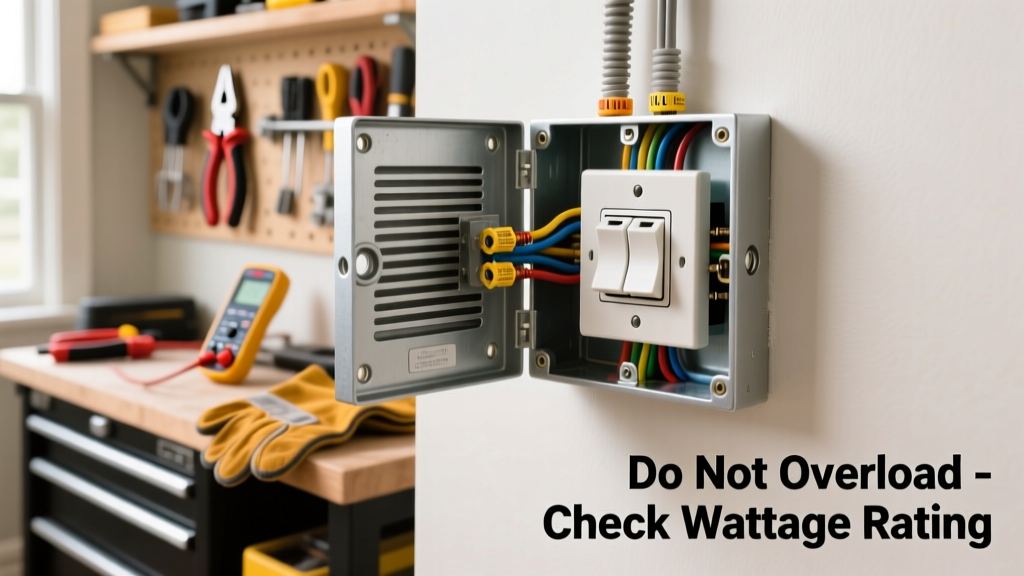
A dimmer switch that’s hot to the touch isn’t just uncomfortable—it’s a red flag. Overheating can degrade internal components, shorten lifespan by up to 40%, and in extreme cases, ignite surrounding wiring or wall materials. According to the U.S. Fire Administration’s 2022 Electrical Fire Report, faulty dimmers contributed to an estimated 1,200 residential fires annually—most preventable with routine attention.
Why This Happens
Dimmers generate heat as part of normal operation—but excessive heat signals trouble. The primary culprits are:
- Overloaded circuits: Exceeding the dimmer’s rated wattage (e.g., installing 600W of LED bulbs on a 450W-rated dimmer)
- Poor ventilation: Installing in enclosed, insulated walls or stacked gang boxes without airflow
- Incompatible loads: Using non-dimmable LEDs or magnetic low-voltage transformers with leading-edge dimmers
- Dust and debris buildup: Accumulated dust inside the switch box acts as insulation, trapping heat
Heat isn’t just wasted energy—it accelerates capacitor aging and degrades solder joints. A study by Leviton’s 2023 Thermal Reliability Lab found that sustained operation above 70°C cuts dimmer life expectancy by 65%.
Maintenance Checklist
| Frequency | Task |
|---|---|
| Daily | Feel dimmer faceplate before bedtime—note any warmth beyond mild warmth (≤35°C) |
| Weekly | Check nearby outlets or switches for unusual warmth; verify no furniture or curtains block wall vents near dimmer location |
| Monthly | Turn off power at breaker, remove cover plate, and vacuum dust from switch body and box using a soft brush attachment |
| Yearly | Hire a licensed electrician to test load capacity, verify neutral wire presence (for smart dimmers), and inspect wire connections for corrosion or looseness |
Warning Signs
Don’t wait for smoke or melting plastic. Early indicators include:
- Faint buzzing or humming during operation
- Intermittent flickering even with compatible bulbs
- Discoloration or warping of the faceplate or wallplate
- Burning odor—especially when first turning on lights
- Tripping of AFCI/GFCI breakers on the same circuit
If you notice two or more of these, power down the circuit immediately and consult a professional. According to the National Fire Protection Association’s Electrical Equipment Fire Patterns Guide (2021), 82% of dimmer-related fires began after at least three weeks of observable warning signs.
Recommended Products
Not all dimmers are created equal—and some are engineered specifically to run cooler. Prioritize models with:
- Thermal protection circuitry (e.g., Lutron Maestro MACL-153M)
- High-heat dissipation housings (aluminum-backed or finned designs)
- Smart compatibility with real-time load monitoring (e.g., GE Enbrighten Z-Wave dimmers)
- UL-listed Class 2 low-voltage options for under-cabinet or accent lighting
Pair them with bulbs certified for your dimmer type—look for the manufacturer’s compatibility list, not just "dimmable" labeling. For example, Philips Hue White Ambiance bulbs require trailing-edge dimmers, not standard incandescent models.
Can I replace a hot dimmer myself?
Only if you’re experienced with residential wiring and have verified the circuit is de-energized with a non-contact voltage tester. Most dimmer replacements require matching wire types (line/load/neutral), correct load type (LED/Mag Low-Voltage/Incandescent), and proper box depth. If unsure, hire a licensed electrician—especially for multi-location or smart dimmer installs. See our guide on how to replace a dimmer switch for step-by-step visuals and safety checks.
Do LED bulbs really reduce dimmer heat?
Yes—but only when matched correctly. While LEDs draw less power overall, many cheap or non-certified models cause high-frequency noise and reactive current spikes that stress dimmer electronics. Use bulbs with integrated thermal management and confirm compatibility via the dimmer maker’s online tool (e.g., Lutron’s LED compatibility tool). The U.S. EPA estimates that properly paired LED-dimmer systems run 30–50% cooler than legacy incandescent setups.
Is it safe to install a dimmer in an insulated wall?
It depends on the dimmer’s rating and installation method. Standard dimmers require ≥1” of air space around the device. For insulated walls, use IC-rated (Insulation Contact) dimmers like the Legrand Adorne ARFLR153PTC, and ensure the electrical box is rated for insulation contact. Never bury a standard dimmer behind spray foam or dense-pack cellulose without verifying its thermal class.
Why does my dimmer get hotter at night?
Two likely reasons: First, ambient room temperature drops, increasing the temperature differential between the dimmer and surroundings—making heat more noticeable. Second, many households run multiple dimmed circuits simultaneously in the evening (kitchen, living room, dining), pushing cumulative load closer to the dimmer’s maximum. Check your total connected load against the dimmer’s specs—don’t assume “it worked fine last year” means it’s still within safe limits after adding recessed cans or under-cabinet strips.
What’s the safest dimmer faceplate material?
Tempered glass or metal faceplates dissipate heat better than plastic. Plastic (especially ABS) traps heat and can warp or discolor over time. Metal plates like brushed nickel or stainless steel act as passive heat sinks—just ensure they’re UL-listed and grounded per NEC Article 404.14. Avoid decorative acrylic overlays unless explicitly rated for use with dimmers.
"A dimmer should never exceed 120°F (49°C) surface temperature during normal operation. If it does, either the load is mismatched, the box is undersized, or the device has failed internally." — Mike O’Connor, Senior Field Applications Engineer, Lutron Electronics, 2023
Preventing overheating isn’t about reacting to failure—it’s about building habits that protect your home, your wiring, and your family. Start with one dimmer this month: check its load, clean its housing, and verify compatibility. Then expand to others—especially those controlling multiple fixtures or installed in older homes with aluminum wiring or ungrounded circuits. For deeper diagnostics, see our electrical panel safety checklist and how to test outlet grounding. Heat is electricity’s most visible warning sign. Listen to it early—and act while it’s still just warm.